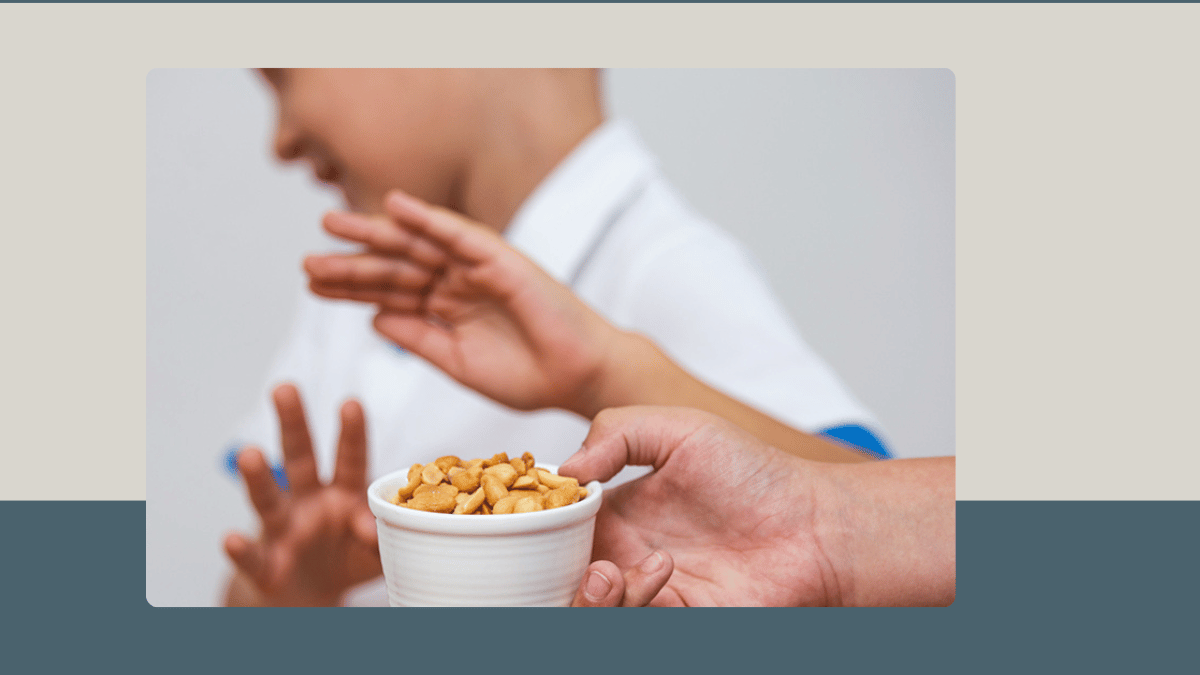
Food and drug allergy in children are two of the most anxiety-producing diagnoses a paediatrician can make, and two of the most frequently made inaccurately. In my practice as a Consultant Paediatrician and Allergy Asthma Specialist at Imayam Speciality Hospital, Namakkal, with AAAIC training and co-authorship of a practice parameter on allergy skin prick testing, I see both ends of this problem: families who have been told their child has a food allergy that was never formally established, and families who have not been told their child has one despite a clear clinical history that should have prompted evaluation and emergency preparedness. The distinction between a true IgE-mediated food allergy and a food intolerance or adverse food reaction matters enormously. It determines whether the child needs to carry an adrenaline auto-injector, whether the allergy is likely to resolve with age, and how strictly avoidance needs to be maintained. Getting this right requires a detailed clinical history and appropriate allergy testing, not a presumption in either direction.
Food Allergy in Tamil Nadu Children: What the Local Context Adds
In Tamil Nadu, the food allergen profile in children includes the globally common allergens alongside specific local dietary patterns that make some allergens more clinically significant here than in other Indian states. Cow's milk and egg are the most prevalent food allergens in infants and young children everywhere, and this is true in Namakkal and across Tamil Nadu. Fish allergy is particularly relevant in Tamil Nadu because fish forms a central and frequent part of the diet from early childhood, and the wide variety of fish species consumed across the coastal and inland districts means that sensitisation patterns can vary: a child allergic to one fish species may or may not react to another, and this requires individual assessment. Sesame, increasingly used in Tamil Nadu cooking and in commercial baked goods, is an emerging paediatric allergen of clinical significance. Legumes, including groundnut and specific lentil species prominent in South Indian cooking, contribute to the food allergy picture in the younger age group. The specific foods that are most central to a family's daily cooking are also the ones where confirmed allergy creates the greatest practical burden, which is why the management conversation at Imayam Speciality Hospital, Namakkal, always includes a practical dietary plan that is both safe and realistic for Tamil Nadu households.
Anaphylaxis Risk, Emergency Planning, and the Drug Allergy Label That Follows a Child for Life
Anaphylaxis, the severe and potentially life-threatening systemic allergic reaction, is the clinical endpoint that food allergy management is designed to prevent. A child with a confirmed IgE-mediated food allergy at anaphylaxis risk must have three things in place at all times: a written anaphylaxis action plan that names the trigger, describes the early warning signs, and gives step-by-step instructions for the emergency response; a prescribed adrenaline auto-injector carried by the child or their carer at all times; and training for parents, school staff, and any regular caregiver in recognising anaphylaxis and using the auto-injector correctly. In my allergy practice at Imayam Speciality Hospital, every child I diagnose with confirmed food allergy at anaphylaxis risk leaves with all three, and the training is repeated at every annual allergy review as the child grows and their care transitions gradually to self-management. Drug allergy in children presents a different clinical problem. The majority of children who carry an antibiotic allergy label, most commonly to amoxicillin or penicillin, acquired it from a rash that occurred during a viral infection being treated with the antibiotic. The rash was viral. The antibiotic was innocent. But the label was attached, and it follows the child into every subsequent medical encounter, restricting future antibiotic choices, driving use of broader-spectrum agents with higher side effects, and contributing to antibiotic resistance. My AAAIC training and co-authored allergy skin prick test practice parameter reflect a rigorous approach to allergy evaluation that applies directly here: structured clinical history of the original reaction, assessment of whether features indicate true IgE-mediated allergy or a coincidental viral rash, and where appropriate, a graded drug provocation challenge under medical supervision to establish whether the label is accurate. When it is not, it is safely removed, restoring the child's full antibiotic access for the rest of their life.
To book a paediatric allergy consultation with Dr. Abinaya at Imayam Speciality Hospital, 194, Tiruchengode-Namakkal-Trichy Road, near Pillaiyar Kovil, R.P Pudur, Namakkal, Tamil Nadu 637001 (Monday to Saturday, 10:00 AM to 2:00 PM and 6:00 PM to 9:00 PM), call +91 7373097759.
Written by Dr. Abinaya, MBBS, MD Pediatrics (Gold Medal), AASS (Allergy and Asthma Specialist Course, Medtrain), AAAIC (Advanced Allergy, Asthma and Clinical Immunology Course, Medtrain), PGPN (Post Graduate Programme in Nutrition, Boston), Consultant Paediatrician and Allergy Asthma Specialist, Imayam Speciality Hospital, 194, Tiruchengode-Namakkal-Trichy Road, near Pillaiyar Kovil, R.P Pudur, Namakkal, Tamil Nadu 637001. Monday to Saturday, 10:00 AM to 2:00 PM and 6:00 PM to 9:00 PM. 14+ years. 10,000+ patients. Phone: +91 7373097759.
Related reading
Meet Dr. Abinaya: Specialist Paediatric Care for Allergy, Asthma, and Every Stage of Childhood


Add a Comment