







Dr Abinaya

Dr Abinaya

Consultant Pediatrician

MBBS, MD (Pediatrics) Gold medal, Allergy & Asthma fellow

14+ Years of experience

10,000+ Patients cared

14+ Years of experience

10,000+ Patients cared

LinQ Card

About Dr Abinaya

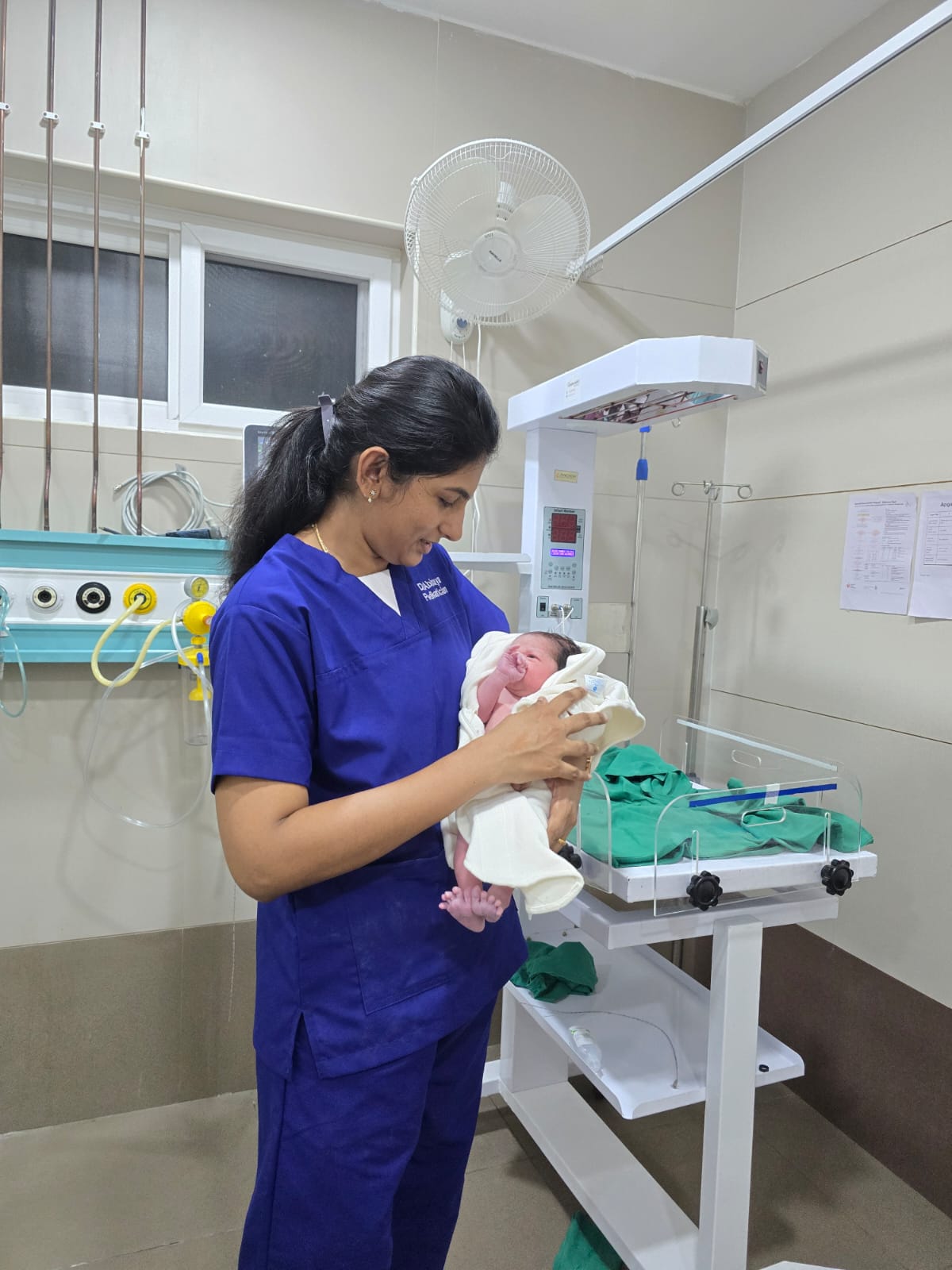
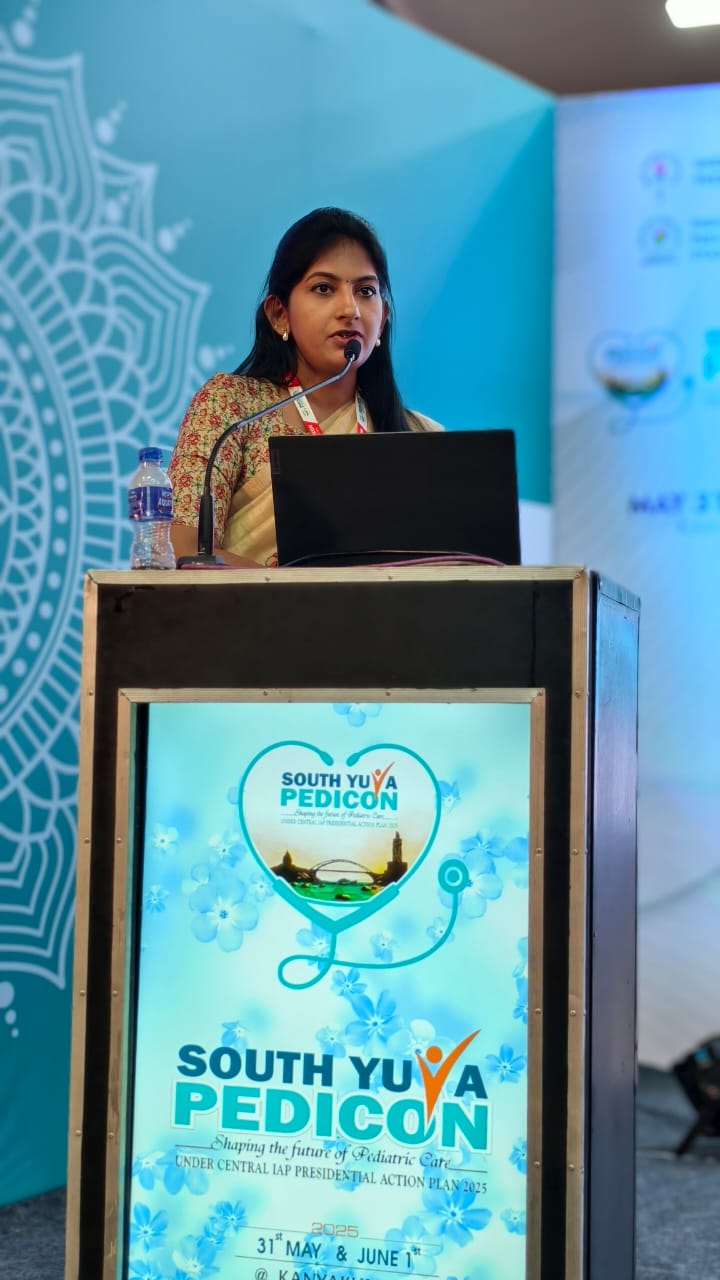
Dr. Abinaya is a highly experienced Pediatrician with 14+ years of dedicated clinical practice, specialising in providing comprehensive medical care to newborns, infants, children, and adolescents. Holding qualifications of MBBS and MD Pediatrics, Dr. Abinaya is committed to fostering healthy growth and development in young patients. Her expertise encompasses General Paediatrics, specialised Newborn & Neonatal Care for both healthy and high-risk infants, and meticulous Growth & Development Monitoring to identify concerns early. Dr. Abinaya also treats conditions such as Allergy and Asthma. Practising primarily in Tamil Nadu and also serving patients in Andhra Pradesh, she ensures continuous and personalised care. Dr. Abinaya is fluent in English, ensuring clear communication with families.


Dr Abinaya is a dedicated Pediatrician, specializing in the comprehensive health and well-being of children from infancy through adolescence. Her expertise in Pediatrics means she is committed to providing compassionate care, addressing everything from routine check-ups and vaccinations to managing childhood illnesses and developmental concerns. Families can trust Dr Abinaya to support their child's healthy growth and development.


Dr Abinaya's Areas of expertise

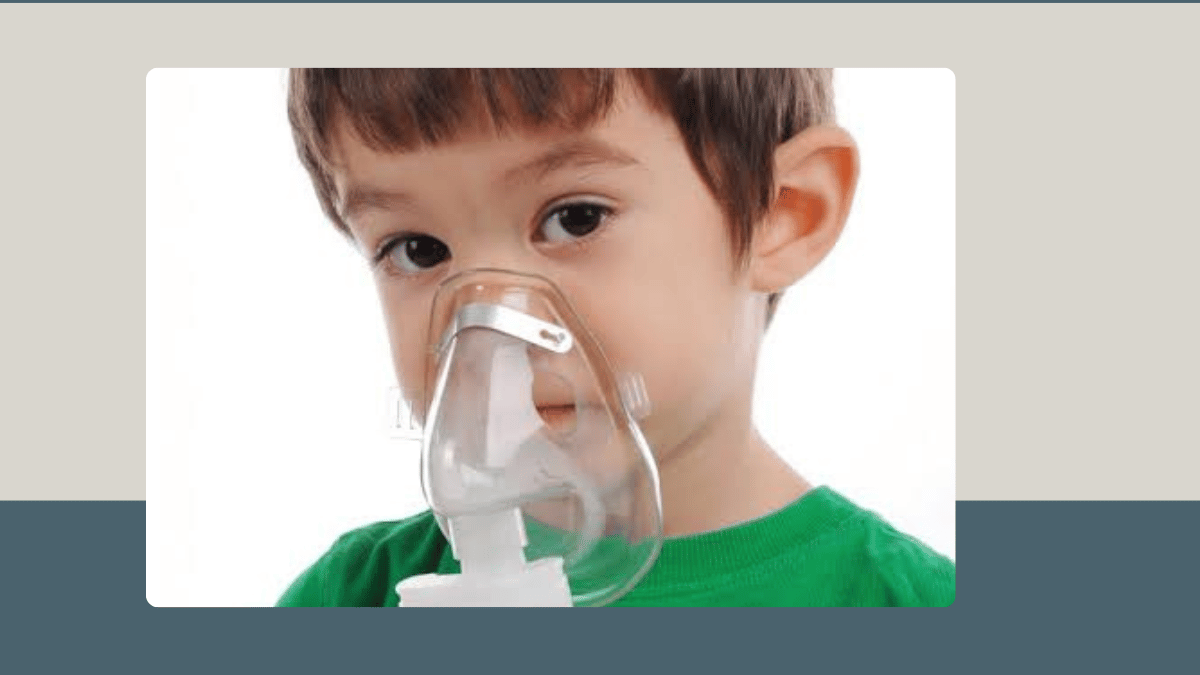
  • Asthma Care – Comprehensive evaluation, diagnosis, and personalized management of asthma to improve symptom control, lung function, and quality of life.
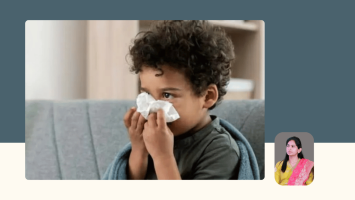
  • Allergic Rhinitis – Diagnosis and management of nasal allergies, including sneezing, nasal congestion, itching, and runny nose, using evidence-based treatment approaches.
  • Food Allergies – Comprehensive assessment, diagnosis, and management of food allergies, including identification of triggers, dietary guidance, and prevention of allergic reactions.
  • Evaluation of the magnitude and determinants of treatment lag in West syndrome and its effect on short-term response of adrenocorticotrophic hormone or steroid therapy - 2016
  • Magnitude, determinants, and impact of treatment lag in West syndrome: A prospective observational study
  • Practice Parameter: Clinical Guidelines for Allergy Skin Prick Test
     
  • MBBS - kelpakan Medical college, 2096-12
  • MD (pediatrics), PG1, chandigarh
  • AASS - Medtrain
  • AAAIC - Medtrain
  • PGPN (BOSTON)

Book Appointment

194, Tiruchengode - Namakkal - Trichy Rd, near Pillaiyar Kovil, R.P Pudur, Namakkal, Tamil Nadu 637001

Clinic Hours:
  • Monday - Saturday 10:00 AM - 02:00 PM 06:00 PM - 09:00 PM
Contact:


Patient Reviews

Dr. Abinaya Mathankumar- Pediatrician & Allergy Asthma specialist in Namakkal

Google ★ ★ ★ ★ ★ 4.9/5 (291 reviews)
AI

AI Summary

5 reviews • 5★

Loading...
Shermily Muralidharan

Shermily Muralidharan

a year ago

★ ★ ★ ★ ★
I moved to namakkal recently. I have been consulting Abinaya mam for the past two months for my 1 year kid. She is very friendly and gives quality treatment. Responds well to our doubts. The hospital atmosphere is also good and hygienic. One of the best pediatrician in Namakkal.
Shri Shankari

Shri Shankari

2 years ago

★ ★ ★ ★ ★
Dr.Abhinaya was very helpful to me and my newborn daughter when we started our treatments to her. She is my daughter's pediatrician as well as my lactation consultant. She helped me with lactation issues and guided me on how to intake correct diet food so that I can give healthy milk to my baby. She
poorani rajmohan

poorani rajmohan

4 years ago

★ ★ ★ ★ ★
Hello everyone... Dr. Abinaya is my go to pediatrician for my one year old baby. I have been consulting her for my son from the day he was born. She is so patient and very comfortable to talk to. One can get her consultation without any second thought. And being a lactation consultant, she helped me
Ajitha Balasubramaniam

Ajitha Balasubramaniam

4 years ago

★ ★ ★ ★ ★
Dr. Abinaya Mathankumar is incredible.. She is lovely to speak with at every appointment. She explains everything clearly and patiently.. I travel nearly 40kms to see her.. she is a great pediatrician and lactation counselor..I personally recommended her to many of my friends and family members. The
Dharshini Venugopal

Dharshini Venugopal

2 years ago

★ ★ ★ ★ ★
I visited Dr. Abi with my baby boy, and I couldn't be more satisfied with the care we received. Dr.Abi is not only highly knowledgeable but also incredibly attentive and compassionate. I consulted her for my Lactation and She took the time to listen to my concerns and provided valuable insights and

Conditions and Treatments

 Allergic Rhinitis in Children
Allergic Rhinitis in Children

Allergic rhinitis is one of the most prevalent chronic conditions in children, producing persistent sneezing, nasal congestion, runny nose, and itchy watery eyes that recur in response to specific allergens rather than resolving like a cold. In Tamil Nadu, house dust mite sensitisation is the dominant perennial trigger, meaning symptoms are year-round and worst in the bedroom environment where exposure is highest. Dr. Abinaya provides comprehensive evaluation and management of allergic rhinitis in children and adolescents across Tamil Nadu and Andhra Pradesh, beginning with a systematic clinical history that distinguishes allergic from non-allergic causes, identifies the pattern of triggers, and assesses whether comorbid asthma is present - since allergic rhinitis and asthma represent a single inflammatory disease of the unified airway and must be managed together for optimal control. Allergy testing through skin prick testing or specific IgE identifies the precise sensitising allergens. Management incorporates allergen avoidance strategies appropriate to the Tamil Nadu home environment, intranasal corticosteroid therapy with correct technique instruction, antihistamines where indicated, and allergen immunotherapy - the only treatment that modifies the underlying immune response rather than managing symptoms - for children with persistent disease not adequately controlled by pharmacotherapy alone.

Childhood Asthma
Childhood Asthma

The most consequential misunderstanding in childhood asthma management is the confusion between the controller inhaler and the reliever inhaler. A reliever bronchodilator opens airways within minutes during symptoms - it does not treat the underlying inflammation. A controller inhaled corticosteroid, taken daily even when the child feels well, reduces the airway inflammation that makes asthma symptoms recur. Most children with poorly controlled asthma are using the reliever heavily and not using the controller at all, or using it inconsistently. Dr. Abinaya manages childhood asthma through a structured approach at her Tamil Nadu practice that begins with a formal clinical assessment of symptom frequency, night waking, activity limitation, and reliever use to classify the level of control, followed by spirometry where age-appropriate to objectively measure airway function. She evaluates allergy status to identify the sensitising allergens driving airway inflammation, which is present in the majority of asthmatic children and changes the treatment approach. Inhaler technique with an age-appropriate spacer device is assessed and corrected at every visit - the most common cause of treatment failure is poor technique rather than inadequate medication. Each child receives a personalised written asthma action plan specifying their daily controller treatment, their reliever use threshold, and the criteria for seeking emergency care. Regular review monitors symptom control and steps treatment up or down accordingly.

Food Allergy and Drug Allergy in Children

Food allergy and drug allergy are both forms of immune-mediated hypersensitivity that can produce reactions ranging from mild skin rashes to life-threatening anaphylaxis. In children, food allergy - particularly to milk, egg, peanut, tree nut, and fish - typically presents in infancy or early childhood, while drug allergy most commonly presents as a reaction to antibiotics, most frequently amoxicillin or penicillin, during the treatment of an infection. Dr. Abinaya evaluates both food allergy and drug allergy in children at her Tamil Nadu practice. For food allergy, a detailed history of the specific reaction - timing, symptoms, food involved, and reproducibility - combined with skin prick testing and specific IgE measurement confirms the diagnosis and distinguishes true IgE-mediated food allergy from non-allergic adverse food reactions. For children with confirmed food allergy at anaphylaxis risk, she provides a written emergency action plan and prescribes and trains families in the use of an adrenaline auto-injector. For drug allergy, she addresses the significant problem of inaccurate drug allergy labelling - many children carry an antibiotic allergy label from a reaction during illness that was never formally evaluated and may not represent true allergy - through structured assessment that clarifies the clinical risk and, where appropriate, guides safe reintroduction under supervision.

Dr Abinaya's Expert Tips & Health Insights

Latest

Articles by Dr Abinaya

https://d2vvc091k8tmib.cloudfront.net/s3fs-public/2026-09/Childhood%20Asthma%20in%20Tamil%20Nadu.png
https://d2vvc091k8tmib.cloudfront.net/s3fs-public/2026-09/Dr%20Abinaya%20%282%29.png
By: Dr Abinaya
04 September 2026

Childhood Asthma in Tamil Nadu: Why the Right Treatment Plan Changes Everything

A Consultant Paediatrician with AASS, AAAIC, MD Pediatrics Gold Medal, and PGPN Boston explains childhood asthma at Imayam Speciality Hospital, Namakkal: why the distinction between the controller and reliever inhaler is the most important clinical message in asthma management, how Tamil Nadu's humid climate and house dust mite drive perennial allergic asthma in children, what allergy evaluation changes about the treatment plan, and what a written asthma action plan means for a child's safety.
Read More
https://d2vvc091k8tmib.cloudfront.net/s3fs-public/2026-09/Food%20and%20Drug%20Allergy%20in%20Children_0.png
https://d2vvc091k8tmib.cloudfront.net/s3fs-public/2026-09/Dr%20Abinaya%20%282%29.png
By: Dr Abinaya
04 September 2026

Food and Drug Allergy in Children: Diagnosis, Anaphylaxis Risk, and What Every Parent Needs to Know

A Consultant Paediatrician and Allergy Asthma Specialist with AAAIC, MD Pediatrics Gold Medal, and a co-authored practice parameter on allergy skin prick testing explains food and drug allergy in children: how to distinguish a true IgE-mediated food allergy from a food intolerance, what the Tamil Nadu food context means for the allergens that matter most, why every child at anaphylaxis risk needs a written emergency action plan, and how inaccurate drug allergy labels harm children's future antibiotic access, at Imayam Speciality Hospital, Namakkal.
Read More
https://d2vvc091k8tmib.cloudfront.net/s3fs-public/2026-08/Meet%20Dr.%20Abinaya%20Specialist%20Paediatric%20Care%20for%20Allergy%2C%20Asthma%2C%20and%20Every%20Stage%20of%20Childhood.png
https://d2vvc091k8tmib.cloudfront.net/s3fs-public/2026-09/Dr%20Abinaya%20%282%29.png
By: Dr Abinaya
06 August 2026

Meet Dr. Abinaya: Specialist Paediatric Care for Allergy, Asthma, and Every Stage of Childhood

Dr. Abinaya - Consultant Paediatrician and Allergy Asthma Specialist with MBBS and MD Pediatrics, dedicated to children with allergic rhinitis, asthma, and food and drug allergy in Tamil Nadu.
Read More

Frequently Asked Questions

Frequently Asked Questions

View all

My child is allergic to egg - is it safe for them to receive their flu vaccine?

This is one of the most common questions I receive from parents of children with egg allergy, and the current evidence is considerably more reassuring than many families expect. The influenza vaccine is produced using an egg-based manufacturing process and contains trace amounts of egg protein (ovalbumin). For many years, egg allergy was considered a contraindication to influenza vaccination, but extensive clinical experience and evidence have established that this concern was overstated. The current recommendation, supported by major allergy and paediatric bodies, is that children with egg allergy, including those with a history of severe allergic reactions to egg, can receive influenza vaccine safely. For children with mild egg allergy, no special precautions beyond standard post-vaccination observation are required. For children with a history of severe egg-related anaphylaxis, a 30-minute observation period after vaccination is recommended as a precaution, and the vaccination should be given in a setting equipped to manage allergic reactions. The MMR vaccine is produced in a different manufacturing system and does not require special precautions for egg allergy  -  this distinction is worth knowing because the two vaccines are sometimes confused. If you are uncertain about your child's specific situation, a pre-vaccination allergy consultation clarifies the appropriate approach for their individual history.

Written by Dr. Abinaya, MBBS, MD Pediatrics, Consultant Paediatrician, Allergy and Asthma Specialist, Tamil Nadu (also serving patients in Andhra Pradesh). Phone: +91 7373097759.

How is drug allergy in children evaluated, and can an antibiotic allergy label be removed?

Drug allergy in children is a frequently over-diagnosed condition. Studies consistently show that the large majority of children who carry an antibiotic allergy label, most often to penicillin or amoxicillin, do not have a true IgE-mediated drug allergy when formally evaluated. Many of these labels originate from a rash that occurred during a viral illness being treated with an antibiotic  -  the rash was viral, not drug-related, but the antibiotic was blamed because the timing coincided. This matters because a child carrying an inaccurate penicillin allergy label may receive less effective or broader-spectrum antibiotics for future infections for years, contributing to antibiotic resistance at a population level and sometimes to worse individual outcomes. Formal drug allergy evaluation begins with a detailed history of the original reaction  -  the specific drug, the exact nature of the rash or reaction, the timing, and what happened when the course was completed. A reaction that occurred only on the last dose, or that was urticarial and resolved fully, has a different clinical implication from a reaction involving mucosal involvement or systemic features. Where the history supports low to moderate risk, graded drug provocation challenge under medical supervision can establish definitively whether the allergy label is accurate. When it is not, the label can be safely removed and the child can receive first-line antibiotics in future.

Written by Dr. Abinaya, MBBS, MD Pediatrics, Consultant Paediatrician, Allergy and Asthma Specialist, Tamil Nadu (also serving patients in Andhra Pradesh). Phone: +91 7373097759.

What is the difference between a controller inhaler and a reliever inhaler for asthma?

The distinction between the controller and reliever inhaler is the most important thing I explain to every family of a child with asthma, because the confusion between the two is the single most common cause of poor asthma control. A reliever inhaler, typically a short-acting bronchodilator like salbutamol, relaxes the muscle around the airways within minutes of use. It provides fast relief of symptoms but it does not treat the underlying airway inflammation  -  the inflammation that makes the airways prone to narrowing remains completely unchanged. A controller inhaler, typically containing inhaled corticosteroid, works by reducing airway inflammation over time when taken daily even when the child has no symptoms. It has no immediate effect  -  the child will not feel any different thirty minutes after using it  -  but with consistent daily use over two to three weeks it reduces the frequency and severity of symptoms, reduces reliever use, and reduces the risk of serious asthma attacks. The pattern I see most often in poorly controlled asthma is a child who uses the reliever every other day, rarely uses the controller, and whose family concludes the controller 'doesn't work' because it provides no immediate relief. If your child needs their reliever inhaler more than twice a week, their asthma is not well controlled and the controller treatment needs review.

Written by Dr. Abinaya, MBBS, MD Pediatrics, Consultant Paediatrician, Allergy and Asthma Specialist, Tamil Nadu (also serving patients in Andhra Pradesh). Phone: +91 7373097759.

Link copied to clipboard!

Reach Dr Abinaya

Imayam Speciality Hospital

194, Tiruchengode - Namakkal - Trichy Rd, near Pillaiyar Kovil, R.P Pudur, Namakkal, Tamil Nadu 637001