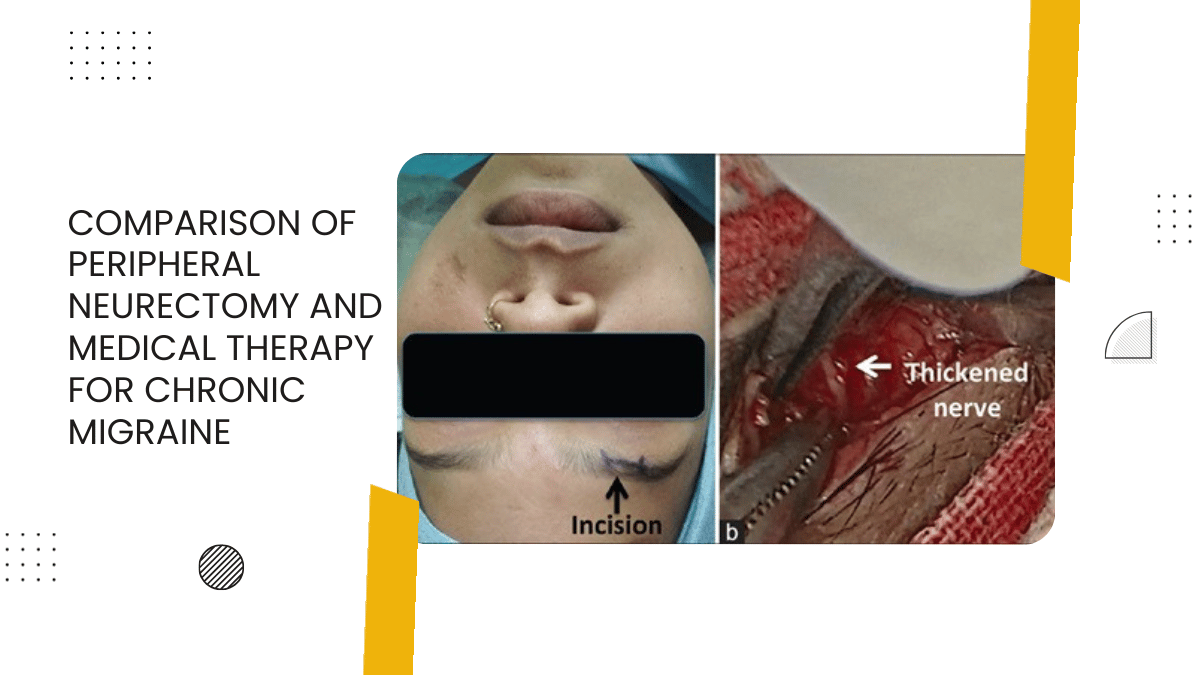
Chronic migraine is a debilitating neurological disorder that significantly affects quality of life and can be resistant to conventional medical therapies. Dr. Ramesh Doddamani at AIIMS, New Delhi, conducted a randomized controlled trial comparing the efficacy of peripheral neurectomy—a surgical procedure that involves selective removal or decompression of specific peripheral nerves implicated in migraine—with standard pharmacological management.
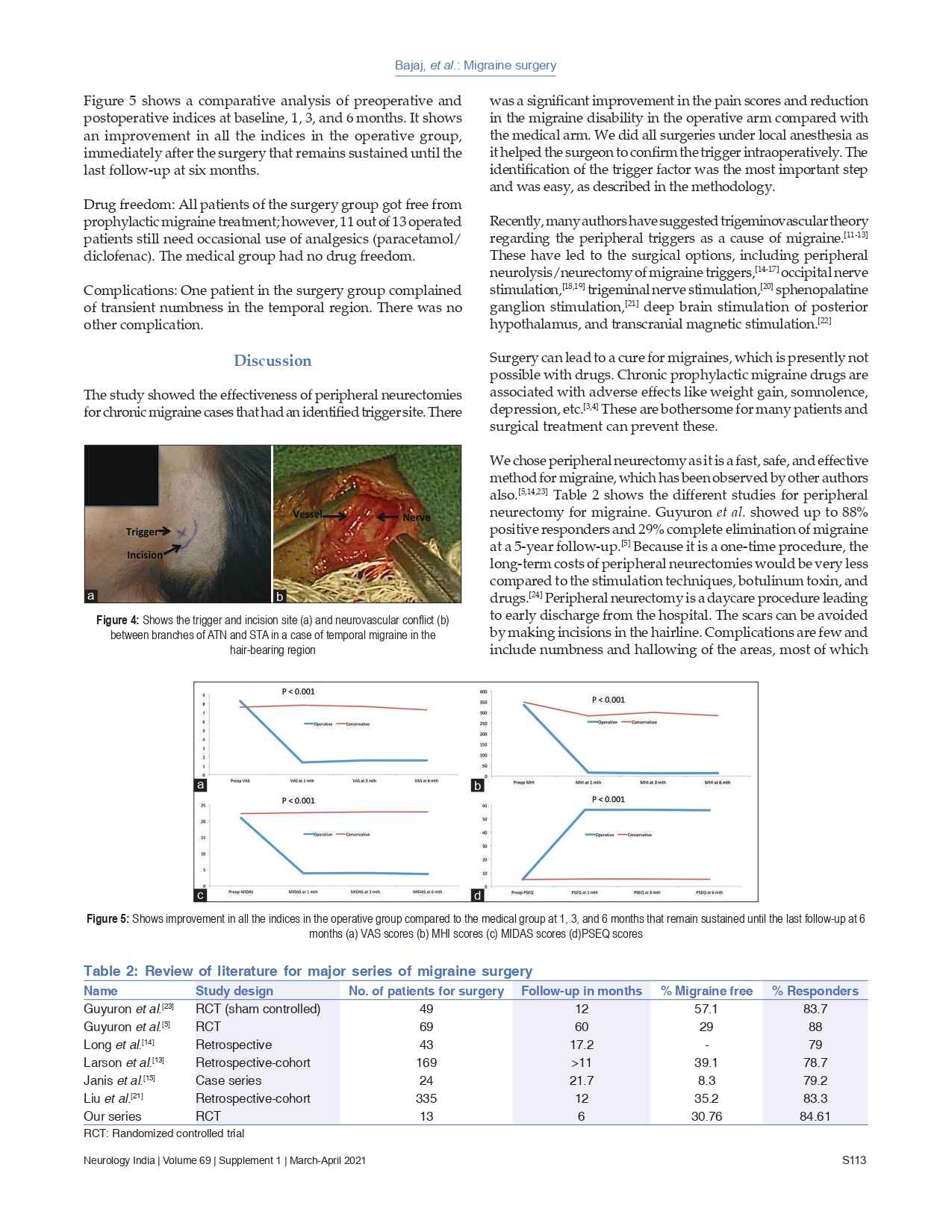
The study was designed to assess both pain relief and functional improvement in patients suffering from chronic, medically refractory migraines. Peripheral neurectomy targets nerves such as the supraorbital, supratrochlear, or occipital nerves, which can trigger migraine episodes when hyperactive or compressed. By interrupting abnormal pain signaling at these sites, the procedure aims to reduce the frequency, intensity, and duration of migraine attacks.
Clinical outcomes from the trial demonstrated that patients undergoing peripheral neurectomy experienced significant and sustained reduction in migraine frequency and severity, along with improved daily functioning, compared to those receiving only medical therapy. The results highlight that, for carefully selected patients, surgical intervention can be a safe, effective, and long-term solution when conventional medications fail.
This study emphasizes the importance of personalized, multidisciplinary approaches in migraine management and reflects Dr. Doddamani’s commitment to integrating innovative neurosurgical techniques with evidence-based clinical practice to improve outcomes in challenging neurological conditions.

Add a Comment