Methods:
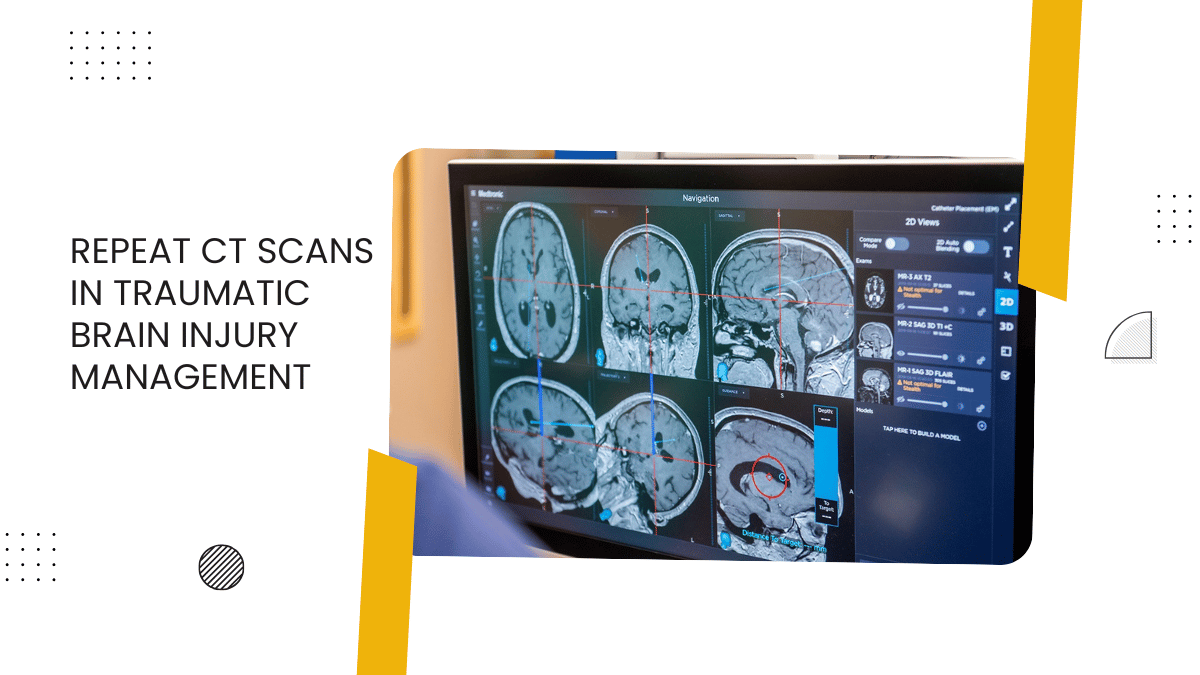
In this study, 201 patients with traumatic brain injury were followed with serial CT scans for a maximum of up to 5 scans. The presence of different types of intracranial lesions at each CT scan, as well as the evolution of lesions, was recorded. The development of new lesions was noted. The management decisions at the time of each CT was detailed.
Results:
Progression of lesion was seen most often in patients with mixed lesions (21.8%). New lesions were seen in 5.5% of patients at CT-2 and in 5.8% at CT-3. Out of total 201 patients, 47 (23%) had change in management. 26 (55%) decisions of change in management were based upon clinical deterioration and 21 (45%) upon radiological changes only. A higher incidence of surgical intervention was seen in patients who had the first CT scan within 6 h of initial trauma. However, a few patients in whom the first CT scan was 6 h after trauma as well as some patients in whom CT scan was repeated as a routine without any clinical deterioration also had a change in their management.
Conclusions:
Repeat CT scans resulted in management changes even in patients with no clinical deterioration and thus may be of value in detecting changes at an early stage.
To know more read: https://www.thieme-connect.com/products/ejournals/abstract/10.1016/j.ijnt.2012.04.007

Add a Comment