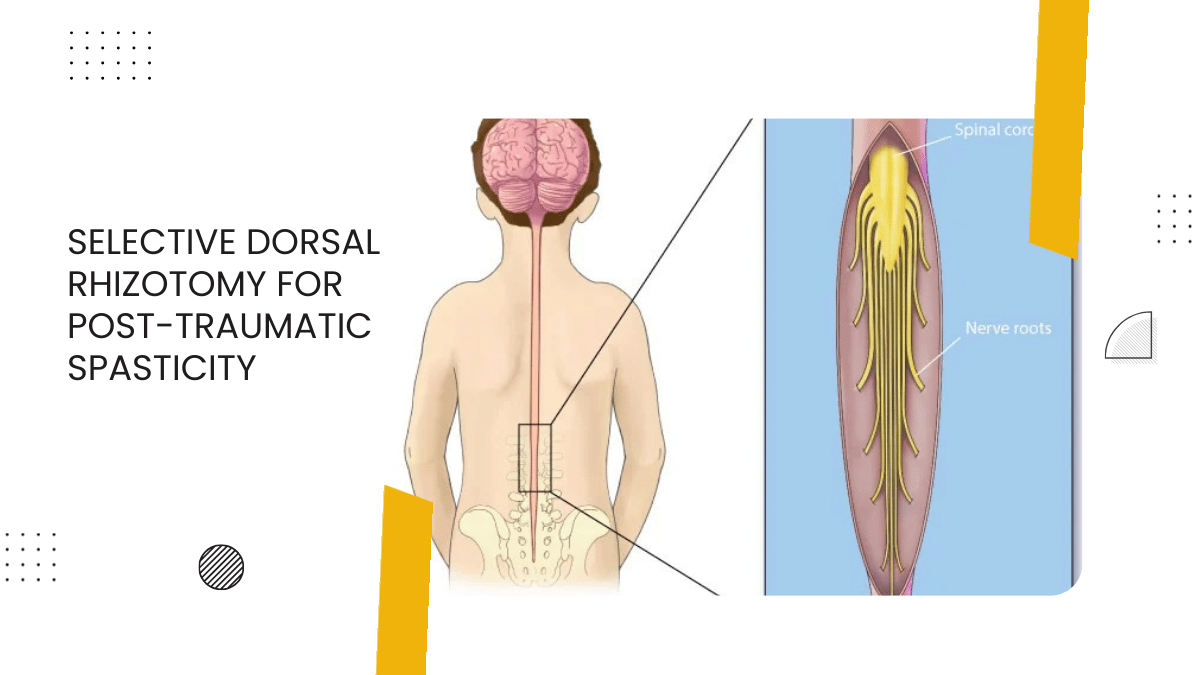
Post-traumatic spasticity is a common and often debilitating complication following spinal cord or brain injuries, characterized by involuntary muscle contractions, stiffness, and impaired motor function. While conventional treatments such as physiotherapy, oral medications, and botulinum toxin injections provide some relief, many patients continue to experience significant functional limitations.
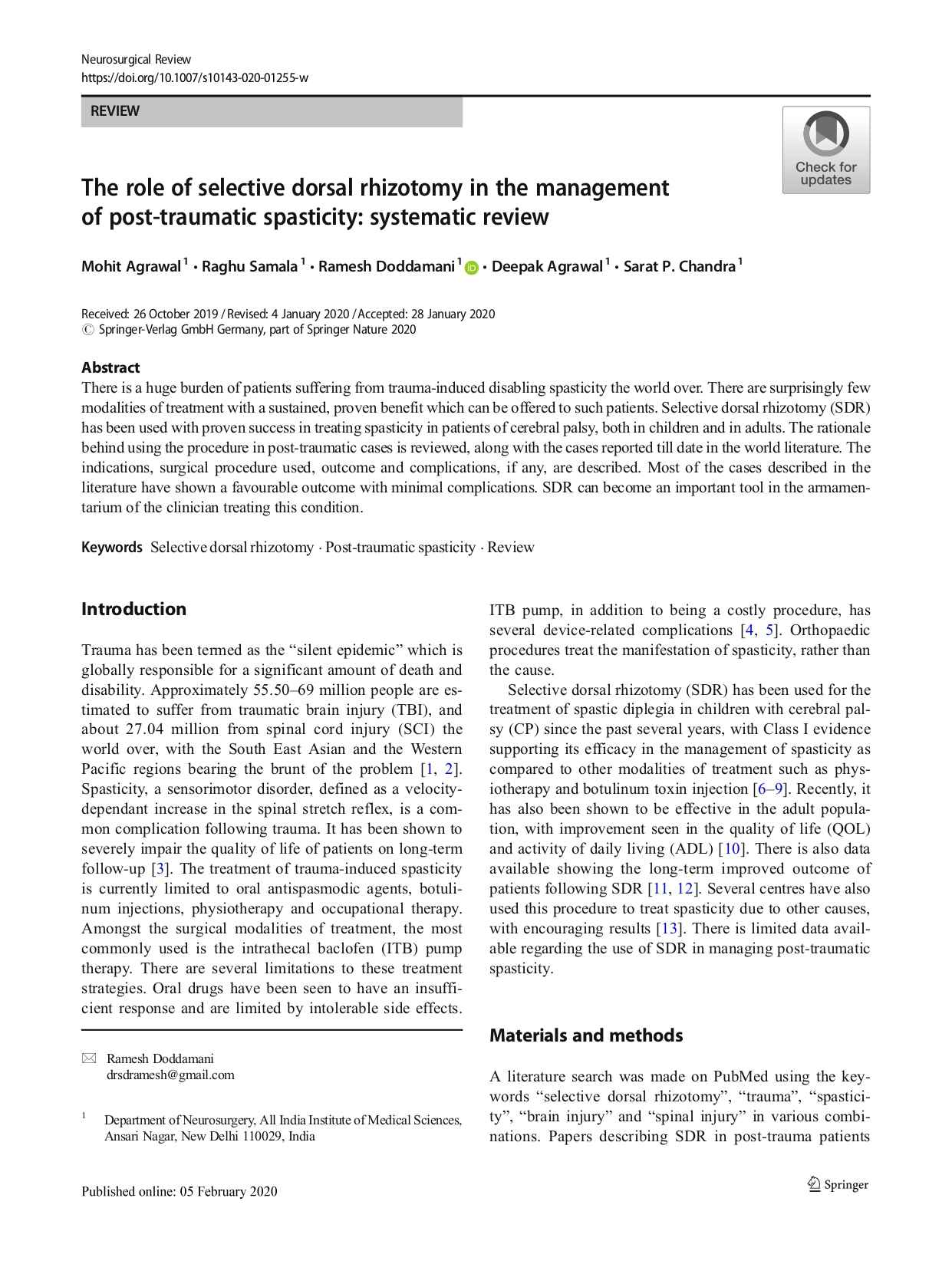
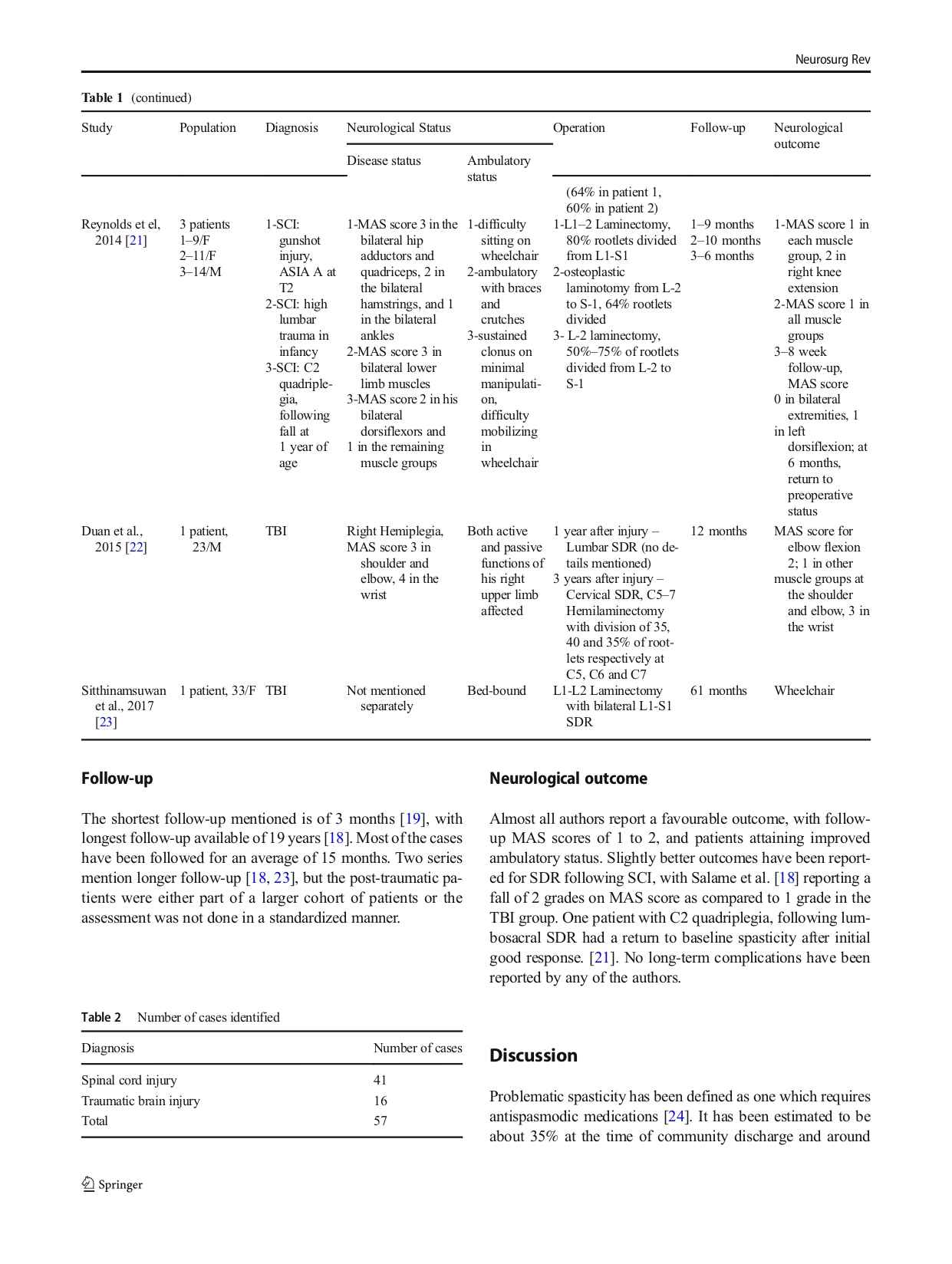
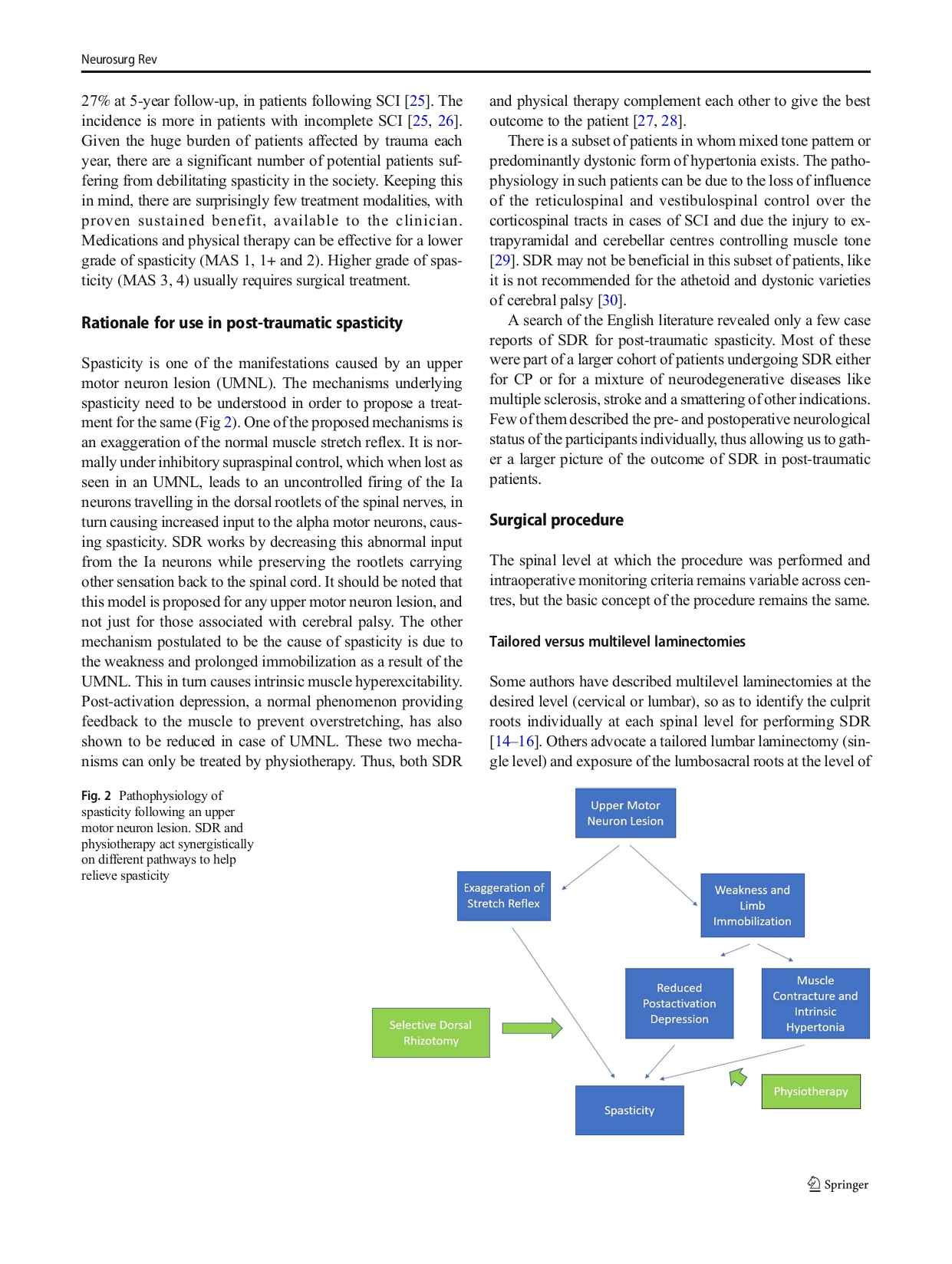
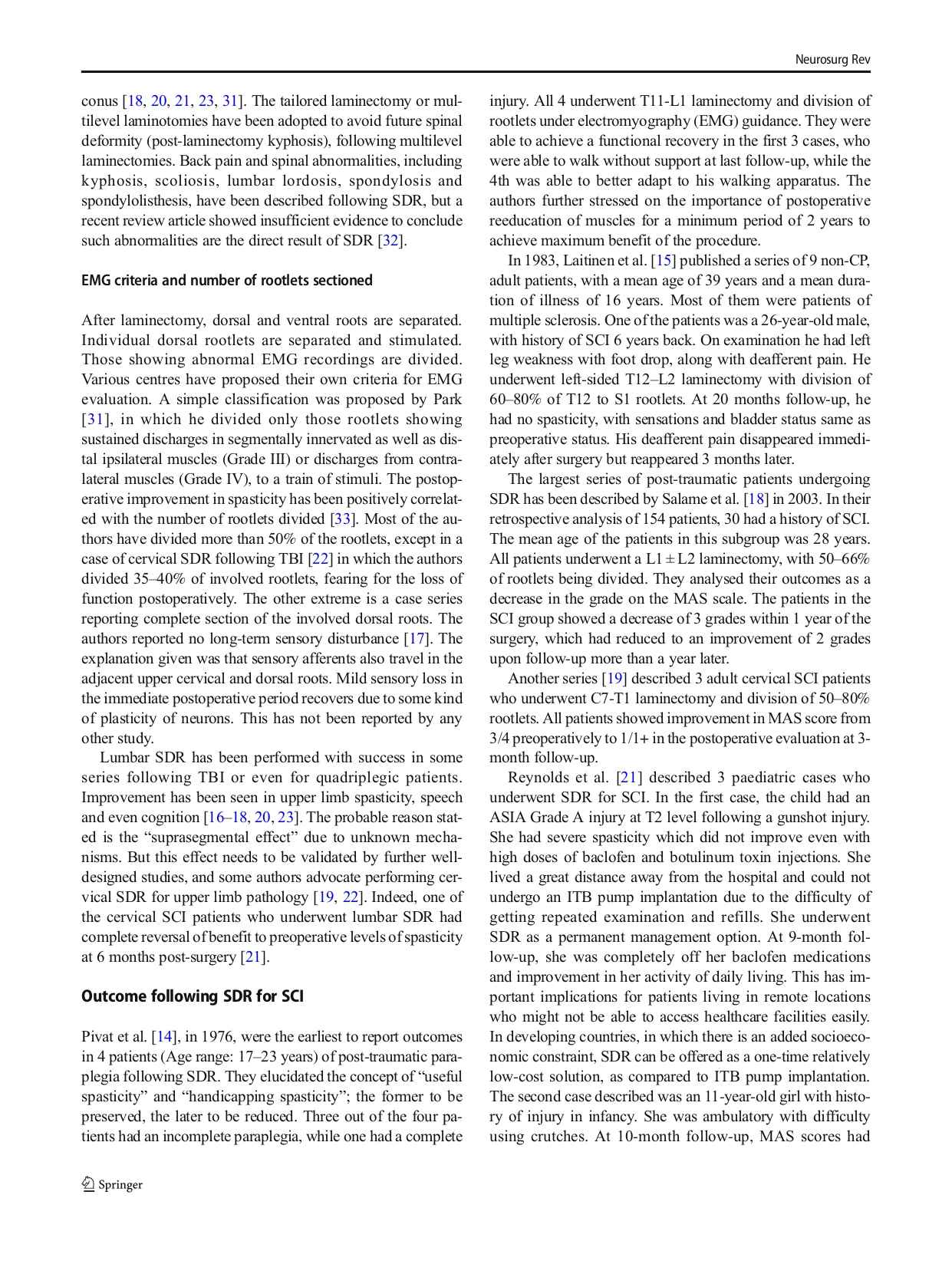
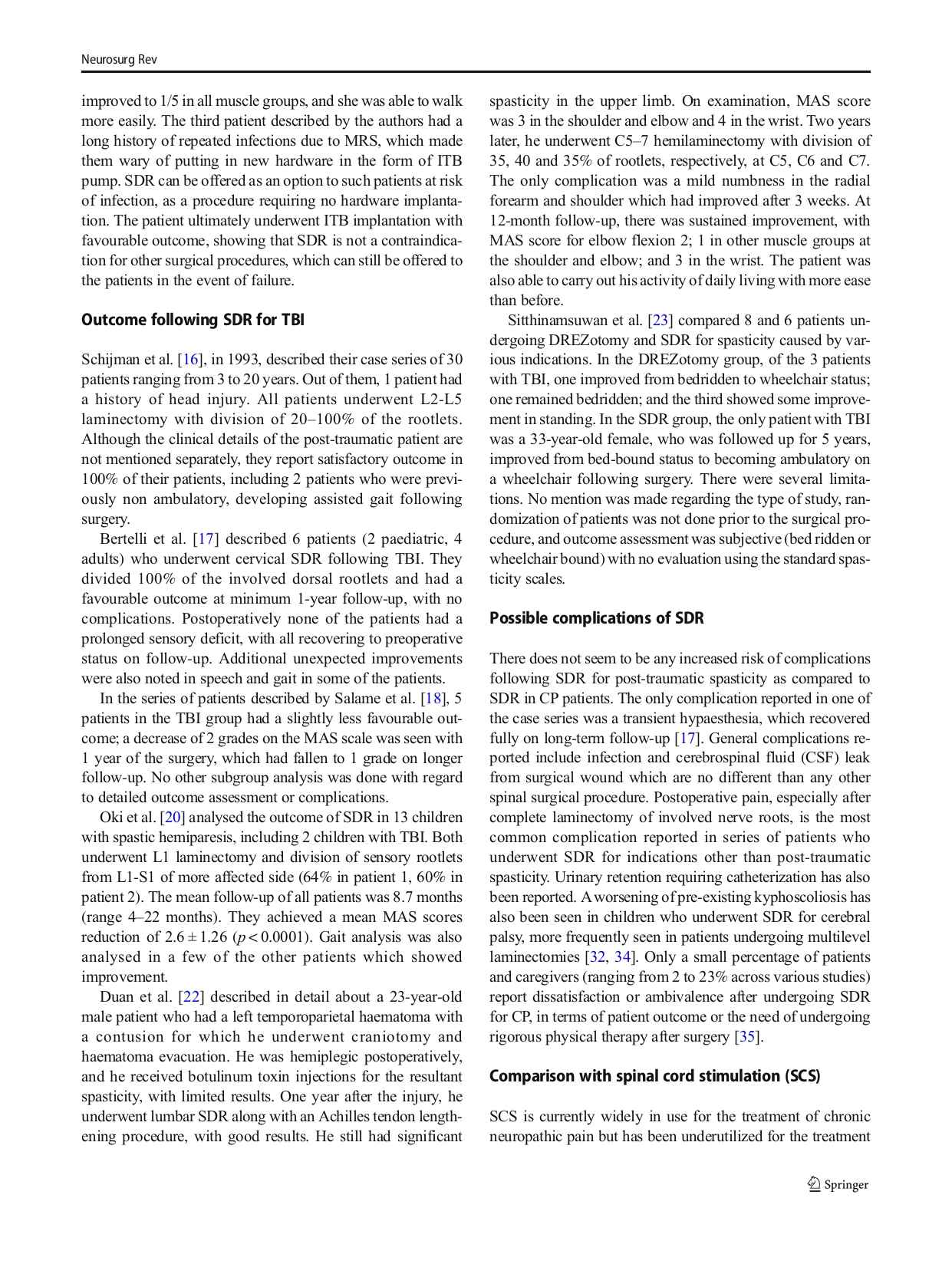
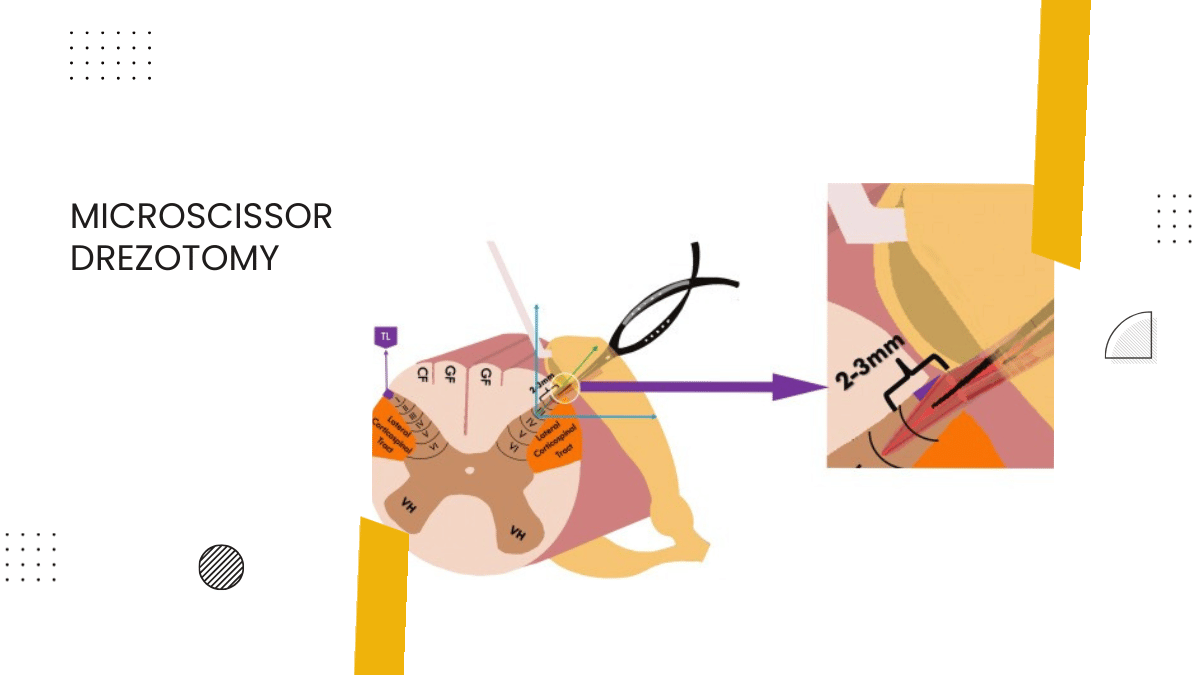
Dr. Ramesh Doddamani at AIIMS, New Delhi, conducted a systematic review to evaluate the role of selective dorsal rhizotomy (SDR) in managing post-traumatic spasticity. SDR is a neurosurgical procedure that involves selectively cutting overactive sensory nerve roots in the spinal cord to reduce abnormal reflex activity that causes spasticity. By targeting only the hyperactive fibers while preserving normal sensory and motor function, SDR offers a precise, targeted, and long-lasting solution for spasticity management.
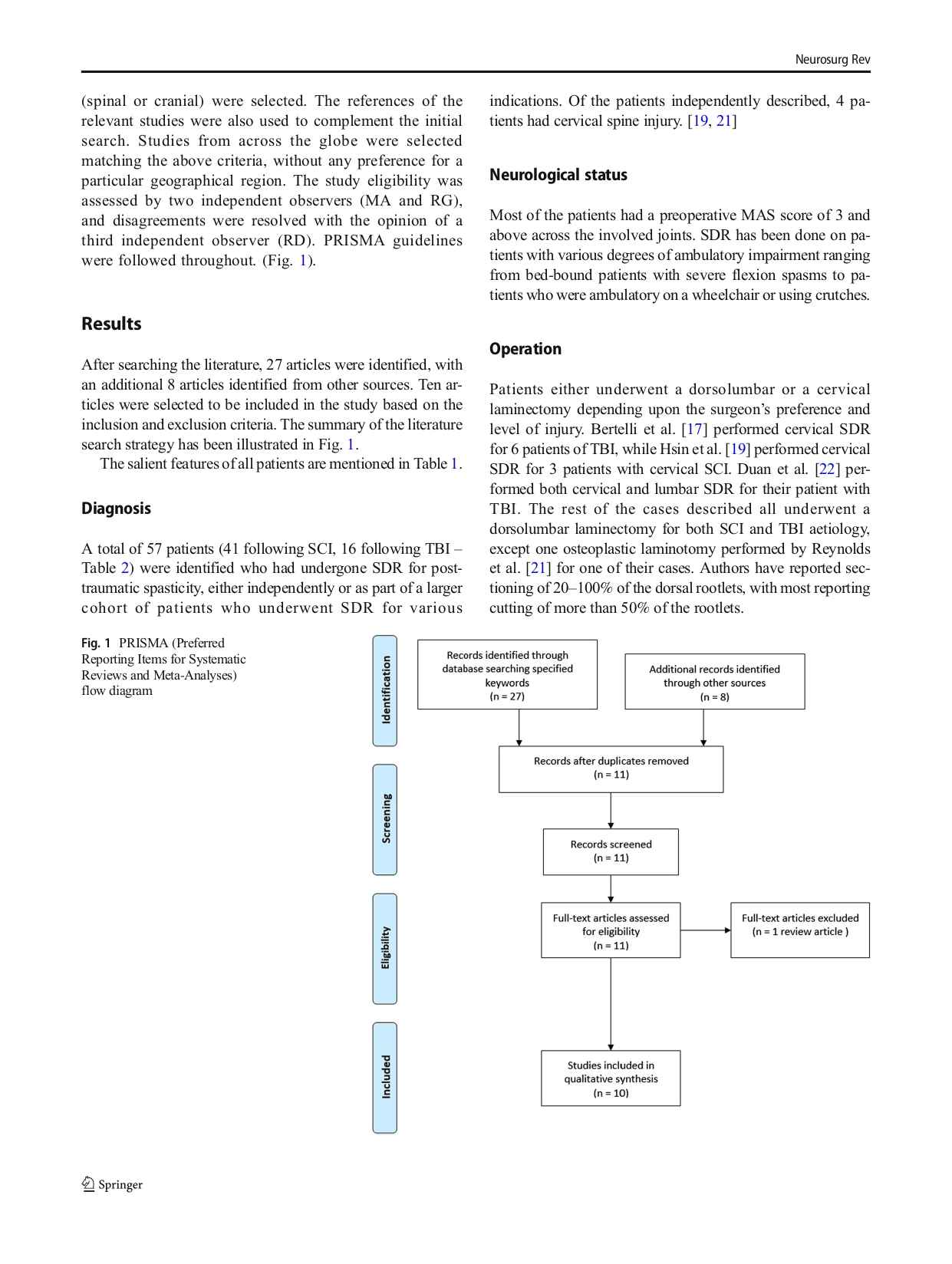
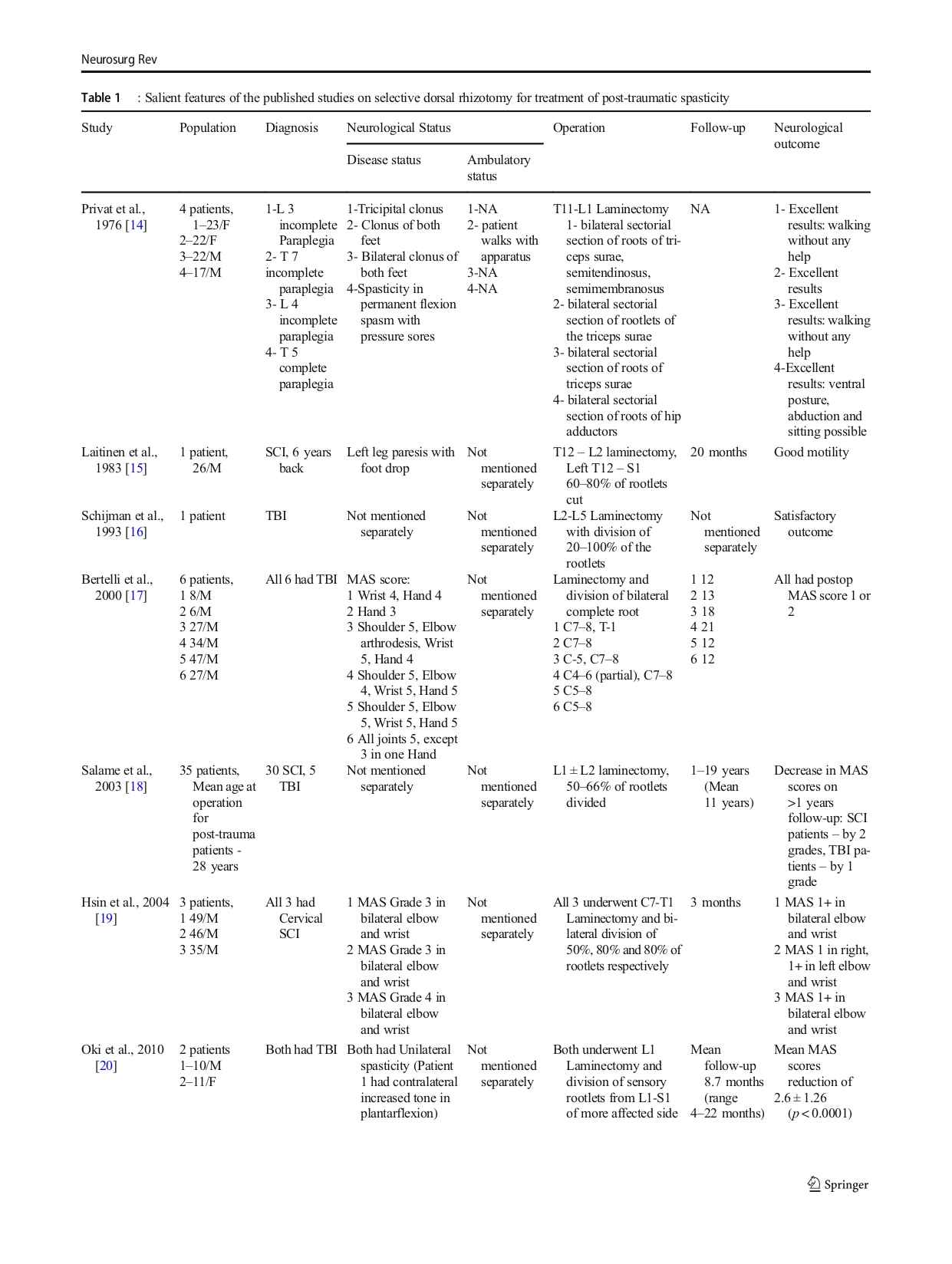
The review analyzed outcomes from multiple studies, focusing on reduction in muscle tone, improvement in voluntary motor function, enhancement of mobility, and quality-of-life benefits. Evidence suggests that SDR can provide sustained spasticity relief, facilitate rehabilitation, and reduce the need for ongoing pharmacological interventions. The procedure is particularly beneficial in patients with severe, focal spasticity that does not respond adequately to conservative measures.
This work highlights the therapeutic potential of SDR as a key neurosurgical intervention in post-traumatic spasticity and underscores the importance of careful patient selection, multidisciplinary rehabilitation, and long-term follow-up. Dr. Doddamani’s systematic review reinforces the growing role of advanced neurosurgical techniques in improving functional outcomes and quality of life for patients with complex neuromuscular disorders.

Add a Comment