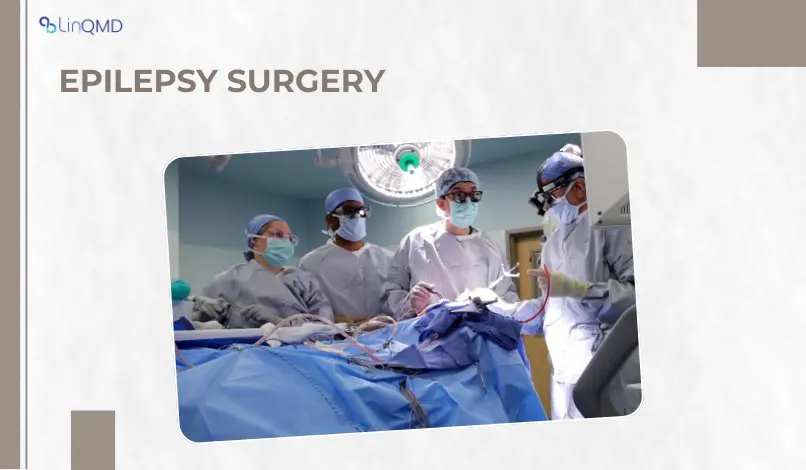
Epilepsy is a condition that affects far more than the brain — it impacts confidence, independence, learning, work, relationships, and emotional well-being. As a neurosurgeon, I have met countless individuals and families living under the shadow of unpredictable seizures. Many manage well with medicines, but for some, seizures continue despite years of treatment. For these patients, epilepsy surgery can be a life-transforming option.
What Is Epilepsy Surgery?
Epilepsy surgery involves precise procedures designed to control or eliminate seizures when medications fail to provide adequate relief. The goal is not only to reduce seizure frequency but also to improve a person’s safety, daily functioning, and quality of life. Advanced technology allows us to identify the exact area of the brain where seizures originate and operate with remarkable accuracy.
Why Do It?
Many people assume epilepsy is lifelong and must be endured, but that is no longer true for everyone. Epilepsy surgery is considered when:
- Drug-resistant epilepsy: When two or more well-chosen medications fail to control seizures.
- Seizure-related injury risks: Falls, burns, accidents, or the risk of SUDEP (Sudden Unexpected Death in Epilepsy).
- Cognitive and developmental impact: In children, uncontrolled seizures may affect learning, growth, and behavior.
- Freedom and dignity: Successful surgery can help patients return to studies, careers, driving (where permitted), and social life.
Ultimately, surgery is not just a medical procedure it can offer a path back to independence.
Types of Epilepsy Surgery
Epilepsy surgery offers multiple tailored options:
1. Resective Surgery- The most common procedure, often used in temporal lobe epilepsy, where the seizure-producing area is removed.
2. Laser Ablation (LITT) - A minimally invasive method using laser energy guided by MRI to target seizure zones with tiny incisions and faster recovery.
3. Corpus Callosotomy - Helpful for severe generalized seizures, especially in children, to prevent dangerous drop attacks.
4. Neurostimulation Devices - Used when removal of the seizure focus is not possible. Options include:
- Vagus Nerve Stimulation (VNS)
- Responsive Neurostimulation (RNS)
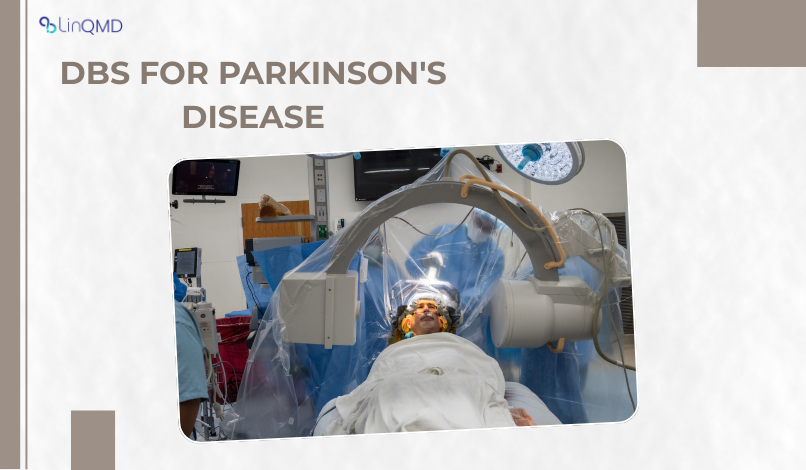
- Deep Brain Stimulation (DBS) for epilepsy
Each treatment plan is decided after comprehensive evaluation by an epilepsy care team.
Who Are Candidates?
You may be a candidate if:
- Seizures continue despite appropriate medications
- Brain scans and EEG show a localized seizure focus
- The seizure area can be safely removed or controlled
- Seizures significantly affect daily life or mental health
- An epilepsy team recommends surgical evaluation
- Both children and adults may benefit — and earlier evaluation often leads to better results.
Dr. Ravi Gopal Varma: A Personal Connection to Epilepsy Care
My journey with epilepsy surgery began during my advanced neurosurgical and epilepsy-training years abroad, where I witnessed children speak their first words, students return to school, and adults reclaim careers once abandoned. These experiences shaped not only my expertise but my mission.
Today, I continue to dedicate my practice to providing advanced epilepsy treatments and mentoring young neurosurgeons so more patients across India can access life-changing care. Every successful surgery reaffirms my belief: epilepsy does not define a person, their courage does.
A Final Word of Hope
If you or your loved one is living with uncontrolled seizures, please know that help exists beyond medication. Epilepsy surgery is not for everyone, but for the right candidate, it can be the beginning of a safer, fuller, and brighter life.
Seizures may interrupt life, but they do not have to control it. If you’re ready to explore the next step, speak to your neurologist or schedule an epilepsy surgery evaluation.
Your journey toward freedom might begin today.

Add a Comment