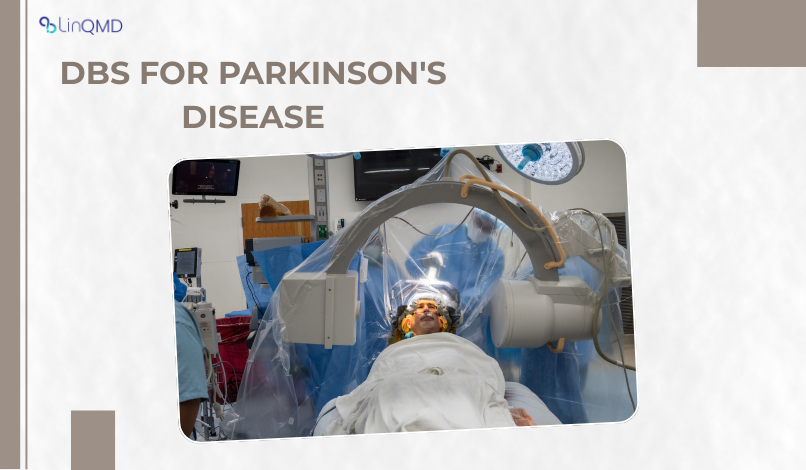
Parkinson’s Disease is not just a diagnosis; it is a daily battle that thousands of individuals and their families face with courage. As a neurosurgeon, I have spent decades walking alongside patients as they navigate tremors, stiffness, slowness of movement, and the emotional toll the illness can bring. Parkinson’s is a progressive neurological disorder caused by a drop in dopamine a crucial chemical that helps control movement. For many, the earliest symptoms are subtle, yet over time, these challenges interfere with even the simplest tasks like writing, buttoning a shirt, or holding a cup of tea without spilling.
When Medications Are Not Enough
For years, medications like Levodopa have been the cornerstone of Parkinson’s treatment. And indeed, they help many regain movement and independence. But as time passes, limitations of medications become more obvious. Patients often start facing “on-off” fluctuations—moments when the medicine works beautifully, followed by frustrating hours when symptoms return. Others experience dyskinesias, involuntary movements that can be as troubling as the disease itself. I have sat with families who have asked, “Is there anything more we can do?” And for many, the answer today is yes.
The Promise of Deep Brain Stimulation (DBS)
Deep Brain Stimulation, or DBS, is one of the most remarkable advances we have in the surgical treatment of Parkinson’s Disease. It works by delivering tiny, carefully controlled electrical impulses to specific parts of the brain involved in movement regulation. These signals help restore balance in disrupted brain circuits, reducing tremors, stiffness, and movement fluctuations.
DBS does not cure Parkinson’s, but it can significantly improve quality of life. Many of my patients have been able to return to activities they thought they had lost forever gardening, playing with grandchildren, and even returning to work.
Various DBS Options in Parkinson’s Disease
DBS therapy has evolved significantly, and today we have multiple options, including:
- STN (Subthalamic Nucleus) DBS: Often reduces medication needs and improves all major symptoms.
- GPi (Globus Pallidus Interna) DBS: Particularly effective for controlling medication-induced dyskinesias.
- Directional Leads & Adaptive DBS Systems: Advanced technology that tailors stimulation to individual brain patterns, potentially improving outcomes and reducing side effects.
As the technology progresses, I am continually inspired by the possibilities we can offer to patients who once had none.
My Journey: Training, Expertise, and Mentoring
My experience with DBS began early in my neurosurgical career, when I trained in advanced functional neurosurgery programs that introduced me to this life-changing technology. Over the years, I have had the privilege of performing numerous DBS surgeries, refining techniques, and contributing to improved patient outcomes.
Today, one of my most fulfilling roles is mentoring the next generation of neurosurgeons. I believe that sharing knowledge is a duty because every capable pair of hands means more patients receiving hope, dignity, and a better quality of life.
A Message to Patients and Families
If you or a loved one is living with Parkinson’s Disease and medications are no longer providing consistent relief, DBS may be an option worth exploring. Speak with your neurologist, ask questions, and remember: you are not alone in this journey.
Medicine treats disease, but compassion treats the person.
And with DBS, we are not just treating Parkinson’s, we are restoring possibility.

Add a Comment