

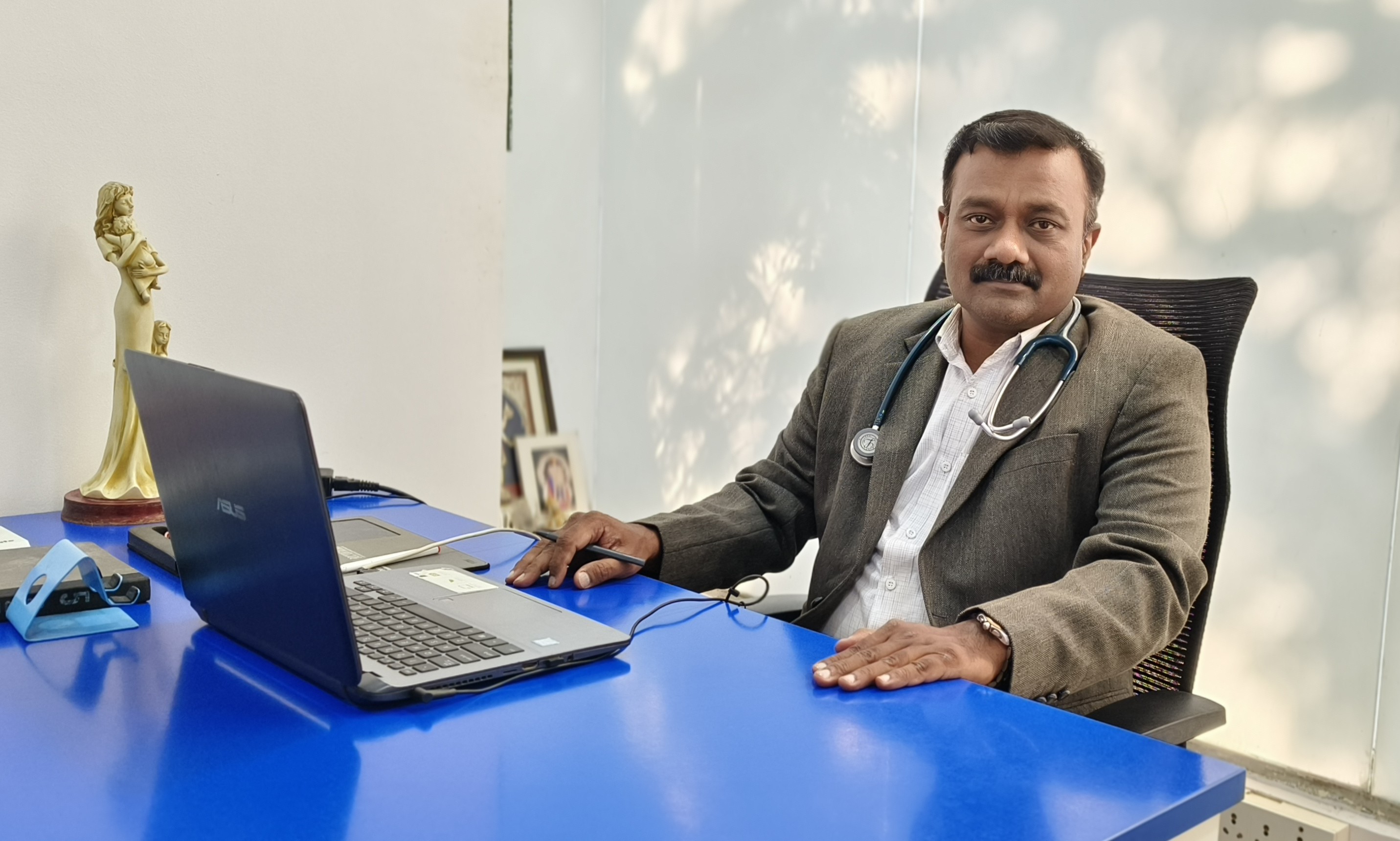













Dr. Santosh Kumar PK

Dr Santosh Kumar PK

Consultant - Physician & Cardio-Diabetologist

MBBS,Master's in Diabetes, PGD Cardiology, PGD Endocrinology.

24 years of Experiences

25000 patients

LinQ Card

About Dr Santosh Kumar PK

Dr. Santosh Kumar PK, a renowned physician in Karnataka, is celebrated for his compassionate care and dedication to patient well-being. With a foundation in modern medicine, he remains updated on medical advancements to deliver superior healthcare. His empathetic approach fosters a trusting environment for patients. Beyond his clinic, Dr. Kumar actively engages in community health initiatives, promoting wellness and preventive care. Specializing in diabetes and cardiovascular health, he has treated 30,000 patients, emphasizing early symptom detection and personalized treatment plans. His extensive qualifications include an MBBS and diplomas in diabetes management, cardiology, and endocrinology, reflecting his commitment to medical excellence.


https://d2vvc091k8tmib.cloudfront.net/s3fs-public/2026-05/Dr.%20Santosh%20Kumar%20PK_Overview_image.jpg

Dr. Santosh Kumar PK is a distinguished medical professional with a robust educational background and numerous accolades. He earned his MBBS from Karnataka University in 2001, laying a strong foundation for his medical career. Further enhancing his expertise, he pursued a Post Graduate Diploma in Diabetes Management from Middlesex University, London, in 2016. His commitment to advancing his knowledge led him to obtain additional diplomas in Clinical Cardiology and Endocrinology and Clinical Diabetology from the Royal College of Physicians (UK) in 2017 and 2018, respectively. In 2019, he completed a Masterclass in Diabetes Complications. His excellence was recognized with the 3D Award from KRSSDI in 2018.


https://d2vvc091k8tmib.cloudfront.net/s3fs-public/2026-05/Dr%20Santosh%20Kumar%20PK_Speciality_image.jpg

Dr Santosh Kumar PK's Areas of expertise

Dr. Santosh Kumar PK is a distinguished cardio diabetologist and endocrinologist, specializing in heart, diabetes, thyroid, and hormonal disorders. With advanced training from Karnataka University and prestigious institutions like Middlesex University and the Royal College of Physicians, he expertly manages complex conditions such as diabetes,heart,thyroid and harmonal disorders. Through personalized care, he empowers patients to prevent disease progression via lifestyle changes, focusing on exercise and diet. Dr. Kumar has treated 30,000 patients, offering expert guidance on diabetes management, thyroid treatment, and heart health. His credentials include Master's in diabetes management, clinical cardiology, and endocrinology, reflecting his comprehensive expertise.

Dr. Santosh Kumar PK is a distinguished medical professional with a robust educational background and numerous accolades. He earned his MBBS from Karnataka University in 2001, laying a strong foundation for his medical career. Further enhancing his expertise, he pursued a Post Graduate Diploma in Diabetes Management from Middlesex University, London, in 2016. His commitment to advancing his knowledge led him to obtain additional diplomas in Clinical Cardiology and Endocrinology and Clinical Diabetology from the Royal College of Physicians (UK) in 2017 and 2018, respectively. In 2019, he completed a Masterclass in Diabetes Complications from Royal college of physicians (UK)His excellence was recognized with the 3D Award from KRSSDI in 2018.

Conditions and Treatments

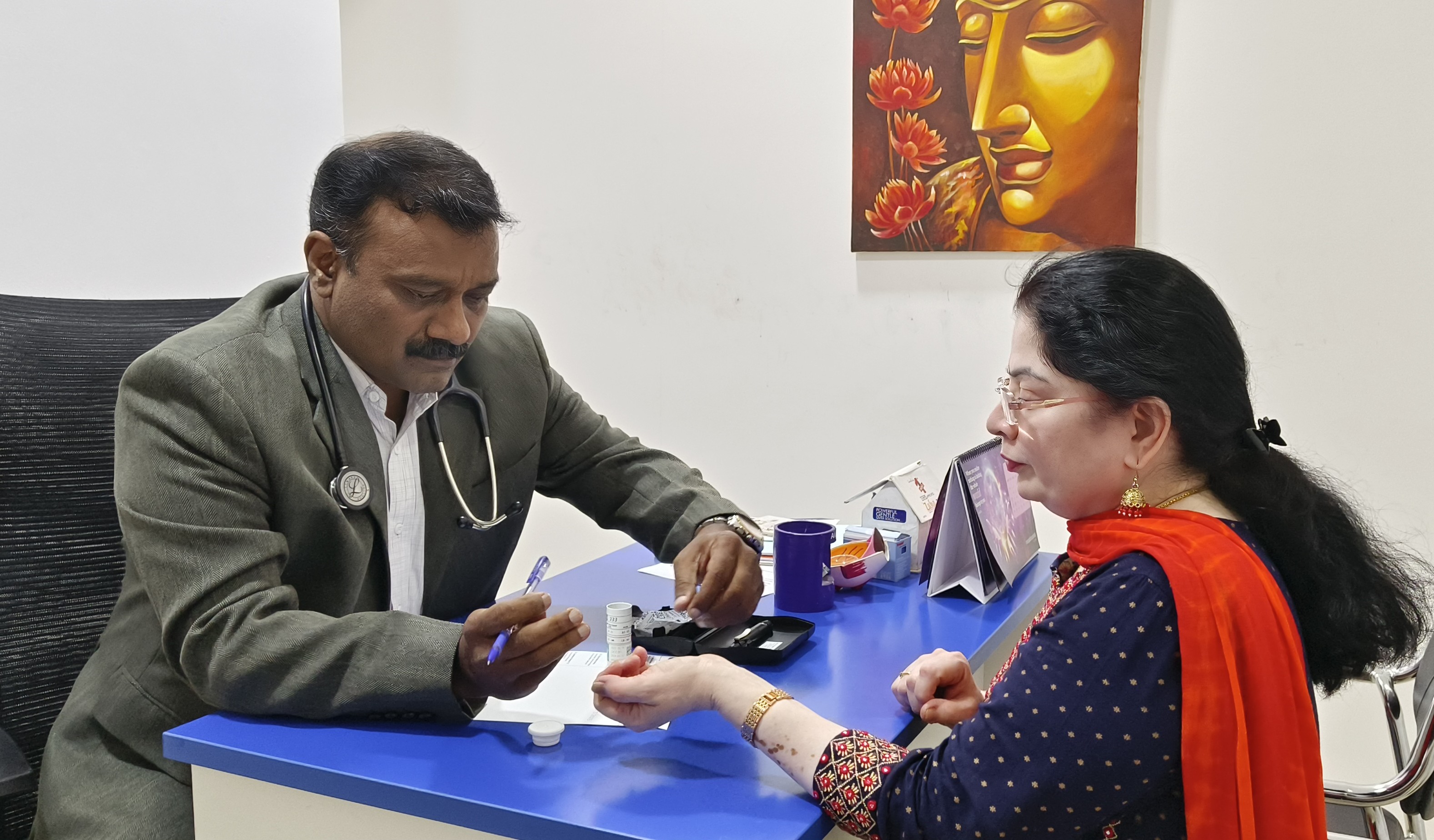
Managing Diabetes
Managing Diabetes

Dr. Santosh Kumar PK specializes in managing diabetes by focusing on symptoms, prevention, and the best treatment options. Early detection of symptoms like excessive thirst, frequent urination, and fatigue is crucial. Preventive measures include maintaining a balanced diet, regular physical activity, and routine blood sugar monitoring. Dr. Kumar advocates for personalized treatment plans, incorporating medication, lifestyle changes, and continuous education to help patients achieve optimal blood sugar control and prevent complications.

Thyroid Disorders
Thyroid Disorders

In addressing thyroid disorders, Dr. Santosh Kumar PK emphasizes comprehensive treatment strategies. Recognizing symptoms such as unexplained weight changes, fatigue, and mood disturbances is vital. Dr. Kumar's approach involves accurate diagnosis through blood tests, followed by tailored treatment plans. These may include medication to regulate hormone levels, dietary adjustments, and regular monitoring to ensure effective management and improve patients’ quality of life.

Heart Health Matters

Preventing and managing cardiac diseases is a priority for Dr. Santosh Kumar PK. He stresses the importance of recognizing risk factors like high blood pressure, high cholesterol, and lifestyle habits. Prevention strategies involve promoting heart-healthy diets, regular exercise, and smoking cessation. Dr. Kumar provides comprehensive care through diagnostic assessments and individualized treatment plans, including medication and lifestyle modifications, to manage existing conditions and enhance heart health.

Expert Physician Care

Dr. Santosh Kumar PK is dedicated to guiding patients toward better health and wellness. His holistic approach encompasses comprehensive assessments, preventive care, and patient education. By focusing on individual needs and promoting healthy lifestyle choices, Dr. Kumar empowers patients to take charge of their health. He provides expert advice on nutrition, exercise, and stress management, ensuring that patients receive well-rounded care for improved overall well-being.

Type 2 Diabetes
Type 2 Diabetes

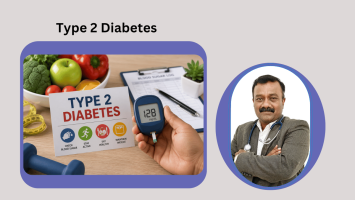
Type 2 diabetes is a progressive metabolic condition characterised by insulin resistance and gradual decline in pancreatic insulin secretion, leading to chronically elevated blood glucose that damages blood vessels, nerves, and organs over time when inadequately managed. Dr. Santosh Kumar PK provides comprehensive type 2 diabetes evaluation and management at Chirayu Multispeciality Clinic, Kasturi Nagar, Bengaluru. His approach integrates structured dietary guidance tailored to South Indian food habits, evidence-based physical activity recommendations, HbA1c-guided medication adjustment, and cardiovascular risk management through blood pressure and lipid optimisation. With advanced training from Middlesex University and the Royal College of Physicians, UK, he uses newer medication classes including SGLT2 inhibitors and GLP-1 receptor agonists where cardiovascular or renal benefit is indicated, alongside annual screening for microvascular complications. Written by Dr. Santosh Kumar PK, MBBS (Karnataka University), Masters in Diabetes Management (Middlesex University, London), PGD Clinical Cardiology (Royal College of Physicians, UK), PGD Endocrinology and Clinical Diabetology (Royal College of Physicians, UK), Consultant Physician and Cardio-Diabetologist, Chirayu Multispeciality Clinic, Kasturi Nagar, Bengaluru. Phone: +91 9164442266.

 Prediabetes and Insulin Resistance
Prediabetes and Insulin Resistance

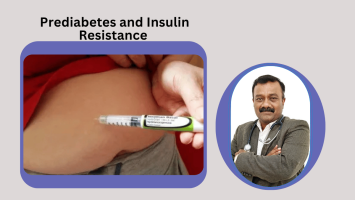
Prediabetes, defined as fasting glucose of 100 to 125 mg/dL, HbA1c of 5.7 to 6.4 percent, or a two-hour OGTT value of 140 to 199 mg/dL, carries a significant risk of progressing to type 2 diabetes and independently increases cardiovascular risk. Dr. Santosh Kumar PK treats prediabetes as seriously as established diabetes at Chirayu Multispeciality Clinic, Kasturi Nagar, Bengaluru. Structured intervention includes dietary modification tailored to the patient's food habits, a progressive physical activity plan targeting at least 150 minutes of moderate exercise per week, weight management support where relevant, and three-monthly HbA1c monitoring to track whether the trajectory is improving. Where insulin resistance is pronounced or cardiovascular risk factors are present, targeted medication may be added. The window for preventing progression through lifestyle intervention is real and evidence-based.

Diabetic Peripheral Neuropathy: Why the Nerves in Your Feet Need Attention

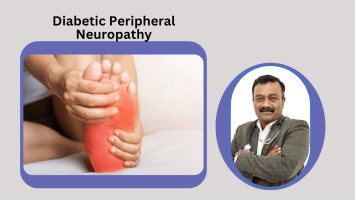
Diabetic peripheral neuropathy is damage to the peripheral nerves caused by sustained elevated blood glucose, and it is one of the most common and most preventable complications of poorly controlled diabetes. Chronically high blood sugar damages the tiny blood vessels that supply the nerves (vasa nervorum), generates oxidative stress within nerve cells, and disrupts the metabolic processes that maintain myelin, the protective sheath around nerve fibres. The longest nerves in the body are affected first, which is why symptoms begin in both feet and progress upward toward the lower legs. Dr. Santosh Kumar PK, Master's in Diabetes Management (Middlesex University, London) and PGD Endocrinology and Clinical Diabetology (Royal College of Physicians, UK), Consultant Physician and Cardio-Diabetologist at Chirayu Multispeciality Clinic, Kasturi Nagar, Bengaluru, assesses and manages neuropathy as part of every diabetes review. Early symptoms include tingling, pins and needles, and electric shock sensations in both feet. As damage progresses, burning pain that is worst at night, hypersensitivity where even a bedsheet feels uncomfortable, and eventually progressive numbness develop. The most dangerous stage is not the pain but the numbness, because it removes the warning signal that would alert a patient to a foot injury, creating the conditions for wounds to develop undetected. Neuropathy is not an inevitable consequence of diabetes; it is a consequence of uncontrolled diabetes, and aggressive glycaemic management is the most effective intervention for slowing its progression.

Diabetic Foot: How Neuropathy Leads to Ulcers and How to Interrupt the Chain

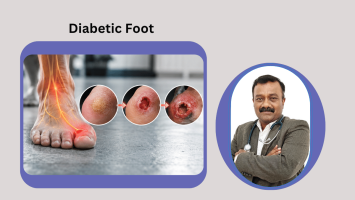
The diabetic foot is a clinical entity that combines peripheral neuropathy, which removes protective pain sensation, with peripheral arterial disease, which impairs the blood supply needed for wound healing. Together they create conditions in which a minor foot injury, a blister from a shoe, a heel crack, a small cut from walking barefoot, can progress to a deep infection or amputation if not identified and treated early. The chain of events is predictable and interruptible at every stage. Dr. Santosh Kumar PK, Consultant Physician and Cardio-Diabetologist at Chirayu Multispeciality Clinic, Kasturi Nagar, Bengaluru, performs a clinical foot examination at every diabetes consultation rather than as a separate appointment, because early detection of reduced sensation, diminished pulses, skin changes, or early pressure areas is what prevents a blister from becoming an amputation. The foot examination includes monofilament testing for protective sensation, assessment of peripheral pulses, inspection of skin integrity and nail condition, and identification of deformities or pressure points. Patients are advised to inspect their own feet daily, never walk barefoot, choose footwear that does not create pressure points, and seek same-day assessment for any wound, blister, or discolouration no matter how minor it appears. When peripheral arterial disease is suspected, vascular surgery referral is arranged without delay. Glycaemic control, the most important preventive intervention of all, is addressed at every visit.

Dr Santosh Kumar PK's Expert Tips & Health Insights

Latest

Articles by Dr Santosh Kumar PK

https://d2vvc091k8tmib.cloudfront.net/s3fs-public/2026-09/Diabetic%20Neuropathy%20Why%20Your%20Feet%20Are%20%20Sending%20You%20a%20Warning%20You%20Cannot%20Ignore.png
https://d2vvc091k8tmib.cloudfront.net/s3fs-public/2026-05/Dr%20Santosh%20Kumar%20PK.jpg
By: Dr Santosh Kumar PK
04 September 2026

Diabetic Neuropathy: Why Your Feet Are Sending You a Warning You Canno…

A Consultant Cardio-Diabetologist with 24 years explains diabetic neuropathy: why it develops, what symptoms to take seriously, how it leads to foot complications, and what regular monitoring and care can prevent, at Kasturi Nagar, Bengaluru.
Read More
https://d2vvc091k8tmib.cloudfront.net/s3fs-public/2026-07/Type%202%20Diabetes%20A%20Complete%20Guide%20to%20Diagnosis%2C%20Management%2C%20and%20Preventing%20Complications%20%281%29.png
https://d2vvc091k8tmib.cloudfront.net/s3fs-public/2026-05/Dr%20Santosh%20Kumar%20PK.jpg
By: Dr Santosh Kumar PK
03 July 2026

Type 2 Diabetes: A Complete Guide to Diagnosis, Management, and Preven…

Learn how Type 2 diabetes is diagnosed, treated, and managed with expert advice from Dr. Santosh Kumar PK at Chirayu Multispeciality Clinic, Kasturi Nagar.
Read More
https://d2vvc091k8tmib.cloudfront.net/s3fs-public/2026-05/Benefits%20and%20Drawbacks%20of%20Drinking%20Milk%20Before%20Bedtime.png
https://d2vvc091k8tmib.cloudfront.net/s3fs-public/2026-05/Dr%20Santosh%20Kumar%20PK.jpg
By: Dr Santosh Kumar PK
04 May 2026

Benefits and Drawbacks of Drinking Milk Before Bedtime: For People wit…

Discover the benefits and drawbacks of drinking milk before bedtime for people with diabetes in Kasturi Nagar. Learn how nighttime milk affects blood sugar, sleep, and overall health
Read More
https://d2vvc091k8tmib.cloudfront.net/s3fs-public/2026-05/Can%20People%20with%20Diabetes%20Eat%20Mangoes.png
https://d2vvc091k8tmib.cloudfront.net/s3fs-public/2026-05/Dr%20Santosh%20Kumar%20PK.jpg
By: Dr Santosh Kumar PK
04 May 2026

Can People with Diabetes Eat Mangoes?

Can diabetics eat mangoes? Discover how mango affects blood sugar, its glycemic index, benefits, and safe portion sizes to enjoy this fruit without harming diabetes control.
Read More
https://d2vvc091k8tmib.cloudfront.net/s3fs-public/2026-05/Maida-Containing%20Foods%20for%20Diabetics.png
https://d2vvc091k8tmib.cloudfront.net/s3fs-public/2026-05/Dr%20Santosh%20Kumar%20PK.jpg
By: Dr Santosh Kumar PK
04 May 2026

Maida-Containing Foods for Diabetics

Learn how maida-containing foods affect diabetics. Discover why refined flour can spike blood sugar, which foods to avoid, and healthier alternatives for better diabetes control.
Read More
https://d2vvc091k8tmib.cloudfront.net/s3fs-public/2026-05/Ghee%20is%20Good%20or%20Bad%20for%20Diabetics.png
https://d2vvc091k8tmib.cloudfront.net/s3fs-public/2026-05/Dr%20Santosh%20Kumar%20PK.jpg
By: Dr Santosh Kumar PK
04 May 2026

Ghee is Good or Bad for Diabetics?

Is ghee good for diabetics? Learn the benefits, risks, and how ghee affects blood sugar levels. Discover if moderate consumption can support diabetes management and overall health.
Read More
https://d2vvc091k8tmib.cloudfront.net/s3fs-public/2026-05/Ideal%20Time%20for%20Walking%20%E2%80%93%20Morning%20or%20Evening.png
https://d2vvc091k8tmib.cloudfront.net/s3fs-public/2026-05/Dr%20Santosh%20Kumar%20PK.jpg
By: Dr Santosh Kumar PK
04 May 2026

Ideal Time for Walking – Morning or Evening?

Discover the best time to walk for maximum health benefits. Compare morning vs evening walks for weight loss, energy, digestion, and stress relief to find what suits your lifestyle best.
Read More
https://d2vvc091k8tmib.cloudfront.net/s3fs-public/2026-05/Why%20Walking%20is%20the%20Best%20Exercise.png
https://d2vvc091k8tmib.cloudfront.net/s3fs-public/2026-05/Dr%20Santosh%20Kumar%20PK.jpg
By: Dr Santosh Kumar PK
04 May 2026

Why Walking is the Best Exercise

Discover why walking is the best exercise for overall health. Learn how daily walking boosts heart health, aids weight loss, improves mood, and helps prevent chronic diseases naturally.
Read More
https://d2vvc091k8tmib.cloudfront.net/s3fs-public/2026-02/1_27.png
https://d2vvc091k8tmib.cloudfront.net/s3fs-public/2026-05/Dr%20Santosh%20Kumar%20PK.jpg
By: Dr Santosh Kumar PK
20 March 2025

The Link Between Thyroid Disorders and Heart Health

On a regular basis, I have encountered many patients who are unaware of the significant connection between thyroid function and heart health.
Read More
https://d2vvc091k8tmib.cloudfront.net/s3fs-public/2026-02/2_28.png
https://d2vvc091k8tmib.cloudfront.net/s3fs-public/2026-05/Dr%20Santosh%20Kumar%20PK.jpg
By: Dr Santosh Kumar PK
20 March 2025

Hormonal Imbalances and Weight Gain

As a medical professional specializing in endocrinology and metabolic health
Read More
https://d2vvc091k8tmib.cloudfront.net/s3fs-public/2026-02/3_29.png
https://d2vvc091k8tmib.cloudfront.net/s3fs-public/2026-05/Dr%20Santosh%20Kumar%20PK.jpg
By: Dr Santosh Kumar PK
20 March 2025

Reversing Prediabetes Is It Possible with Lifestyle Changes

Imagine going for a routine health check-up and discovering that your blood sugar levels are higher than normal
Read More

Podcasts by Dr Santosh Kumar PK

Dr Santosh Kumar PK's Patient Testimonial Reviews

Leave a Review

Patient Reviews

Dr Santosh Kumar PK

Leave a Review

Frequently Asked Questions

Frequently Asked Questions

View all

What foot care habits and footwear should I follow at home to protect my feet with diabetes?

The daily foot care routine I recommend to every patient with diabetes, and particularly to those with any degree of neuropathy, is built around a single principle: never let a foot problem go unnoticed. Inspect both feet every day, including the soles and between the toes, using a mirror if needed, or asking a family member to check areas you cannot easily see. Look for any redness, swelling, blisters, cuts, cracks, or changes in skin colour. Never walk barefoot, including inside the house: the most common cause of the foot injuries that lead to diabetic ulcers is a minor wound sustained while barefoot that goes unfelt because of neuropathy. Wash feet daily in warm, not hot, water, testing the temperature with your elbow rather than your feet if sensation is reduced, and dry thoroughly between the toes. Apply a moisturising cream to the soles and heels to prevent dryness and cracking, but not between the toes where moisture encourages fungal infection. For footwear, choose shoes that are wide enough to avoid pressure on the toes, with a cushioned sole, no internal seams that create pressure points, and a closed toe. Break in new shoes gradually. Avoid tight socks and open-toed sandals. Any wound, blister, or area of unusual colour or warmth should be assessed at Chirayu Multispeciality Clinic, Kasturi Nagar, on the same day it is noticed, not monitored at home for several days, because in a diabetic foot, hours matter.

Written by Dr. Santosh Kumar PK, Master's in Diabetes Management (Middlesex University), PGD Clinical Cardiology and PGD Endocrinology (Royal College of Physicians, UK), Consultant Physician and Cardio-Diabetologist, Chirayu Multispeciality Clinic, Kasturi Nagar, Bengaluru. Phone: +91 9164442266.

What does a diabetic foot examination involve, and how often should I have one?

A clinical foot examination in a person with diabetes covers several specific domains that together establish the current foot risk. Protective sensation is assessed using a monofilament, a thin standardised filament pressed against specific points on the sole of the foot to determine whether the patient can feel it: inability to feel the monofilament at one or more sites indicates loss of protective sensation and places the patient at high risk for undetected foot injury. Peripheral pulses in the foot (the dorsalis pedis and posterior tibial arteries) are palpated to assess peripheral arterial circulation, and if they are diminished, further vascular investigation is arranged. The skin is inspected for dryness, cracking, callus formation over pressure points, any areas of discolouration, and the nails for changes that increase infection risk. Foot deformities such as bunions, hammer toes, or Charcot changes that create pressure points are identified. Vibration sensation and ankle reflexes are also assessed. Every person with diabetes should have this examination at least once a year. "At Chirayu Multispeciality Clinic, Kasturi Nagar, Bengaluru, I perform a focused foot examination at every diabetes consultation rather than reserving it for annual reviews, because the feet can change significantly between visits in patients with active neuropathy."

Written by Dr. Santosh Kumar PK, Master's in Diabetes Management (Middlesex University), PGD Clinical Cardiology and PGD Endocrinology (Royal College of Physicians, UK), Consultant Physician and Cardio-Diabetologist, Chirayu Multispeciality Clinic, Kasturi Nagar, Bengaluru. Phone: +91 9164442266.

My feet have gone numb and the burning pain has stopped. Does that mean my neuropathy is improving?

This is one of the most important misconceptions I encounter in my practice, and I want to address it directly: the disappearance of burning pain in the feet of a person with longstanding diabetes is not a sign of improvement. It is very likely a sign of worsening. The burning, tingling, and electric shock sensations of early to intermediate neuropathy are produced by damaged but still partially functioning nerve fibres that are generating abnormal electrical signals. When these nerve fibres are eventually lost entirely, there are no fibres left to generate the burning sensation. The pain stops not because the nerves have healed but because they have been destroyed. What replaces the burning is numbness, which is clinically more dangerous than the pain it replaces, because it removes the protective pain signal that would normally warn a patient about a foot injury. A blister, a cut, a pressure wound from an ill-fitting shoe, all go unnoticed. At Chirayu Multispeciality Clinic, Kasturi Nagar, Bengaluru, if a patient tells me their foot burning has resolved, my first response is a thorough neuropathy assessment rather than reassurance, because the most likely explanation requires urgent attention.

Written by Dr. Santosh Kumar PK, Master's in Diabetes Management (Middlesex University), PGD Clinical Cardiology and PGD Endocrinology (Royal College of Physicians, UK), Consultant Physician and Cardio-Diabetologist, Chirayu Multispeciality Clinic, Kasturi Nagar, Bengaluru. Phone: +91 9164442266.
Related reading: 

Diabetic Neuropathy: Why Your Feet Are Sending You a Warning You Cannot Ignore
Type 2 Diabetes: A Complete Guide to Diagnosis, Management, and Preventing Complications

Can diabetic neuropathy be reversed, or can it only be slowed?

This is one of the most important questions my patients ask, and the honest answer is that it depends on the stage at which neuropathy is identified and addressed. In the very early stages, when glycaemic control is improved substantially and sustained, some degree of nerve function recovery is possible. The nerve fibres that have been damaged but not yet lost can partly recover when the metabolic insult driving the damage is removed. However, nerve fibres that have been destroyed do not regenerate, which means that established, advanced neuropathy cannot be reversed: the goal becomes stabilisation and prevention of further progression. This is the clinical argument for early detection. A patient with early tingling and pins and needles who achieves sustained excellent glycaemic control may stabilise or partially improve. A patient who presents with established numbness and whose nerve conduction studies show significant fibre loss is at a stage where the realistic aim is preventing further damage, not recovering what has been lost. The most effective treatment for diabetic neuropathy at every stage is the best achievable blood glucose control, because it is the elevated glucose that drives the ongoing nerve damage, and addressing it is the intervention that most consistently changes the trajectory.

Written by Dr. Santosh Kumar PK, Master's in Diabetes Management (Middlesex University), PGD Clinical Cardiology and PGD Endocrinology (Royal College of Physicians, UK), Consultant Physician and Cardio-Diabetologist, Chirayu Multispeciality Clinic, Kasturi Nagar, Bengaluru. Phone: +91 9164442266.

Link copied to clipboard!

Reach Dr Santosh Kumar PK

Chirayu Multispecialty Clinic

No 303, Nikith Arcade, 2nd Main Rd, above Karnataka Bank - Kasturinagar Branch, Kasturi Nagar, Bengaluru, Karnataka 560043