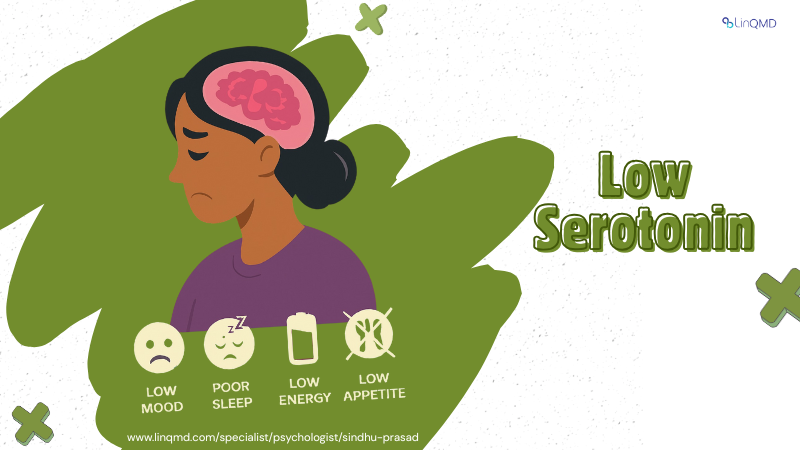
As a clinician, I often remind my patients that mental health is not just an emotional experience it is deeply rooted in biology. One of the key chemicals influencing how we feel is serotonin, commonly known as the “feel-good hormone.” Serotonin is a powerful neurotransmitter that carries messages between nerve cells, regulating mood, sleep, digestion, memory and even appetite. When serotonin levels drop, people can experience anxiety, depression, irritability, poor sleep and digestive issues.
One of my patient, a 35-year-old IT professional, walked into my clinic exhausted, stressed and struggling with low mood for months. Long working hours, minimal sunlight exposure, erratic eating habits and constant screen time had gradually affected his serotonin balance. His case is a reminder that many of us unknowingly create lifestyles that deplete our own mental resilience.
Low serotonin levels can occur either because the body is not producing enough of it or because the brain is not able to use it effectively due to fewer receptors. The good news is that there are simple, evidence-based ways to naturally support serotonin production.
I often advise my patients to start with nutrition. Tryptophan-rich foods like salmon, eggs, cheese, turkey, tofu, pineapple, nuts, oats and seeds provide the building blocks for serotonin. Sunlight exposure, even for 15–20 minutes a day, significantly boosts serotonin activity. Regular exercise, especially walking, yoga or cycling, helps regulate mood and reduce stress. Listening to your favourite songs also help you relax and reduce the accumulating stress. Some individuals may also benefit from specific supplements, but these should always be taken under medical guidance.
While raising serotonin is important, excessively high levels can be dangerous. Serotonin syndrome, caused by certain medications or drug combinations—can lead to severe symptoms like high fever, seizures, fainting and abnormal heartbeat. Early diagnosis is crucial.
Conclusion:
Serotonin plays a vital role in maintaining emotional stability and overall mental well-being. By adopting healthier daily habits, just like my patient did, you can support your body’s natural balance and protect your mental health. If symptoms persist, always consult a healthcare professional for personalised care.



Add a Comment