
Sleep is essential for both physical and emotional well-being, yet many adults struggle to get proper rest every night. Difficulty falling asleep, waking up repeatedly, or feeling tired despite spending hours in bed can affect mood, concentration, energy, and overall health. If you often find yourself asking, “Why can’t I sleep?” you are not alone. Insomnia has become increasingly common due to stress, lifestyle habits, anxiety, and emotional overload.
Many people assume sleeping problems only require medication, but that is not always true. In many cases, identifying the underlying emotional or behavioral causes can help improve sleep naturally. Understanding the causes of insomnia in adults is the first step toward better sleep and healthier mental wellness.
Common Causes of Insomnia in Adults:
Insomnia can happen for several reasons, including:
- Stress related to work, studies, or relationships
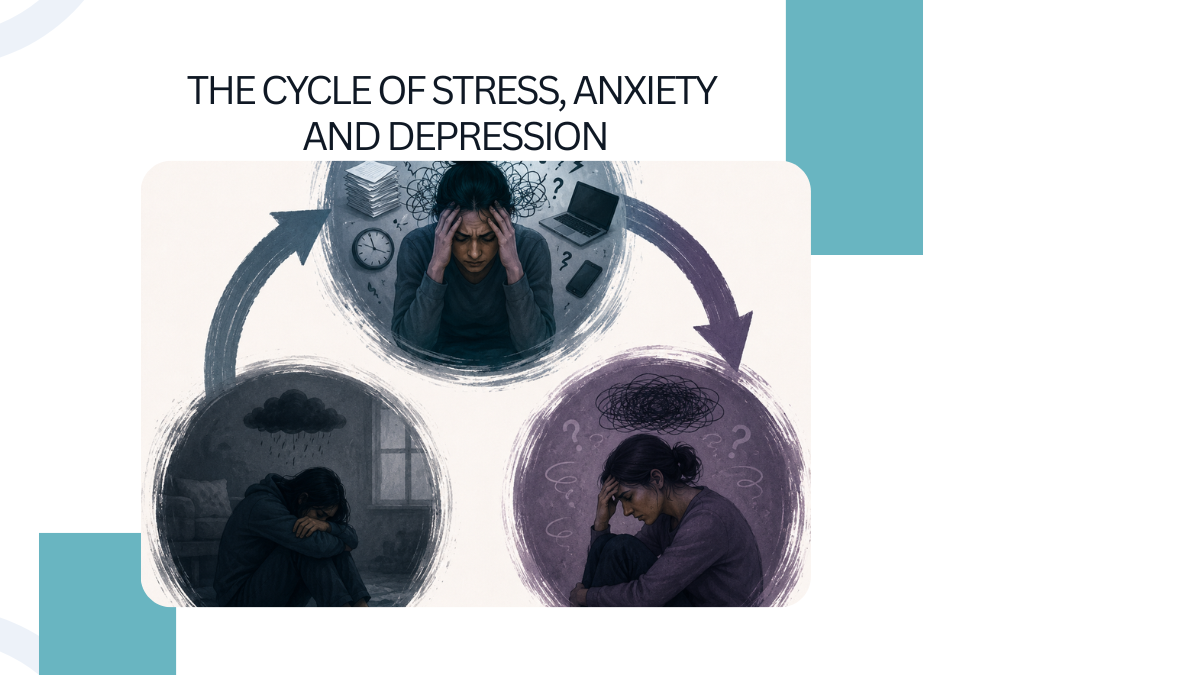
- Anxiety and overthinking
- Depression or emotional distress
- Excessive screen time before bed
- Irregular sleep schedules
- Caffeine or late-night eating habits
- Chronic health conditions
👉 Many individuals who ask, “Why am I always tired but can’t sleep?” may actually be experiencing mental fatigue combined with an overstimulated mind that struggles to relax at night.
Signs That Your Sleep Problem Needs Attention:
Occasional poor sleep is common, but persistent insomnia should not be ignored. Warning signs include:
- Difficulty falling asleep most nights
- Waking up multiple times during sleep
- Feeling exhausted during the day
- Irritability or mood swings
- Poor focus and memory
- Dependence on sleeping pills
👉 Long-term sleep problems can affect emotional health, productivity, immunity, and even relationships.
How to Sleep Better Naturally:
Many people want to know how to sleep better without becoming dependent on medication. Healthy sleep habits can make a major difference.
Simple Natural Sleep Tips:
- Maintain a consistent bedtime routine
- Avoid mobile phones and screens before sleep
- Limit caffeine in the evening
- Practice relaxation exercises or meditation
- Keep the bedroom quiet and comfortable
- Avoid heavy meals late at night
👉 These methods can support people looking for how to treat insomnia naturally.
Can Therapy Help Insomnia?
Yes. Therapy can be highly effective for insomnia, especially when stress, anxiety, or unhealthy sleep habits are involved. Many patients are surprised to learn that therapy for insomnia often improves sleep without medicines.
One of the most effective approaches is CBT for insomnia (Cognitive Behavioral Therapy for Insomnia). This therapy helps individuals:
- Identify negative thought patterns affecting sleep
- Reduce anxiety around bedtime
- Build healthier sleep habits
- Improve relaxation and emotional regulation
👉 CBT for insomnia focuses on changing behaviors and thoughts that interfere with sleep, making it a long-term solution rather than a temporary fix.
Can Therapy Cure Insomnia?
People often ask, “Can therapy cure insomnia?” While every individual is different, therapy can significantly improve sleep quality and help many people recover from chronic insomnia without long-term medication use. It addresses the root emotional and behavioral causes rather than only suppressing symptoms.
Therapy also helps individuals manage stress, process emotional difficulties, and create healthier coping strategies, all of which contribute to better sleep.
When Should You Consult a Psychologist?
You should seek professional help if:
- Insomnia lasts for several weeks
- Stress or anxiety feels overwhelming
- Sleep issues affect work or relationships
- You constantly feel tired and mentally exhausted
- You rely on sleeping pills frequently
👉 Early support can prevent sleep difficulties from becoming chronic.
Conclusion:
Sleep problems are not just about tiredness—they often reflect emotional stress, anxiety, and mental overload. The good news is that insomnia can often be treated naturally with the right psychological support and healthy sleep practices. If you are struggling with sleepless nights, constant fatigue, or anxiety around sleep, consult Ms. Sindhu Prasad, Psychologist in Bengaluru, for compassionate guidance and evidence-based therapy to help you regain healthy, restful sleep.


Add a Comment