Stress is a physiological and psychological response to various internal or external pressures, often marked by disruptions in bodily functions, nervous system dysregulation and heightened emotional or physical tension. Stress has become a part of our daily life. If we are alive, we face stress in the modern life. People of all stages, from children to elders are facing stress problems these days. Stress can significantly impact our health, causing physical and mental health issues. Above all, stress is contagious.
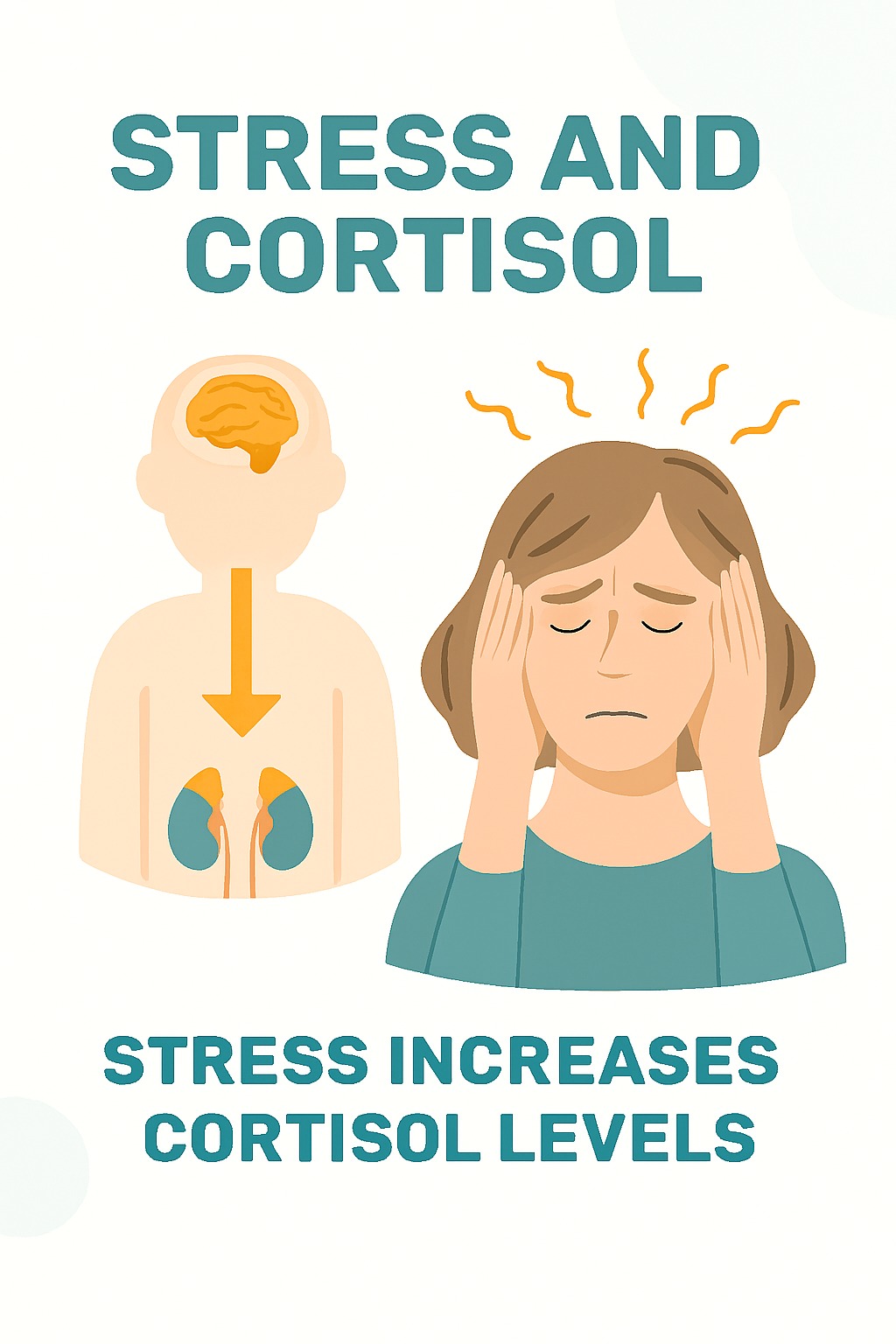
During stress, a hormone called cortisol is produced by our body, that increases energy by raising blood sugar. While acute stress causes temporary cortisol spikes for a "fight-or-flight" response, chronic stress leads to prolonged high cortisol levels, which can negatively affect health by dysregulating the immune system, metabolic processes and other bodily functions. Excess cortisol can elevate our blood pressure, weaken the immune system and increase the risk of heart diseases. It can also contribute to digestive issues, sleep disturbances and weight gain. Stress is not directly fatal, however problems and diseases caused by stress leads to fatality. We have to maintain our mental hygiene to avoid stress. Small steps towards relaxation can be a big leap in our healthcare. The relaxation process may be different for different individuals. One person’s job can be another one’s relaxation. So, talk to someone who can listen to your mind, understand your personal relaxation mechanisms and keep up your mental hygiene which is your ultimate health care.
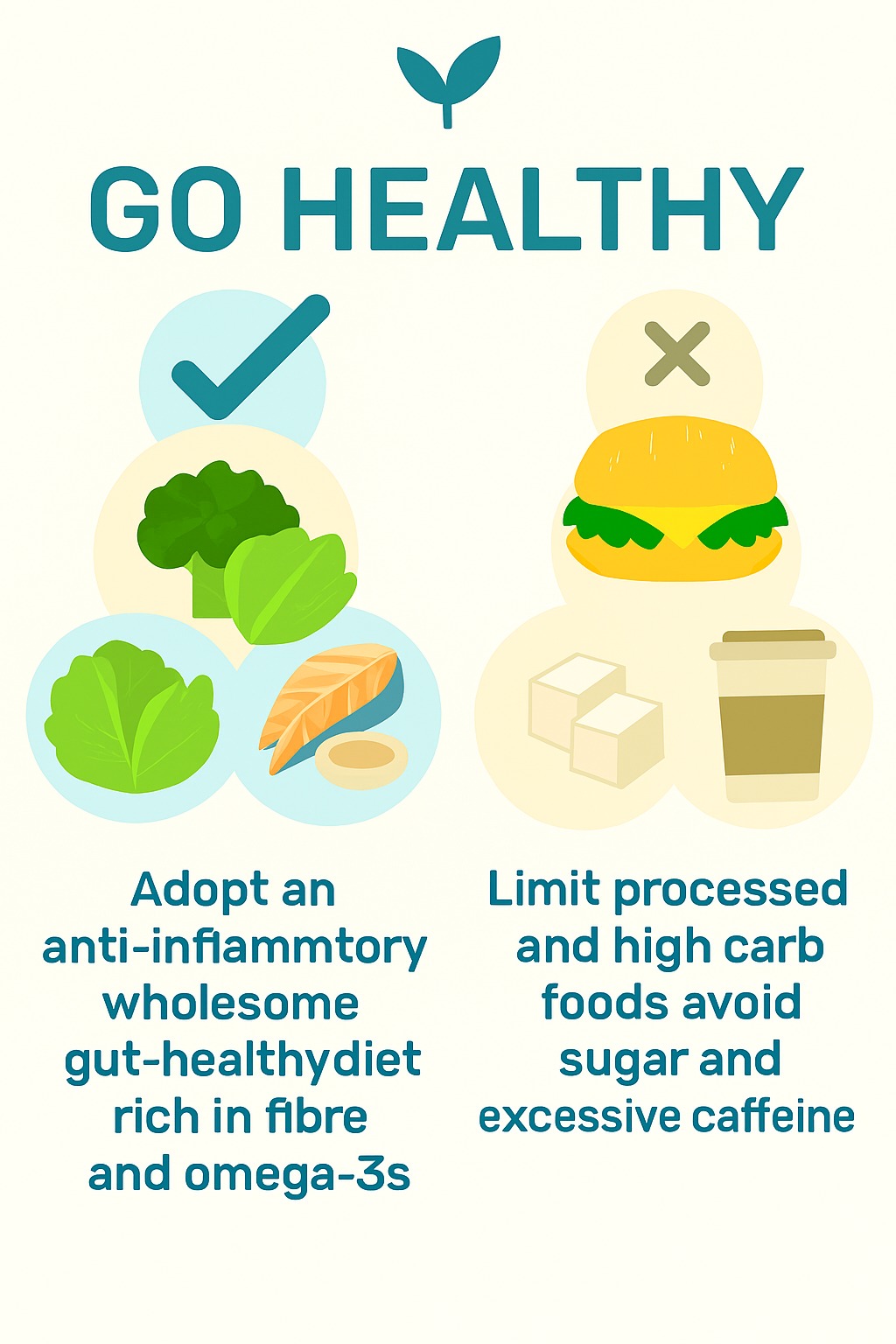
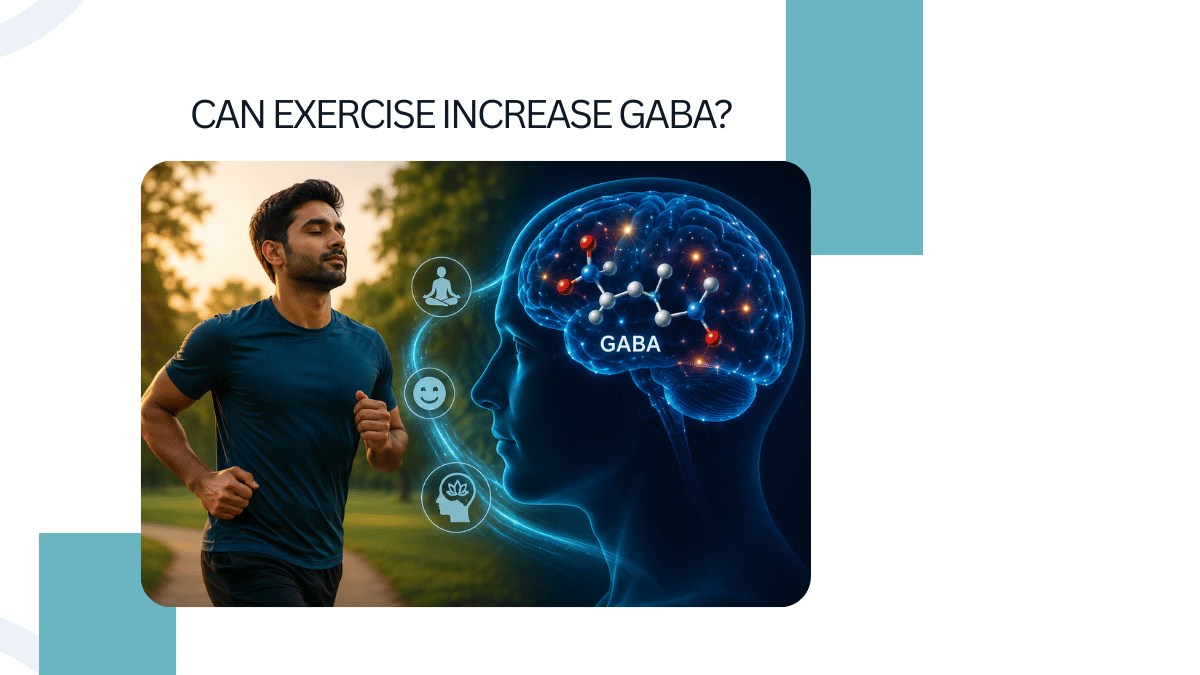
To normalize cortisol levels, focus on managing stress by exercising moderately, practicing relaxation techniques, getting enough quality sleep and fostering positive social connections. Also, try to adopt an anti-inflammatory, wholesome gut-healthy diet rich in fibre and omega-3s, while limiting processed and high carb foods and avoiding sugar and excessive caffeine.


Add a Comment