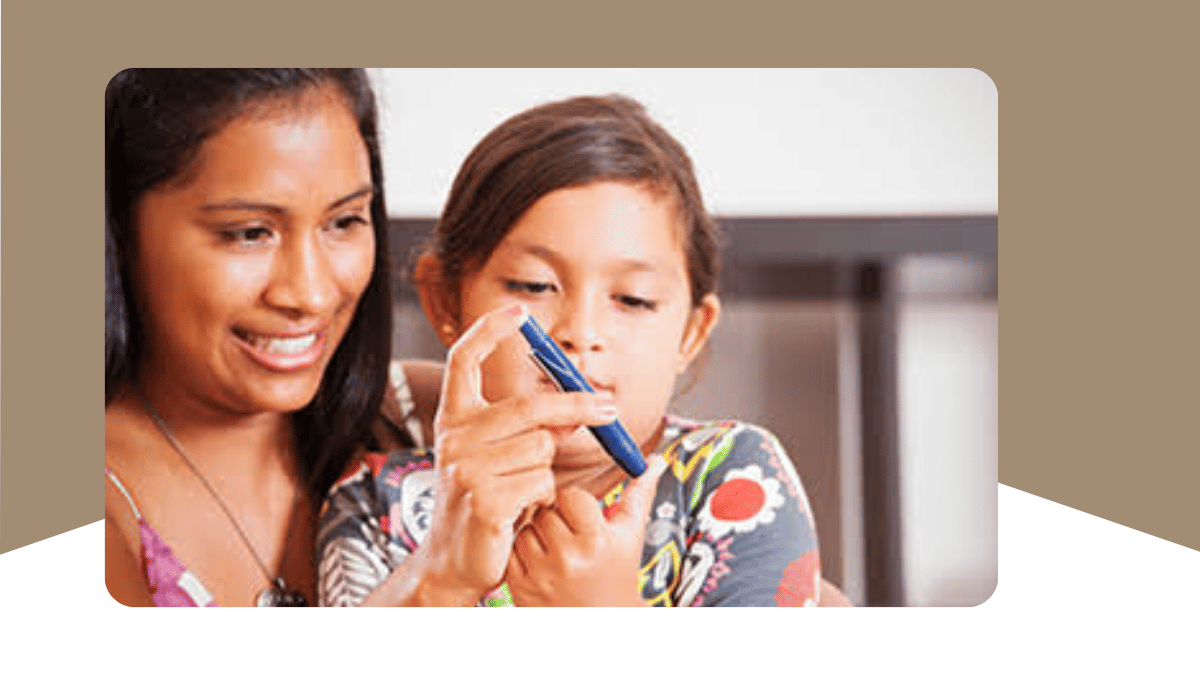
Diabetic ketoacidosis is the most serious acute complication of Type 1 diabetes in children, and it is preventable in the majority of cases in children who are already diagnosed once the family has the knowledge to recognise it and act on it without delay. In my paediatric endocrinology practice at Hulse Clinic, JP Nagar, Bengaluru, every family whose child is newly diagnosed with Type 1 diabetes receives a DKA education session before they leave the clinic with their first insulin prescription, because what a family knows about DKA in the first week after diagnosis may be what prevents an emergency admission in the weeks that follow. As the FAQ on this profile notes, approximately 30 to 40 percent of children with Type 1 diabetes in India present in DKA at the time of diagnosis, often because the symptoms of Type 1 diabetes were not recognised as warning signs earlier. My MRCPCH from the Royal College of Paediatrics and Child Health in the UK and my MSc in Paediatric Endocrinology from the University of Glasgow, combined with specific fellowship exposure at Sick Kids Hospital, Toronto, have trained me in the management of DKA across its full severity spectrum and in the family education that is the most effective prevention.
What Happens in DKA and Why It Develops
Diabetic ketoacidosis develops when the body is completely or near-completely without insulin and is forced to break down fat as an emergency fuel source because glucose cannot enter the cells without insulin to unlock that process. In Type 1 diabetes, the immune system has destroyed the insulin-producing beta cells of the pancreas, so without insulin replacement, the body enters a state of perceived starvation regardless of how much glucose is circulating in the blood. Fat is broken down rapidly into fatty acids, which the liver converts into ketone bodies. Ketones are acidic, and as they accumulate in the blood and are excreted in the urine and breath, the blood becomes progressively more acidic, a state called metabolic acidosis. The combination of high blood glucose, high ketones, and acidosis is diabetic ketoacidosis. DKA develops over hours to days in a newly diagnosed child whose diabetes has not yet been identified, because there has been no insulin at all since the immune system destroyed the beta cells. It can also develop in a known diabetic child when insulin delivery is interrupted: a missed dose, a blocked insulin pump cannula, vomiting that makes it impossible to keep down food or fluids, or illness that dramatically increases the body's insulin requirements beyond what the current dose provides.
DKA Warning Signs and When to Go Directly to the Emergency Department
The warning signs of DKA in a child with known Type 1 diabetes are distinct from the general symptoms of hyperglycaemia and need to be recognised specifically. High blood glucose alone, even very high glucose, does not necessarily mean DKA. DKA is characterised by the addition of ketone accumulation and acidosis on top of hyperglycaemia. The symptoms that should alert a family are: a fruity or sweet smell on the breath, which is the smell of acetone, one of the ketone bodies being excreted through the lungs; vomiting that prevents oral fluid and food intake; abdominal pain that may mimic an acute abdomen; breathing that becomes rapid and deep, a pattern called Kussmaul breathing, which is the body's attempt to compensate for the acid accumulation by blowing off carbon dioxide; and progressive drowsiness or confusion that indicates the acidosis is affecting brain function. Any child with known Type 1 diabetes who has vomiting, fruity breath, abdominal pain, deep rapid breathing, or reduced responsiveness should go directly to the emergency department without delay and without waiting for a clinic appointment. This is the instruction I give to every family at Hulse Clinic, Bengaluru, and I reinforce it at every follow-up consultation.
Sick-Day Rules: Managing Illness at Home and Knowing When It Is Not Enough
Sick-day rules are the practical instructions that allow a family to manage a child with Type 1 diabetes safely during intercurrent illness at home for as long as it remains safe to do so, and to recognise when home management is no longer sufficient. The core sick-day principles are: never stop insulin, even when the child is not eating, because illness increases the body's insulin requirements rather than reducing them; check blood glucose more frequently during illness, at least every two to four hours; check for ketones when blood glucose is above 14 mmol/L or when the child is unwell regardless of glucose level; push oral fluids actively to maintain hydration and to help the kidneys clear ketones; and give correction insulin doses for high glucose as directed by the diabetes team's sick-day protocol. Ketone monitoring is the tool that tells the family whether the sick-day management is working or whether escalation is needed. Trace or small ketones with active correction insulin and improving glucose can often be managed at home. Moderate ketones that are not falling despite correction, or large ketones at any point, require prompt contact with the diabetes team and may require hospital assessment. The sick-day rules I provide to every family at Hulse Clinic, JP Nagar, are written and personalised to the child's current insulin regimen, so that when illness arrives, the family has a clear plan and does not have to make decisions from uncertainty.
To book a consultation with Dr. Anjana Hulse at Hulse Clinic, 635, 8th Main Road, Near Delmia Circle, Jeewan Griha Colony Phase 2, JP Nagar, Bengaluru 560078 (Monday to Friday, 10:30 AM to 1:00 PM and 6:00 PM to 9:00 PM), call +91 94802 60001 or visit linqmd.com/doctor/anjana-hulse
Written by Dr. Anjana Hulse, MBBS (Rajiv Gandhi University), MRCPCH (Royal College of Paediatrics and Child Health, UK), MSc Paediatric Endocrinology (University of Glasgow, passed with distinction), Consultant Paediatrician and Paediatric Endocrinologist, Hulse Clinic, 635, 8th Main Road, Near Delmia Circle, Jeewan Griha Colony Phase 2, JP Nagar, Bengaluru 560078. Monday to Friday, 10:30 AM to 1:00 PM and 6:00 PM to 9:00 PM. 20+ years. 25,000+ patients. Phone: +91 94802 60001.


Add a Comment