













Why does a programmable VP shunt valve need to be checked after an MRI scan?
Programmable VP shunt valves are designed to allow the neurosurgeon to adjust the drainage pressure non-invasively using a magnetic device after surgery — a major advantage over fixed-pressure valves because the setting can be modified without any further procedure if over-drainage or under-drainage becomes apparent. However, this same magnetic sensitivity creates an important clinical risk: strong external magnetic fields, including MRI scanners, can alter the valve's programmed pressure setting unintentionally.
When a programmable valve's pressure setting is changed by an MRI, the result depends on the direction of the change. If the setting moves toward lower pressure, CSF will drain more freely than intended, which can lead to over-drainage, causing headaches when upright (positional headache), subdural collections, or slit ventricle syndrome. If the setting moves toward higher pressure, CSF drains less freely, which can allow intracranial pressure to rise — mimicking shunt failure.
Before any MRI: The current valve setting should be documented and confirmed with the neurosurgical team. Some valve types are more MRI-resistant than others, and the specific valve the patient has determines the level of risk
After any MRI: The valve setting must be checked and, if it has shifted, reprogrammed to the correct setting before the patient leaves the imaging department or is discharged
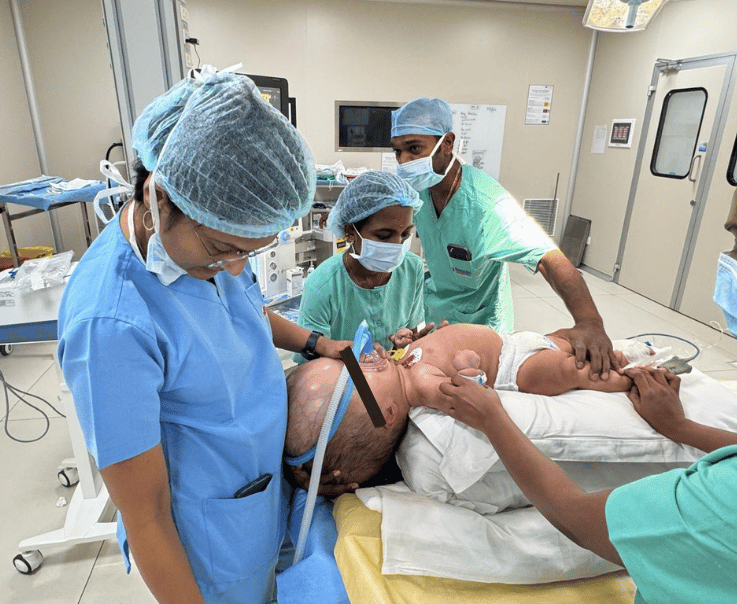
Before any surgical procedure: The anaesthesia team should be informed of the valve type and current setting. If there is any doubt about valve function, a neurosurgical review should be arranged before proceeding
For any future investigation or surgery: The patient or family should carry a card or documentation identifying the valve type and current setting, and present this information proactively to every clinician involved
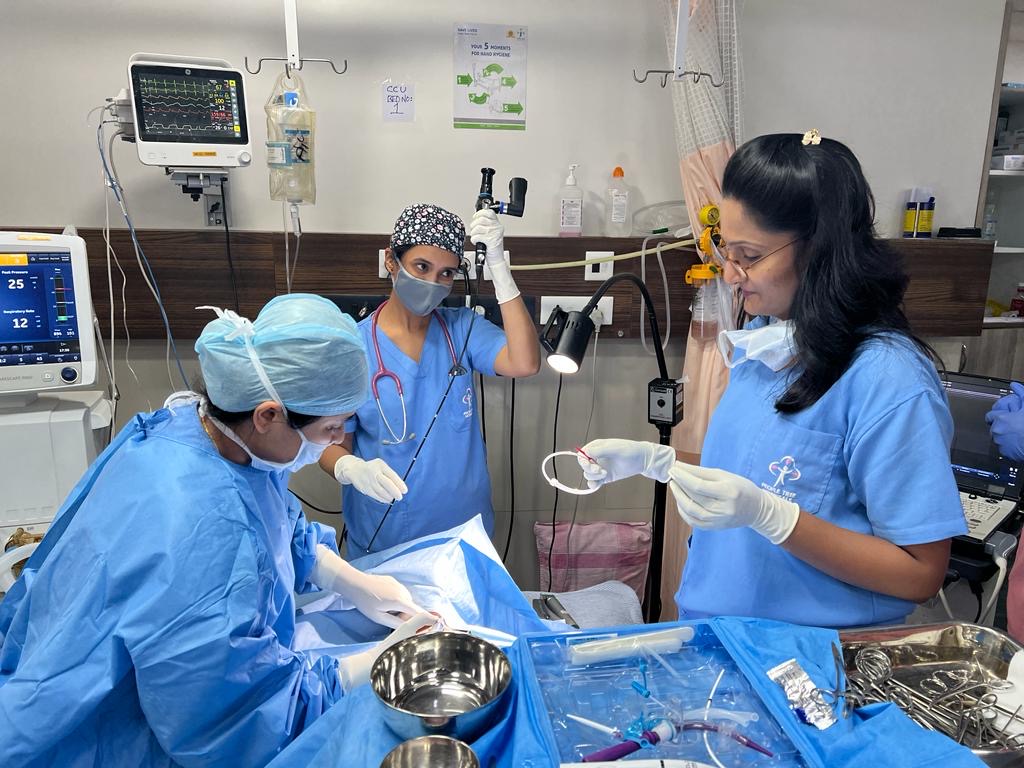
As a Neuroanaesthesiologist at Sparsh Hospital, Hennur, Bengaluru, I specifically ask about programmable shunt valve type and settings in every pre-operative assessment for a patient with a known VP shunt presenting for any surgical procedure, and I coordinate with the neurosurgical team where any uncertainty exists before the anaesthetic is given.