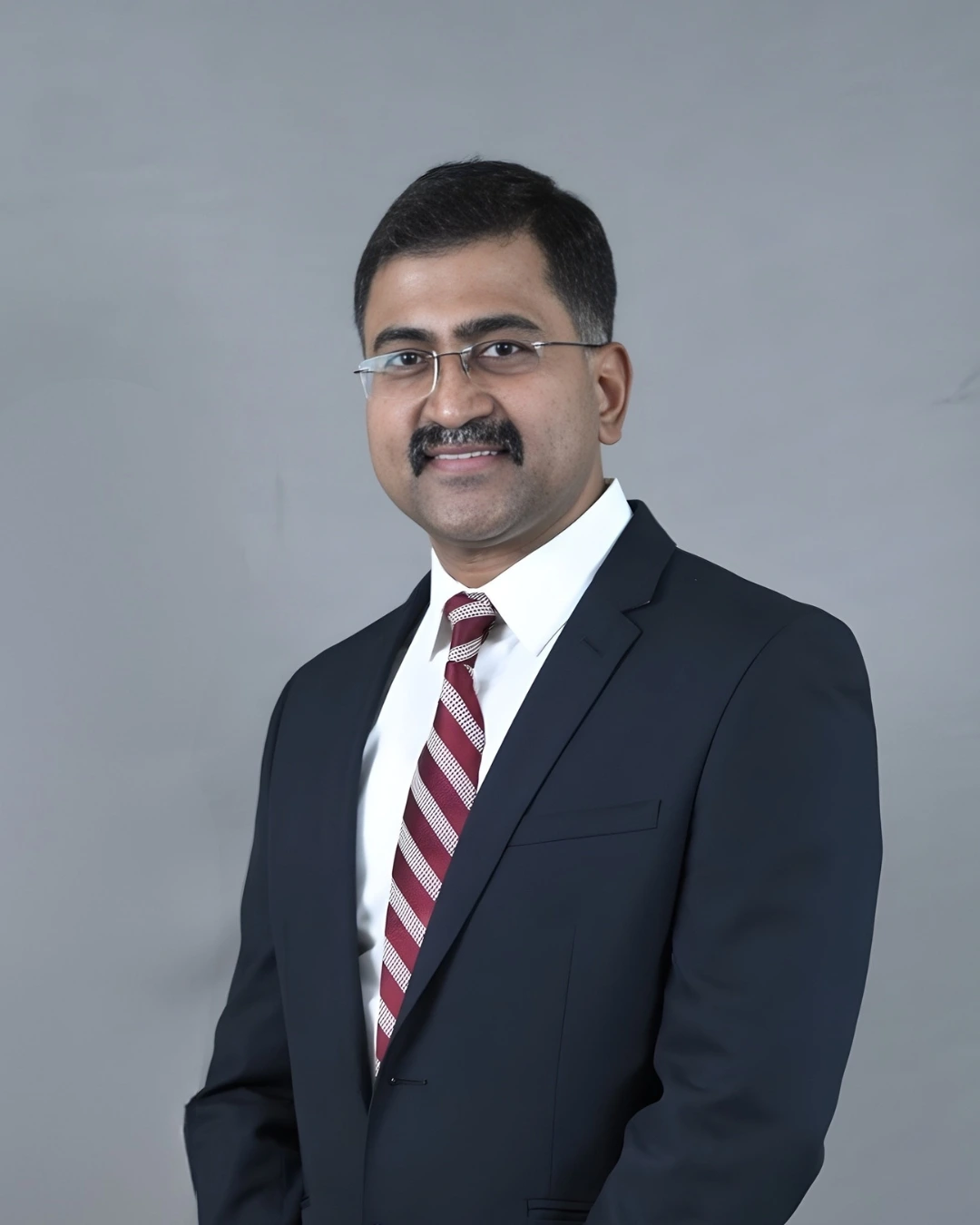

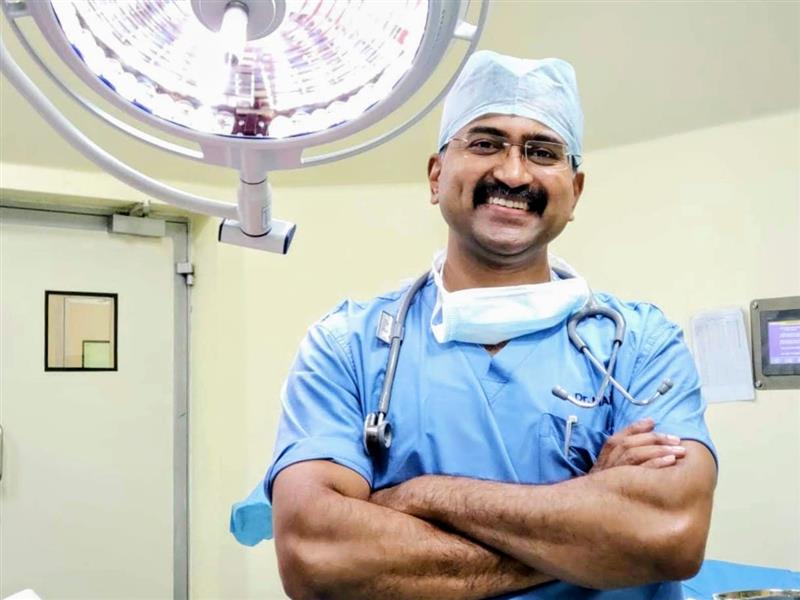


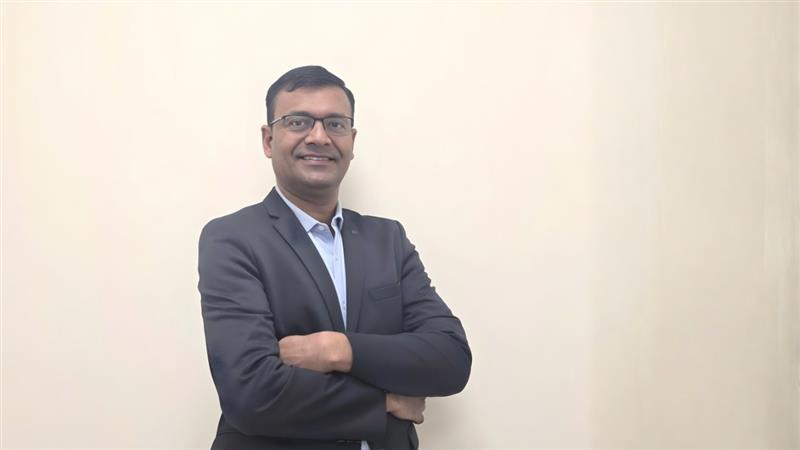

Dr. Mahesh Channappa

Dr. Mahesh Channappa

Lead Consultant - General & Gastrointestinal Surgery, Bariatric Surgery, Minimally Invasive (Laparoscopic/Robotic) Surgery & Laser Proctology

MS, DMAS, FIAGES, FALS (Robotic Surgery), FMBS (Bariatric & Metabolic Surgery), FIAS, MRCS (Training), MBA (Healthcare Management)

26+ Years of Experience

LinQ Card

About Dr. Mahesh Channappa

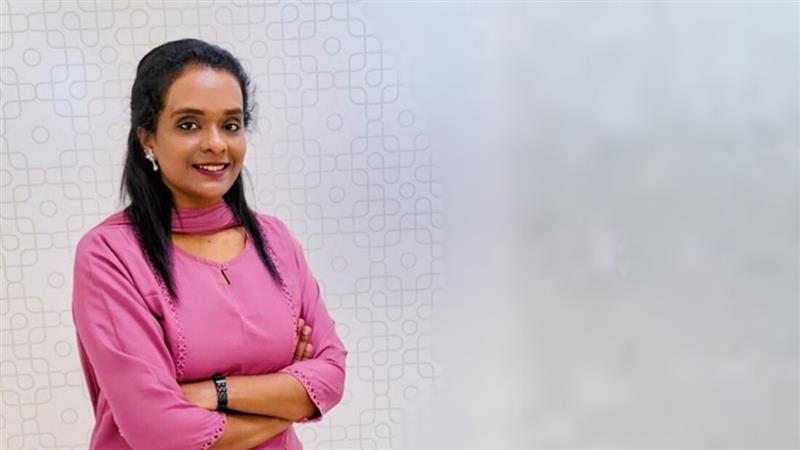
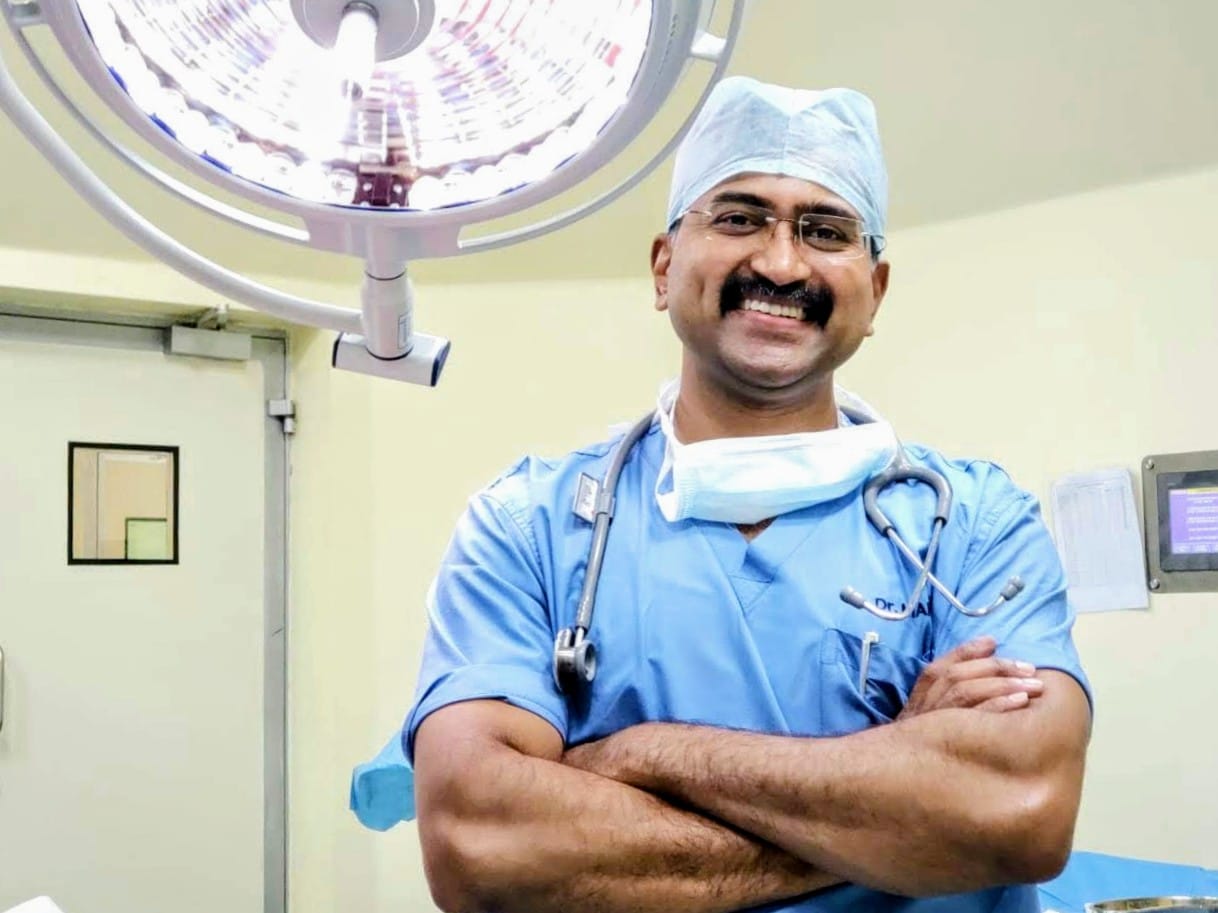
Dr. Mahesh Channappa is a seasoned surgeon with nearly 30 years of experience in General and Gastrointestinal Surgery. Based in central Bengaluru, he has trained and worked at top hospitals in India and UK, gaining extensive expertise in Minimally Invasive Gastro & General Surgeries, Robotic Surgeries, and Metabolic & Bariatric Surgeries. Known for his calm, precise, and compassionate approach, Dr. Mahesh Channappa is committed to delivering expert patient care, mentoring future surgeons, and staying at the forefront of surgical innovations. He currently serves as a Professor and Lead Consultant at Sparsh Hospital, where he specializes in advanced surgical procedures and academic excellence.


https://d2vvc091k8tmib.cloudfront.net/s3fs-public/2026-02/WhatsApp%20Image%202026-02-03%20at%209.09.13%20PM.jpeg

Dr. Mahesh Channappa specializes in advanced General and Gastrointestinal Surgery with a strong focus on minimally invasive, laparoscopic, and robotic procedures in Bangalore. His core areas of expertise include bariatric and metabolic surgery for weight loss, complex ventral and incisional hernia repair, colorectal surgery, and advanced laparoscopic gastrointestinal surgeries such as fundoplication, rectopexy, and Heller’s myotomy. He is also highly skilled in laser proctology for piles, fissures, and fistula, offering faster recovery and minimal discomfort. Dr. Mahesh performs non-cardiac thoracic surgeries and has extensive experience in urological and minimally invasive surgical procedures. With over 24+ years of surgical experience and training in the UK National Health Service, he combines precision, safety, and innovation in every procedure. His expertise in robotic and laparoscopic surgery in Bangalore ensures reduced pain, shorter hospital stays, and excellent long-term outcomes for patients.


https://d2vvc091k8tmib.cloudfront.net/s3fs-public/2026-02/WhatsApp%20Image%202026-01-29%20at%2010.03.46%20AM%20%281%29.jpeg

Dr. Mahesh Channappa's Areas of expertise

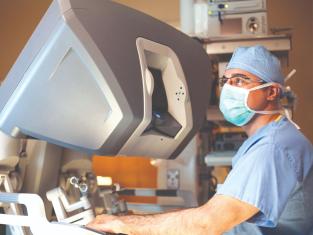
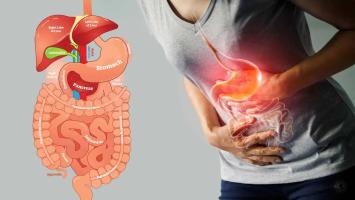
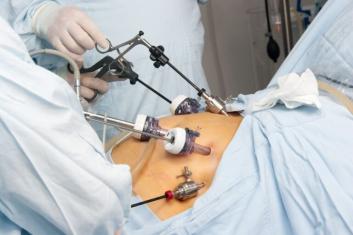
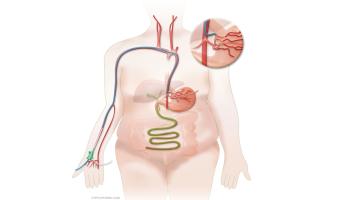
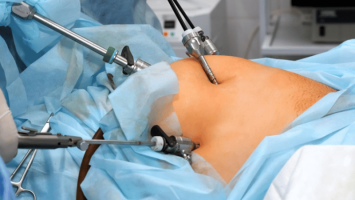
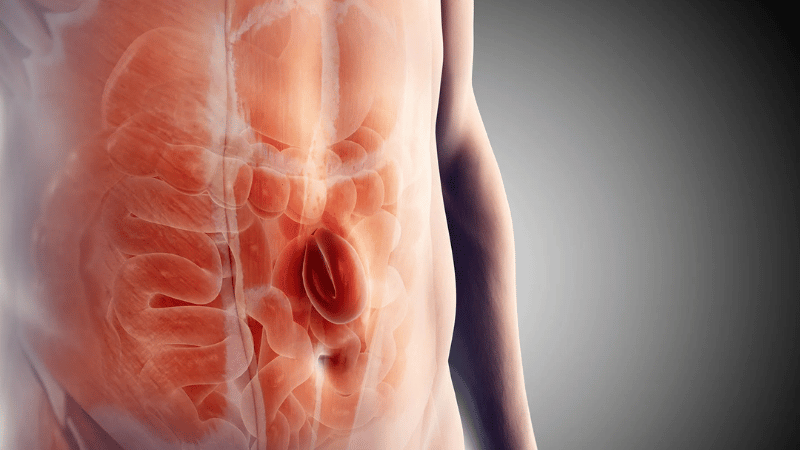
  • Robotic and Laparoscopic Gastrointestinal Surgeries: Minimally invasive techniques used to treat complex and routine conditions affecting the stomach, intestines, and pancreas, resulting in reduced pain and quicker recovery.
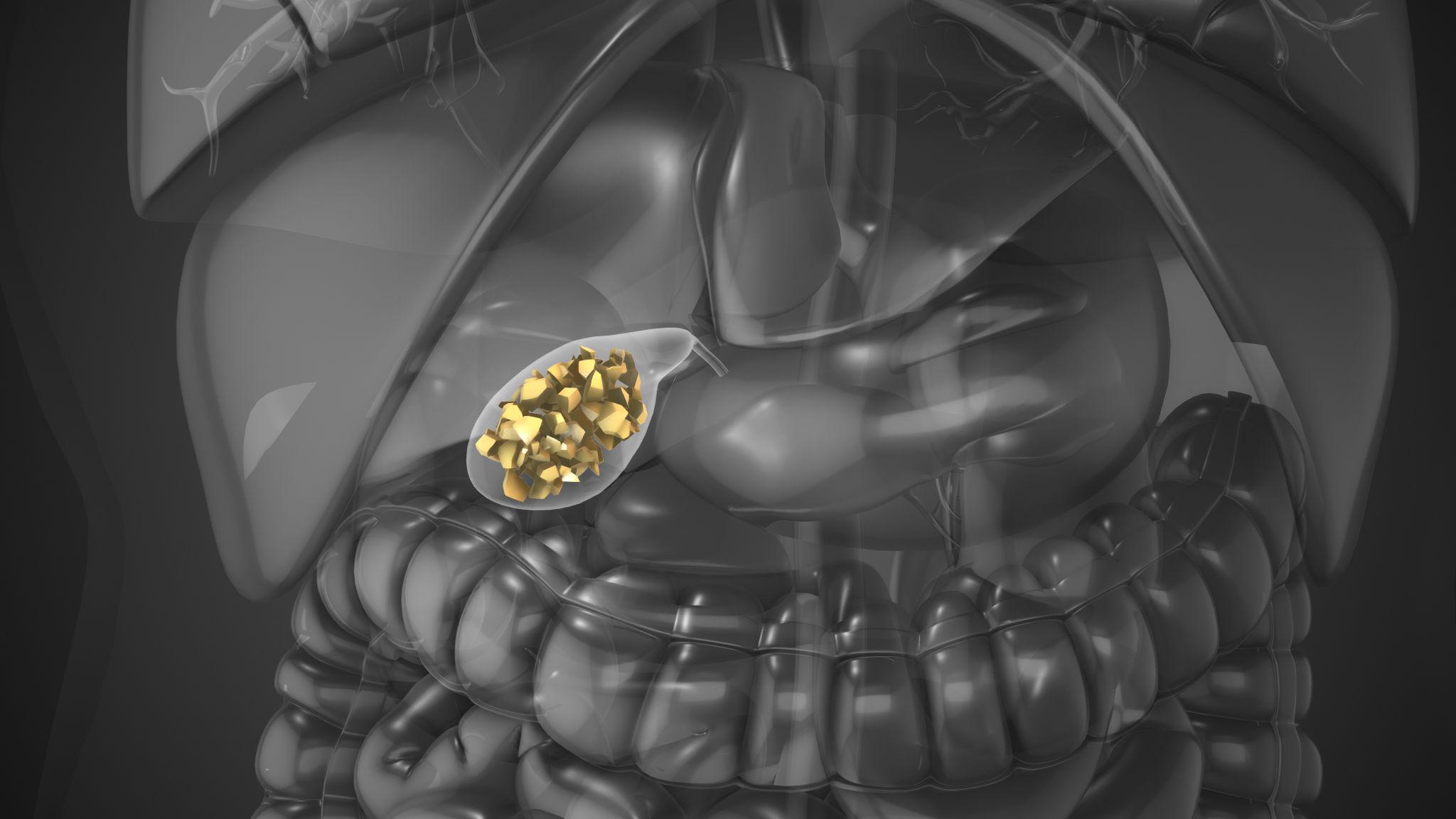
  • Gallbladder, Small Bowel, and Colorectal Procedures: Surgical management of gallstones, small bowel obstructions, and colorectal diseases like cancers and inflammatory conditions, often performed laparoscopically for minimal invasiveness.
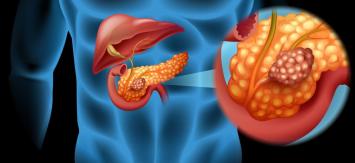
  • Pancreatic Surgery: Treatments for pancreatic cysts, tumors, and other diseases using specialized minimally invasive techniques to improve outcomes and reduce complications.
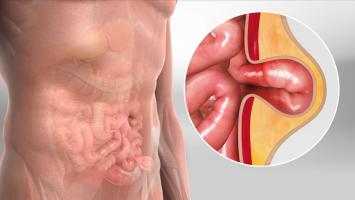
  • Laparoscopic/Robotic Abdominal Wall Hernia Repairs: Advanced surgery to repair ventral, inguinal, and other abdominal wall hernias with minimally invasive methods, promoting faster healing.
  • Bariatric and Metabolic Surgery: Procedures like sleeve gastrectomy and gastric bypass that help with weight loss and metabolic health improvement in obese patients.
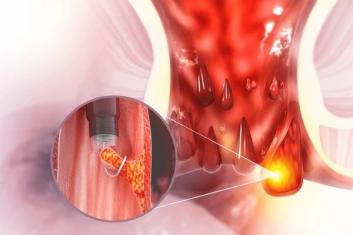
  • Laser Proctology: Minimally invasive laser treatments for hemorrhoids, fissures, fistulas, and pilonidal sinus, offering pain-free recovery and excellent results.
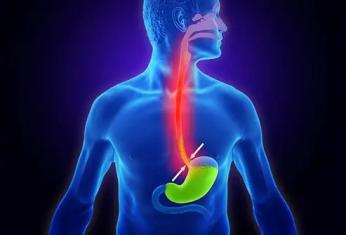
  • Anti-reflux Surgery: Surgical options such as fundoplication to treat acid reflux or GERD, preventing stomach acid from flowing back into the esophagus.
  • Upper GI, Colorectal, and Vascular Interventions: Surgical management of diseases of the upper gastrointestinal tract, colorectal system, and vascular conditions, utilizing minimally invasive approaches for better outcomes. 


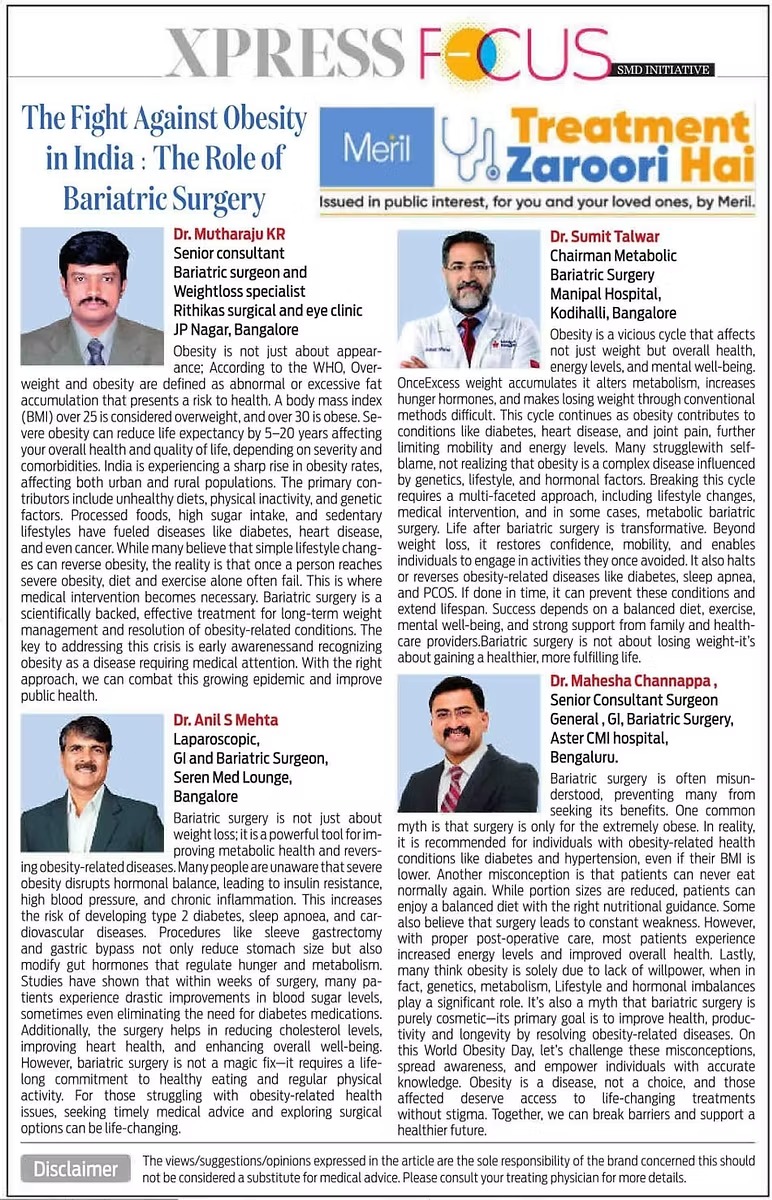
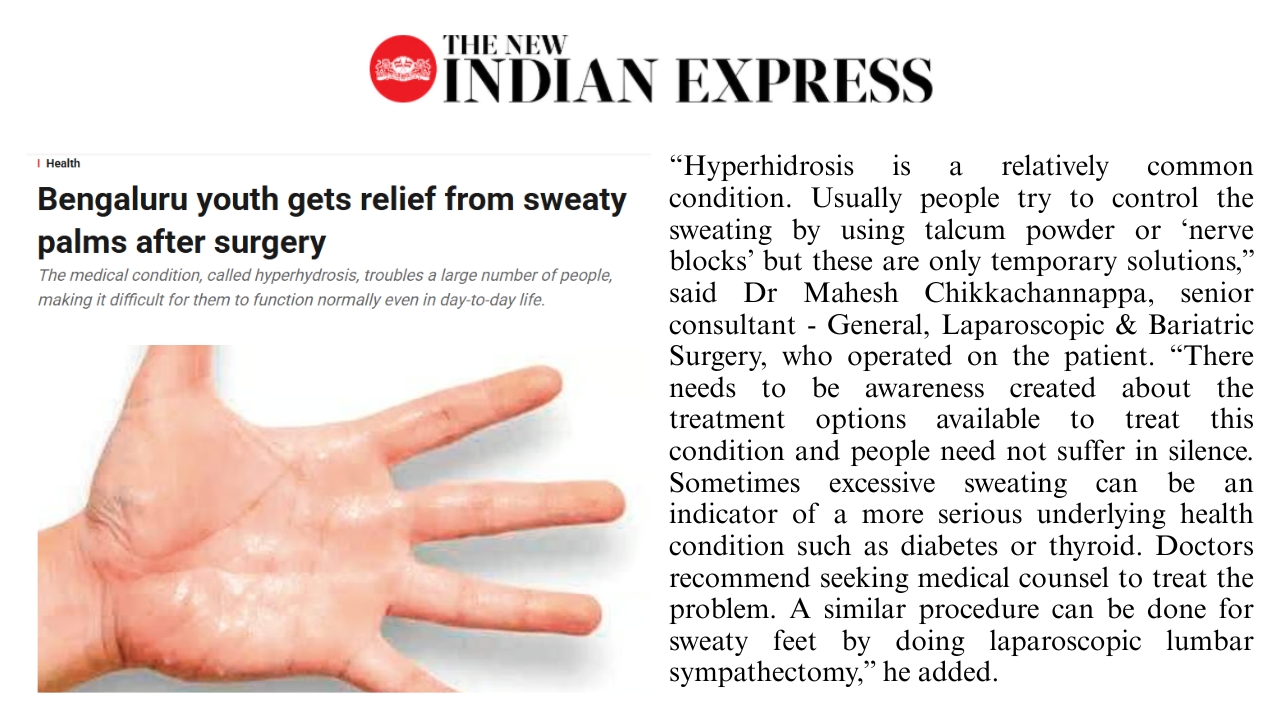
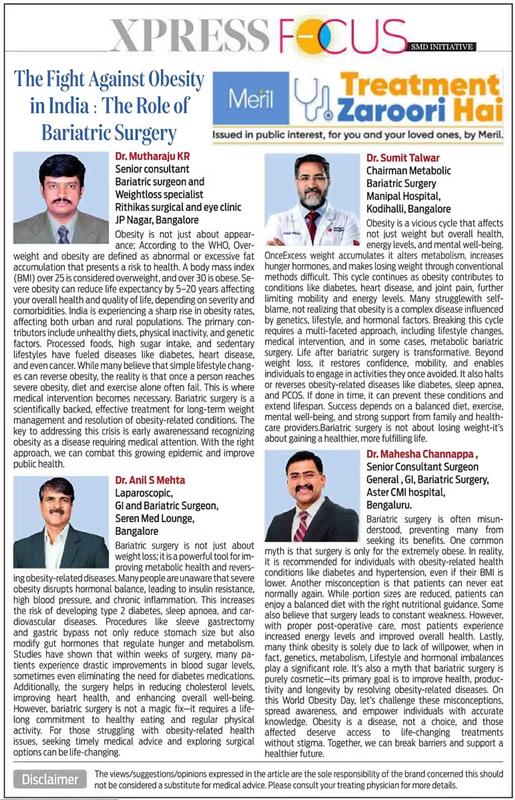
Dr. Mahesh Channappa was quoted in The New Indian Express industry feature on "Fight Against Obesity" on page 03 of the Bangalore edition.  


Awards

Best Paper Award – “Sclerotherapy for Varicose Veins”, awarded by the Association of Surgeons of India (ASI), Bangalore Chapter


Publications

Laser Hemorrhoidectomy – Our Experience
Indian Journal of Surgery Science, June 2021

Management of Gallstones in Obesity Surgery – A Review
SAS Journal of Surgery, August 2021

Umbilical Endometriosis – A Case Report
International Journal of Scientific Research, September 2021

Piles & Pandemic – A Review
International Journal of Scientific Research, October 2021


  • M.B.B.S. – J.S.S. Medical College, Mysore University
  • M.S. (General Surgery) – Dr. B. R. Ambedkar Medical College, Rajiv Gandhi University of Health Sciences
  • MBA in Healthcare Management – Suresh Gyan Vihar University, Rajasthan
  • FAIS – Fellow of the Association of Surgeons of India
  • FIAGES – Fellow of the Indian Association of Gastrointestinal Endo Surgeons
  • FALS – Fellowship in Advanced Laparoscopic Surgery
  • FMBS – Fellowship in Bariatric & Metabolic Surgery
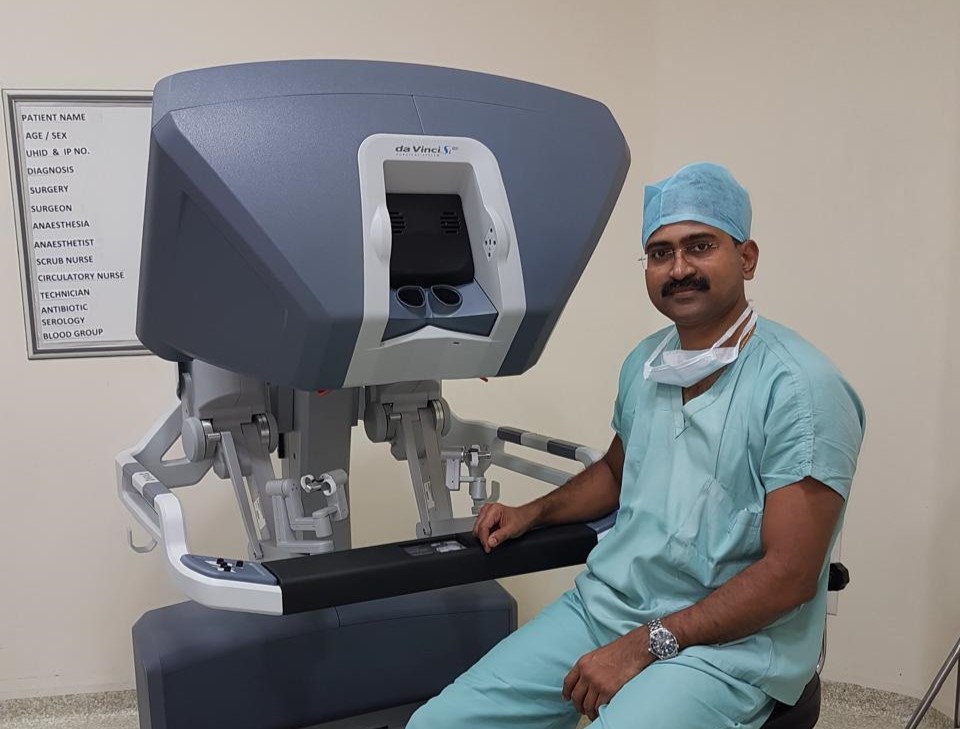
  • Robotic Surgery Training – Certified training including Da Vinci robotic systems
  • UK Surgical Training – Completed 3-year structured surgical training with the National Health Service (NHS), United Kingdom

Conditions and Treatments

Robotic and Laparoscopic Gastrointestinal Surgeries

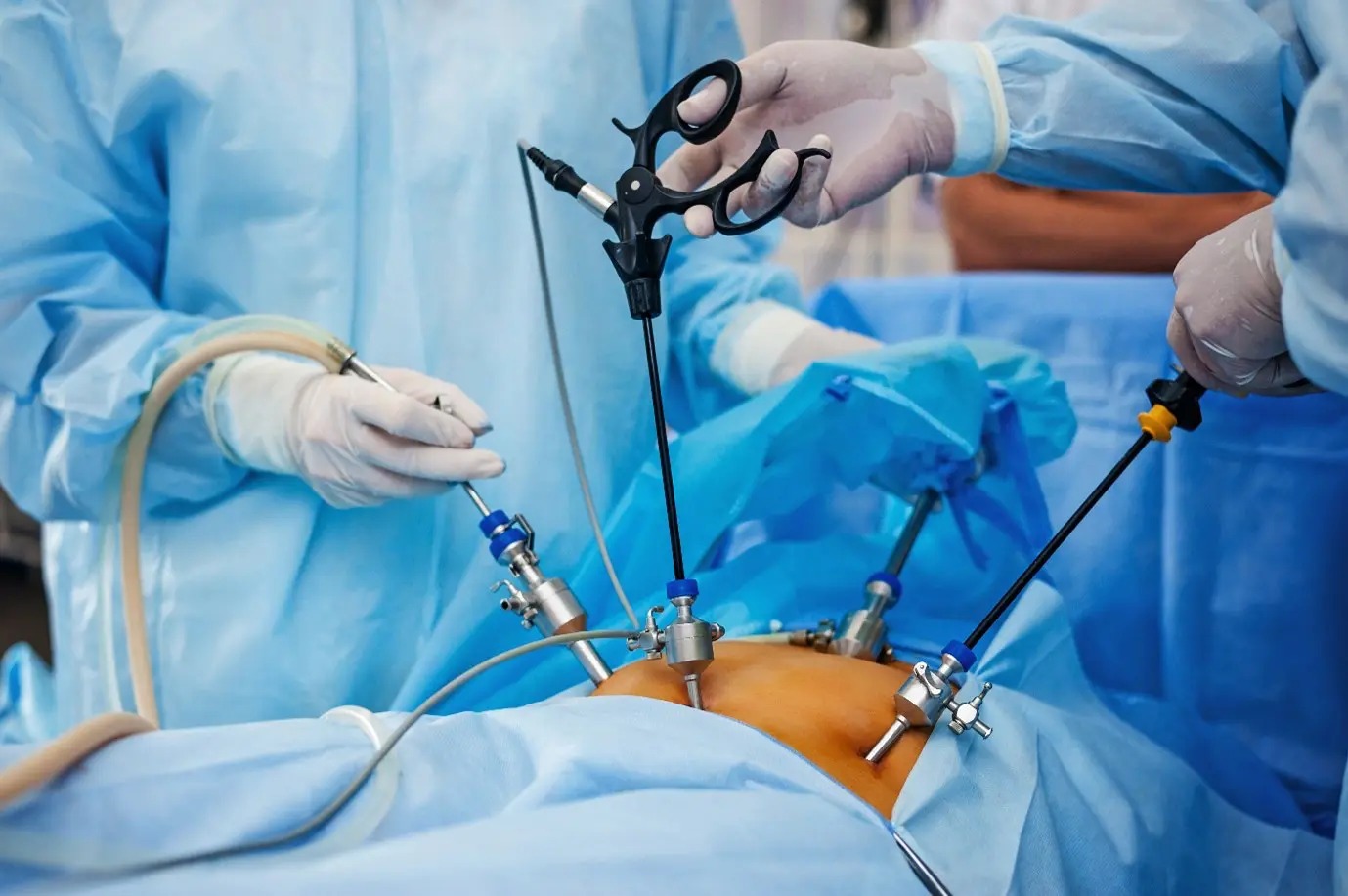
Robotic and laparoscopic techniques are advanced minimally invasive procedures used to treat complex and routine conditions affecting the stomach, intestines, and pancreas. These procedures significantly reduce post-operative pain, minimize scarring, and promote faster recovery. Mahesh Channappa is renowned for his expertise in mastering these techniques, ensuring precision and safety in every surgery. His dedication to excellence allows him to handle delicate gastrointestinal cases with exceptional care, always prioritizing patient outcomes and comfort.

Gallbladder, Small Bowel, and Colorectal Procedures

Surgical management of gallstones, small bowel obstructions, and colorectal diseases like cancers and inflammatory conditions is essential for restoring health. Mahesh Channappa employs laparoscopic techniques to perform these surgeries with minimal invasiveness, leading to shorter hospital stays and quicker return to daily activities.

Pancreatic Surgery
Pancreatic Surgery

Treating pancreatic cysts, tumors, and other pancreatic diseases requires specialized surgical skills due to the organ's complexity and location. Dr. Mahesh Channappa utilizes minimally invasive techniques tailored for optimal outcomes, reduction of complications, and faster recovery. His excellence makes him a leader in pancreatic surgeries, ensuring each patient receives expert, compassionate care.

Laparoscopic/Robotic Abdominal Wall Hernia Repairs

Hernia repairs are common yet delicate surgeries that require precision to prevent recurrence and ensure quick healing. Dr. Mahesh Channappa employs state-of-the-art laparoscopic and robotic methods to repair ventral, inguinal, and other abdominal wall hernias. His expertise in minimally invasive repair techniques translates to less pain, faster recovery, and durable results.

Bariatric and Metabolic Surgery

In the fight against obesity, Dr. Mahesh Channappa offers effective bariatric procedures such as sleeve gastrectomy and gastric bypass. These surgeries play a pivotal role in significantly reducing weight and managing related metabolic conditions like diabetes. His surgical excellence and thorough pre-and post-operative care ensure patients achieve their health goals safely. His dedication to personalized treatment plans makes him a leading figure in the field of metabolic surgery.

Laser Proctology
Laser Proctology

Laser proctology involves minimally invasive treatment options for anal and rectal conditions like hemorrhoids, fissures, fistulas, and pilonidal sinus. Dr. Mahesh Channappa emphasizes pain-free procedures with quick recovery times, vastly improving patient comfort and outcomes. His mastery of laser technology and meticulous approach ensure precise treatment with minimal discomfort.

Anti-reflux Surgery
Anti-reflux Surgery

Gastroesophageal reflux disease (GERD) can severely impact quality of life, but anti-reflux surgeries like fundoplication offer definitive relief. Mahesh Channappa employs advanced techniques to perform these procedures, effectively preventing acid reflux and promoting long-term symptom control. His expertise ensures precise surgical intervention, minimizing complications and enhancing patient comfort.

Upper GI, Colorectal, and Vascular Interventions

Managing diseases of the upper gastrointestinal tract, colorectal system, and vascular conditions demands specialized surgical skills. Dr. Mahesh Channappa’s proficiency in minimally invasive techniques ensures precise treatment of complex conditions such as tumors, blockages, and vascular issues. His deep knowledge and compassionate approach provide patients with effective solutions, reduced risk, and quicker recovery.

Laparoscopic Inguinal Hernia Repair (TEP and TAPP)

Inguinal hernia, the most common hernia type accounting for approximately 75 percent of all hernias, is repaired laparoscopically using two established techniques: TEP (Totally Extraperitoneal), which accesses the preperitoneal space without entering the peritoneal cavity, and TAPP (Transabdominal PrePeritoneal), which approaches the hernia from within the abdomen. Both techniques place a mesh patch behind the abdominal wall to reinforce the defect durably and reduce long-term recurrence. The most clinically significant advantage of laparoscopic inguinal hernia repair is that bilateral hernias can be repaired through the same three small incisions in a single anaesthetic, with most patients discharged the same day and returning to desk work within one week. Dr. Mahesh Channappa, with FALS Fellowship in Advanced Laparoscopic Surgery and UK NHS 3-year structured surgical training, performs laparoscopic inguinal hernia repair at Aster CMI Hospital, Sahakar Nagar, Bengaluru, selecting TEP or TAPP based on each patient's hernia anatomy and surgical history.

Robotic Hernia Repair for Complex and Incisional Hernias

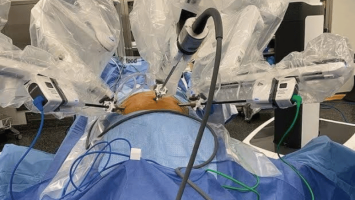
Robotic-assisted hernia repair extends the precision and dexterity of minimally invasive surgery to hernia presentations where standard laparoscopic instruments reach their technical limits: large incisional hernias with multiple defects, recurrent hernias where previous repair has created scarring and altered anatomy, hernias requiring component separation to achieve tension-free fascial closure in major ventral defects, and complex cases where the confined space and technical demands benefit from robotic three-dimensional visualisation and multi-articulating instrument movements that laparoscopic instruments cannot replicate. Dr. Mahesh Channappa, with Da Vinci robotic surgery training and 26 years of minimally invasive surgical experience, performs robotic hernia repair at Aster CMI Hospital, Sahakar Nagar, Bengaluru, selecting robotic technique for the cases where it provides a meaningful clinical advantage over standard laparoscopic repair.

Doctor Team

Dr. Mohammed Farooq Khateeb
Name: Dr. Mohammed Farooq Khateeb

Qualification: MBBS, MS (General Surgery), FMBS, (Metabolic & Bariatric Surgery)

Speciality: General and Metabolic & Bariatric Surgeon

Dr. Mohammed Farooq Khateeb is a highly experienced General and Metabolic & ...

Dr. Mohammed Farooq Khateeb is a highly experienced General and Metabolic & Bariatric Surgeon with over 19 years of clinical expertise. Trained at reputed institutions, he has worked across leading hospitals in Bangalore and is currently a Senior Consultant at Aster CMI Hospital. Known for his academic contributions and teaching roles, he is actively involved in DNB training programs and national conferences. His practice combines surgical precision with a strong commitment to patient-centered care.

Read more
 Dr. Chaithannya N S
Name: Dr. Chaithannya N S

Qualification: MBBS, DA, MD, DNB(Anesthesia), FIPM (Pain Management), MBA in Healthcare Management

Speciality: Consultant – Anesthesiology and Pain Management

Dr. Chaithannya N S is an anesthesiologist with special expertise in Pediatric A...

Dr. Chaithannya N S is an anesthesiologist with special expertise in Pediatric Anesthesia, Regional Anesthesia, and Pain Management. She is deeply passionate about regional anesthesia techniques that promote low opioid use and faster postoperative recovery in both adults and children. A strong advocate for effective pain control as a patient’s right, she focuses on comprehensive pain management across acute postoperative, chronic, and cancer-related conditions.

With a patient-centered and safety-focused approach, Dr. Chaithannya combines clinical precision with compassion to ensure comfort and positive perioperative experiences. She has actively contributed to the field of anesthesiology through national and international presentations, peer-reviewed publications, and invited talks, reflecting her commitment to advancing safe anesthesia practices and high-quality perioperative care.

Read more
 Dr. Keerthana
Name: Dr. Keerthana

Qualification: MBBS, DNB (General Surgery)

Speciality: Registrar – General Surgery

Dr. Keerthana completed her MBBS in 2019 from RIMS, Ongole, and pursued her DNB ...

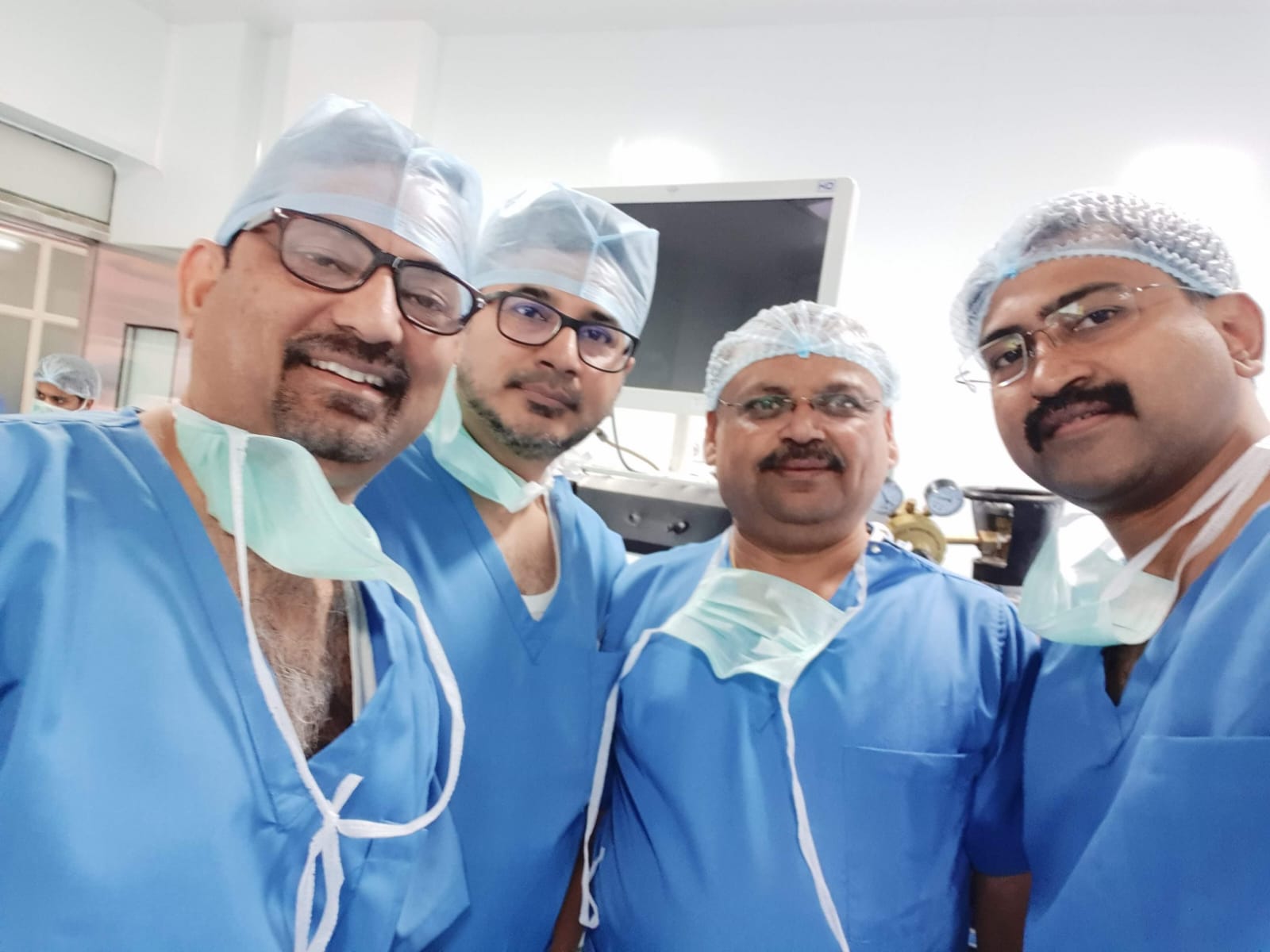
Dr. Keerthana completed her MBBS in 2019 from RIMS, Ongole, and pursued her DNB in General Surgery at Aster CMI Hospital, where she received structured training under the mentorship of Dr. Mahesh Chikkachannappa. She gained focused expertise in laparoscopy and laser proctology, with extensive hands-on experience in laparoscopic procedures under the guidance of Dr. Mahesh Chikkachannappa and Dr. Mohammed Farooq Khateeb.

Currently, she works as Registrar in General Surgery, continuing to refine her surgical skills and clinical judgment through active involvement in operative care and emergency services. She is known for her disciplined training background, strong clinical acumen, and patient-centred approach to surgical care.

Read more
 Dr. Rajesh Dommaraju
Name: Dr. Rajesh Dommaraju

Qualification: MBBS

Speciality: Senior Resident Doctor and Coordinator in General and GI Surgery

Dr. Rajesh Dommaraju is a dedicated medical professional with over 15 years of c...

Dr. Rajesh Dommaraju is a dedicated medical professional with over 15 years of clinical experience following his MBBS graduation. He is known for his strong foundation in patient care, accurate clinical diagnosis, and evidence-based medical practice, combined with a compassionate approach and clear communication.

With more than a decade of hands-on experience in multidisciplinary healthcare settings, he has managed a wide range of medical and surgical conditions while maintaining high standards of safety and professionalism. Dr. Rajesh is highly skilled in assisting in operation theatres for General and GI surgeries and is proficient in managing routine surgical procedures in both elective and emergency ward settings. He is widely appreciated for his reliability, teamwork, and ability to build trust with patients and colleagues, making him a valuable member of the surgical team.

Read more

Dr. Mahesh Channappa's Expert Tips & Health Insights

Latest

Articles by Dr. Mahesh Channappa

https://d2vvc091k8tmib.cloudfront.net/s3fs-public/2026-08/Hernia%20Types%2C%20When%20Surgery%20Is%20Necessary%2C%20and%20What%20Modern%20Repair%20Involves.png
https://d2vvc091k8tmib.cloudfront.net/s3fs-public/2026-02/Dr.%20Mahesh%20Channappa%201.webp
By: Dr. Mahesh Channappa
26 August 2026

Hernia: Types, When Surgery Is Necessary, and What Modern Repair Involves

A complete guide to hernia types, when surgery is necessary, and what laparoscopic and robotic hernia repair involves, by a Fellowship-trained laparoscopic and robotic surgeon with 26 years and UK NHS training, at Aster CMI Hospital, Bengaluru.
Read More
https://d2vvc091k8tmib.cloudfront.net/s3fs-public/2026-05/Acid%20Reflux.jpg
https://d2vvc091k8tmib.cloudfront.net/s3fs-public/2026-02/Dr.%20Mahesh%20Channappa%201.webp
By: Dr. Mahesh Channappa
30 April 2026

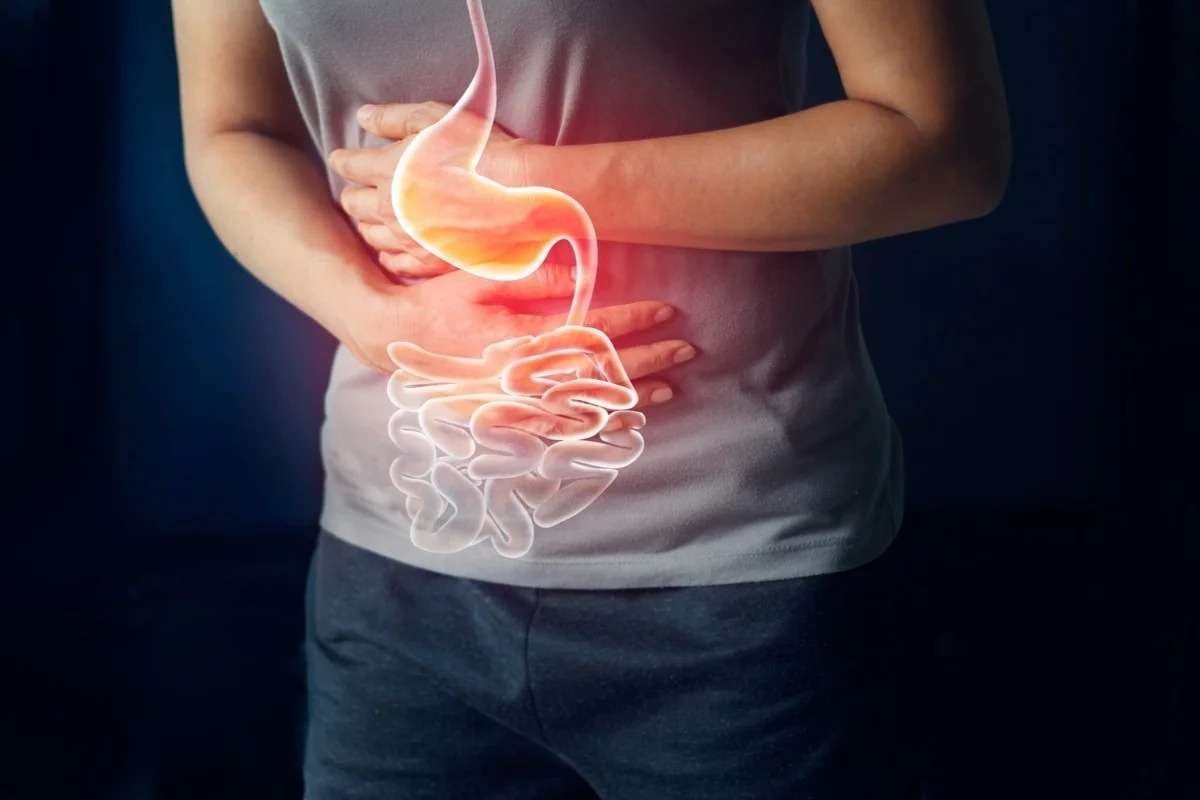
Acid Reflux (GERD): When Medication Fails, Is Surgery the Answer?

Struggling with GERD despite medication? Learn when surgery is needed for acid reflux, its benefits, risks, and how it can provide long-term relief and improve quality of life.
Read More
https://d2vvc091k8tmib.cloudfront.net/s3fs-public/2026-04/S-n4hM3IZ6DRHp0QJIiD3pfSdHK6197_vFZsJ0Pxs6X2iSFsO2k_nD8792MgD_3geVvHyPF01TCDmftXWjAjAFaxboFLIEKCO1LM-Q_NgWUR2Bzuph9q98DW5O1P-6LZUUUhCUIAjARpsjp2tDKkEBqK0j_FKOUJm3CYZi3Y1isaDyX_gmSBpfPZHtT9LQ6x.jpg
https://d2vvc091k8tmib.cloudfront.net/s3fs-public/2026-02/Dr.%20Mahesh%20Channappa%201.webp
By: Dr. Mahesh Channappa
30 April 2026

Gallstones: When Do You Really Need Surgery?

Gallstones are a common digestive problem affecting millions of people worldwide. These are hardened deposits that form in the gallbladder, often made of cholesterol or bilirubin.
Read More
https://d2vvc091k8tmib.cloudfront.net/s3fs-public/2025-07/WhatsApp%20Image%202025-07-30%20at%2013.37.02_0061865a.jpg
https://d2vvc091k8tmib.cloudfront.net/s3fs-public/2026-02/Dr.%20Mahesh%20Channappa%201.webp
By: Dr. Mahesh Channappa
30 July 2025

Charting the Future of Minimally Invasive Surgery

Explore the evolution of minimally invasive surgery—from basic laparoscopy to advanced robotic techniques—enhancing precision, faster recovery, and better patient outcomes.
Read More
https://d2vvc091k8tmib.cloudfront.net/s3fs-public/2025-07/WhatsApp%20Image%202025-07-30%20at%2013.37.29_ba30b0ba.jpg
https://d2vvc091k8tmib.cloudfront.net/s3fs-public/2026-02/Dr.%20Mahesh%20Channappa%201.webp
By: Dr. Mahesh Channappa
30 July 2025

Navigating the Intricate World of Digestive Disorders

Discover expert insights into complex digestive disorders, including cancers, hernias, and pancreatic diseases, with advanced surgical techniques for better outcomes and recovery.
Read More
https://d2vvc091k8tmib.cloudfront.net/s3fs-public/2025-07/WhatsApp%20Image%202025-07-30%20at%2013.42.21_b15d0d2a.jpg
https://d2vvc091k8tmib.cloudfront.net/s3fs-public/2026-02/Dr.%20Mahesh%20Channappa%201.webp
By: Dr. Mahesh Channappa
30 July 2025

The Art of Precision How 30 Years of Experience Shapes Surgical Outcomes

Learn how 30+ years of experience in laparoscopic, bariatric and GI surgery improves precision, safety and patient outcomes with advanced techniques and expert care.
Read More

Podcasts by Dr. Mahesh Channappa

Dr. Mahesh Channappa's Patient Testimonial Reviews

Leave a Review

Patient Reviews

Dr. Mahesh Channappa

Leave a Review

Frequently Asked Questions

Frequently Asked Questions

View all

When is robotic hernia repair better than standard laparoscopic hernia repair?

For straightforward inguinal hernias and many umbilical hernias, standard laparoscopic repair using TEP or TAPP produces excellent outcomes and the additional complexity and cost of robotic-assisted surgery is not justified. But there is a specific category of hernia cases where robotic assistance changes what is technically achievable, and these are the cases where I bring the Da Vinci robotic platform into the operation at Aster CMI Hospital, Bengaluru. Large incisional hernias represent the clearest case for robotic assistance. An incisional hernia that develops at the site of a previous large abdominal incision may involve a defect that is many centimetres wide, potentially with multiple separate defects across the old wound, and significant scarring from the previous surgery that makes dissection and tissue mobilisation demanding. Achieving a tension-free fascial closure in this setting, often requiring component separation where the layers of the abdominal wall are divided and mobilised to bring them together across the defect, is technically among the most demanding operations in hernia surgery. The robotic system provides three-dimensional high-definition visualisation of the operative field, multi-articulating instrument movements that replicate the natural range of motion of the human wrist in ways that straight laparoscopic instruments cannot, and a magnified, stable view that reduces surgeon fatigue during long reconstructive procedures. Recurrent hernias where a previous repair has left scarring and altered the normal anatomical planes also benefit from the precision that robotic assistance provides. For any hernia patient who has been told their case is complex, who has had a previous hernia repair that failed, or who has a large incisional hernia, a consultation at Aster CMI Hospital, Sahakar Nagar, Bengaluru, will establish whether robotic repair is the appropriate approach.

Written by Dr. Mahesh Channappa, MBBS, MS (General Surgery), MBA (Healthcare Management), FAIS, FIAGES, FALS (Fellowship in Advanced Laparoscopic Surgery), FMBS (Fellowship in Bariatric and Metabolic Surgery), Da Vinci Robotic Surgery Training, UK NHS 3-Year Structured Surgical Training, Lead Consultant, General and Gastrointestinal Surgery, Bariatric Surgery, Minimally Invasive (Laparoscopic/Robotic) Surgery and Laser Proctology, Aster CMI Hospital, 43/2, NH 7, New Airport Road, Sahakar Nagar, Sanjeevini Nagar, Bengaluru, Karnataka 560092 (Monday to Saturday, 9:00 AM to 4:00 PM). 26+ years. Phone: +91 9620354889 / +91 9844816622.

Related reading
Hernia: Types, When Surgery Is Necessary, and What Modern Repair Involves
Charting the Future of Minimally Invasive Surgery

When does a hernia become a surgical emergency and what should I do?

A hernia becomes a surgical emergency when the tissue that has protruded through the abdominal wall defect becomes trapped and cannot be pushed back (incarceration), and particularly when the blood supply to that trapped tissue is cut off (strangulation). Without blood supply, the trapped tissue begins to die within hours, and if bowel is involved, this can rapidly become a life-threatening situation. The warning signs of a strangulated hernia are specific and important for every hernia patient to know before they happen. Sudden, severe pain at the hernia site that is distinctly more intense than any discomfort you have experienced from it before is the cardinal symptom. The hernia bulge becomes hard, tender to touch, and cannot be reduced back into the abdomen, even with gentle pressure in the lying-down position. Nausea and vomiting often accompany this, and if bowel is obstructed, the abdomen may become distended. If you experience these symptoms, do not wait until morning, do not take a painkiller to see if it settles, and do not wait for a routine appointment. Go to Aster CMI Hospital's emergency department or call immediately. Time is the critical variable in strangulation: the longer the tissue is without blood supply, the more extensive the damage, and the more complex the surgical repair. A strangulated hernia that reaches the operating table within a few hours may require nothing more than releasing the trapped tissue and repairing the hernia. One that has been developing for twelve hours or more may require resection of necrotic bowel in a contaminated surgical field, which significantly increases both the complexity of the operation and the risk of complications and hernia recurrence.

Written by Dr. Mahesh Channappa, MBBS, MS (General Surgery), MBA (Healthcare Management), FAIS, FIAGES, FALS (Fellowship in Advanced Laparoscopic Surgery), FMBS (Fellowship in Bariatric and Metabolic Surgery), Da Vinci Robotic Surgery Training, UK NHS 3-Year Structured Surgical Training, Lead Consultant, General and Gastrointestinal Surgery, Bariatric Surgery, Minimally Invasive (Laparoscopic/Robotic) Surgery and Laser Proctology, Aster CMI Hospital, 43/2, NH 7, New Airport Road, Sahakar Nagar, Sanjeevini Nagar, Bengaluru, Karnataka 560092 (Monday to Saturday, 9:00 AM to 4:00 PM). 26+ years. Phone: +91 9620354889 / +91 9844816622.

What is the difference between TEP and TAPP laparoscopic inguinal hernia repair?

TEP and TAPP are both minimally invasive laparoscopic techniques for inguinal hernia repair that achieve the same end result: a mesh patch placed in the preperitoneal space behind the abdominal wall to reinforce the hernia defect from behind. The difference is in how that space is accessed. In TEP, Totally Extraperitoneal repair, I work entirely in the space between the inner surface of the abdominal muscles and the peritoneum without ever entering the peritoneal cavity itself. A balloon dilator or surgical dissection creates the working space, and the entire procedure stays outside the peritoneum. This has the advantage of avoiding the peritoneal cavity, which reduces the risk of injury to intra-abdominal organs and the formation of adhesions, though TEP requires a steeper learning curve because the working space is more confined. In TAPP, Transabdominal PrePeritoneal repair, I enter the peritoneal cavity first through three laparoscopic ports, and then incise the peritoneum to access the preperitoneal space where the mesh is placed. TAPP gives a wider working field and is technically more familiar to surgeons who are experienced in standard laparoscopic surgery of the abdomen, and it is particularly useful in patients with previous lower abdominal surgery or complex groin anatomy where the preperitoneal space may be more difficult to develop from the outside. Both techniques produce equivalent long-term recurrence rates in experienced hands and offer the key advantage of laparoscopic over open inguinal hernia repair: bilateral hernias can be repaired through the same three small incisions in a single anaesthetic, with one recovery period rather than two. At Aster CMI Hospital, Sahakar Nagar, Bengaluru, I select TEP or TAPP based on each patient's hernia anatomy, body habitus, and previous surgical history.

Written by Dr. Mahesh Channappa, MBBS, MS (General Surgery), MBA (Healthcare Management), FAIS, FIAGES, FALS (Fellowship in Advanced Laparoscopic Surgery), FMBS (Fellowship in Bariatric and Metabolic Surgery), Da Vinci Robotic Surgery Training, UK NHS 3-Year Structured Surgical Training, Lead Consultant, General and Gastrointestinal Surgery, Bariatric Surgery, Minimally Invasive (Laparoscopic/Robotic) Surgery and Laser Proctology, Aster CMI Hospital, 43/2, NH 7, New Airport Road, Sahakar Nagar, Sanjeevini Nagar, Bengaluru, Karnataka 560092 (Monday to Saturday, 9:00 AM to 4:00 PM). 26+ years. Phone: +91 9620354889 / +91 9844816622.

Do all hernias need surgery, or can some be watched and managed without an operation?

Not all hernias require immediate surgery, and I want to be honest about this because the fear of an unnecessary operation is one of the most common reasons patients delay consulting a surgeon when they feel a hernia. There is a legitimate role for watchful waiting in specific situations: minimally symptomatic inguinal hernias in older patients with significant heart, lung, or other medical comorbidities where the anaesthetic and surgical risk is meaningfully elevated may reasonably be observed if the hernia is not growing and not causing functional limitation. Small asymptomatic umbilical hernias with no symptoms and stable size are similarly candidates for clinical monitoring rather than immediate repair. However, these are the exceptions, not the rule. For the majority of patients, I recommend elective hernia repair for three interconnected reasons. First, hernias do not heal spontaneously. The weakness in the muscle wall that allows tissue to protrude does not close on its own, and most hernias enlarge progressively over time. Second, the risk of a hernia becoming complicated, either by trapping the protruding tissue (incarceration) or cutting off its blood supply (strangulation), is real and cannot be predicted in advance. Strangulation transforms what would have been a day-case laparoscopic repair into a complex emergency operation with significantly higher morbidity. Third, elective laparoscopic hernia repair at Aster CMI Hospital, Bengaluru is very well tolerated: most patients go home the same day, are active within days, and return to desk work within a week. The risk of watchful waiting is that a straightforward operation becomes a complicated emergency. For most patients with hernias, earlier elective repair is the right decision.

Written by Dr. Mahesh Channappa, MBBS, MS (General Surgery), MBA (Healthcare Management), FAIS, FIAGES, FALS (Fellowship in Advanced Laparoscopic Surgery), FMBS (Fellowship in Bariatric and Metabolic Surgery), Da Vinci Robotic Surgery Training, UK NHS 3-Year Structured Surgical Training, Lead Consultant, General and Gastrointestinal Surgery, Bariatric Surgery, Minimally Invasive (Laparoscopic/Robotic) Surgery and Laser Proctology, Aster CMI Hospital, 43/2, NH 7, New Airport Road, Sahakar Nagar, Sanjeevini Nagar, Bengaluru, Karnataka 560092 (Monday to Saturday, 9:00 AM to 4:00 PM). 26+ years. Phone: +91 9620354889 / +91 9844816622.
 

Link copied to clipboard!

Reach Dr. Mahesh Channappa

Aster CMI Hospital, Hebbal

43/2, NH 7, New Airport Road, Sahakar Nagar, Sanjeevini Nagar, Bengaluru, Karnataka-560092