Introduction
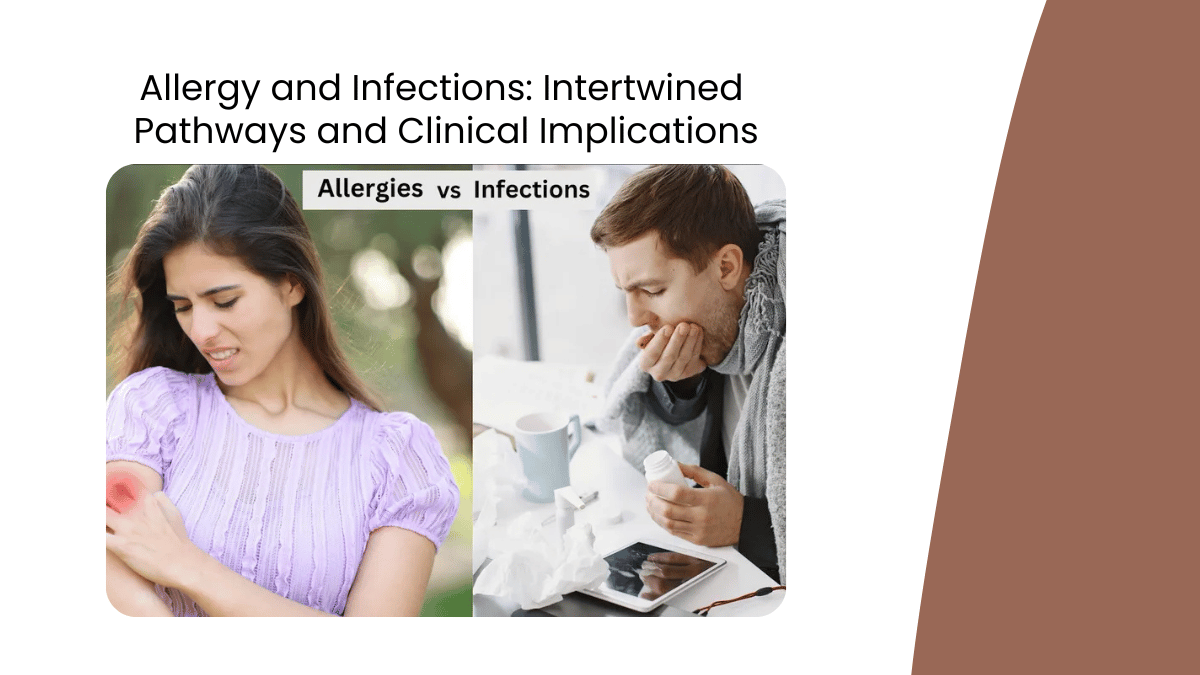
Allergic diseases and infectious illnesses have traditionally been perceived as distinct clinical entities. Allergy involves an exaggerated immune response to typically harmless environmental antigens, whereas infection results from pathogenic invasion by viruses, bacteria, fungi, or parasites. However, recent advancements in immunology and epidemiology reveal a complex interplay between these two domains. Increasing attention is being paid to how infections in early life influence immune system maturation, and consequently, the development of allergic conditions such as asthma, atopic dermatitis, and allergic rhinitis. Over the last decades, the importance of microbes, especially the role of the early life gut microbiota, in immune development and tolerance, including its role in allergy, has been extensively acknowledged.
The modern environment, characterized by urban living, improved sanitation, and widespread vaccination, has significantly reduced the infectious disease burden. Simultaneously, there has been a dramatic rise in allergic diseases, particularly in industrialized countries, a trend suggesting that reduced microbial exposure might contribute to allergy pathogenesis. The hygiene hypothesis and its extensions, including the microbial and old friends hypotheses, propose that a lack of exposure to diverse microorganisms during early life results in immune dysregulation.
Three major concepts anchor this discussion: the hygiene hypothesis, which explains the increase in allergies as a result of reduced microbial exposure; the viral trigger theory, which implicates specific viruses in the initiation and exacerbation of allergic disease; and the evolving understanding of infection-allergy balance, which emphasizes the timing, type, and context of infectious exposures in determining allergic outcomes. [1]
Epidemiology
The global burden of allergic diseases has witnessed a dramatic rise over the past few decades, with asthma, allergic rhinitis, and atopic dermatitis now recognized as major public health concerns. According to the Global Asthma Report 2018, asthma affects over 339 million people worldwide. The prevalence of allergic rhinitis is estimated at 10 to 30% globally, and atopic dermatitis affects up to 20% of children in developed countries. The upward trajectory of allergic diseases parallels urbanization, westernization of lifestyles, reduced family sizes, antibiotic overuse, and diminished microbial exposures.
India reflects this global trend with regional variability. Data from the ISAAC Phase III study (2001 to 2003) showed a prevalence of current wheeze in children aged 6 to 7 years at 5.35%, with some cities like Bangalore reporting rates as high as 9.1%. Follow-up studies indicate continued rise in urban areas. A 2020 ICMR survey reported that nearly 10 to 15% of Indian school children show features of allergic rhinitis, while atopic dermatitis is being increasingly recognized in pediatric dermatology clinics.
Interestingly, in rural and semi-urban populations, where the burden of infections, particularly parasitic and bacterial, is higher, the prevalence of allergic conditions remains lower. This inverse correlation has been consistently observed in comparative studies and is one of the primary epidemiological pillars supporting the hygiene hypothesis. The diversity of microbial exposures, dietary habits, and lower antibiotic use in these regions appears to modulate immune responses in a way that is protective against allergic sensitization.
Immunological Basis of Allergy and Infection
The development of allergic diseases is underpinned by a complex interplay between genetic susceptibility and environmental exposures. Individuals with a family history of atopy are at significantly higher risk of developing allergic diseases. However, genetics alone cannot account for the rapid rise in allergy prevalence over recent decades, underscoring the role of environmental and epigenetic factors. The immune system constantly navigates between tolerance and activation, a balance that determines whether an antigen will lead to immunity, infection clearance, or allergic sensitization.
The immunopathology of allergic diseases involves a skewed T-helper 2 (Th2) immune response, characterized by the production of interleukins such as IL-4, IL-5, and IL-13. These cytokines promote immunoglobulin E (IgE) production, eosinophil recruitment, and mast cell activation, all hallmark features of allergic inflammation. In contrast, viral infections tend to elicit Th1 or interferon-dominated responses aimed at antiviral defense. These include the production of IFN-gamma and IL-12, as well as activation of cytotoxic T lymphocytes and natural killer (NK) cells. In some cases, chronic or severe infections may induce regulatory T cells (Tregs) that suppress both Th1 and Th2 responses to maintain immune homeostasis.
This balance between Th1 and Th2 responses is critical during the neonatal period, which is a window of immunological plasticity. Newborns are inherently biased toward Th2 responses, presumably to prevent maternal immune rejection. Exposure to microbial agents, including commensals and pathogens, drives the maturation of Th1 responses and promotes the development of regulatory T cells (Tregs). Tregs play a central role in maintaining immune homeostasis and tolerance to self and environmental antigens.
Disruption of this maturation process, due to excessive hygiene, cesarean delivery, lack of breastfeeding, or antibiotic exposure, can lead to persistence of a Th2-skewed profile, thereby predisposing to allergies. The emerging role of the microbiome in immune education adds another layer of complexity, with gut and airway dysbiosis increasingly linked to allergic sensitization. For instance, reduced colonization by Bifidobacteria and increased prevalence of Clostridia species in infancy have been associated with eczema and asthma.
The cross-regulation between Th1 and Th2 pathways formed the foundation of the original hygiene hypothesis, suggesting that reduced Th1 stimulation from infections may allow unchecked Th2 responses to allergens. However, this model has evolved to incorporate the role of Tregs, epithelial barrier integrity, and the microbiome, which more holistically influence immune development.
Thus, infection can both suppress or enhance allergic responses, depending on the context, making the interaction highly dynamic. The etiopathogenesis of allergy is best understood as a multi-factorial process involving host genetics, immune programming, environmental exposures, and microbial interactions. [4]
Viral Triggers in Allergy
Viral infections are now recognized not only as potential instigators of allergic sensitization but also as significant contributors to disease exacerbation in individuals with established allergies. Several key respiratory viruses have been implicated in these dual roles. Respiratory Syncytial Virus (RSV) is one of the most thoroughly studied pathogens in this regard. Severe RSV bronchiolitis in infancy has been consistently linked to an increased risk of recurrent wheezing and childhood asthma. RSV induces profound damage to the respiratory epithelium and promotes the release of epithelial-derived cytokines such as IL-33, IL-25, and TSLP. These molecules activate innate lymphoid cells (ILC2) and skew adaptive immunity towards a Th2 phenotype, laying the groundwork for atopic airway disease.
Rhinoviruses, particularly RV-A and RV-C, are also strongly associated with asthma development and exacerbations. Studies have shown that infants with RV-induced wheezing episodes, especially in the context of atopic dermatitis or eosinophilia, have a higher likelihood of developing asthma. Rhinoviruses enhance airway inflammation, increase mucus production, and impair epithelial barrier function.
Other viruses such as Influenza, Parainfluenza, and Coronaviruses (including SARS-CoV-2) have also been linked to transient worsening of allergic conditions. These viruses provoke intense immune responses, often with overlapping Th1 and Th2 features, and may disrupt epithelial integrity, increasing allergen sensitization risk.
Interestingly, timing matters:
- Early viral infection during a window of immune immaturity may promote allergy.
- Later exposures may train the immune system and reduce risk.
Importantly, the host's response to viral infections is modulated by genetic factors, atopic status, and the existing microbiome. Children with allergic predispositions exhibit altered antiviral responses, including deficient production of interferons, which may lead to prolonged viral persistence and heightened inflammatory responses.
Controversy exists whether viral infections cause allergy or simply unmask it in genetically predisposed children. Nevertheless, managing viral respiratory infections is key in allergy prevention strategies.
These insights suggest that preventing or modifying early-life viral infections could represent a potential strategy for allergy prevention.
Hygiene Hypothesis and Beyond
Proposed by David Strachan in 1989, the hygiene hypothesis postulated that fewer childhood infections in smaller families led to increased allergy risk due to insufficient immune system education. This theory sparked an array of epidemiological and experimental studies. (1)
Core contents of the hygiene hypothesis:
- Lack of microbial exposure leads to immune dysregulation.
- Rural environments, animal exposure, and larger family size are protective.
- Excessive hygiene, antibiotic overuse, and cesarean births reduce microbial diversity.
Over time, this concept expanded:
- "Old Friends Hypothesis": It is not just any infection, but exposure to ancient microbes (e.g., gut flora, helminths, soil bacteria) that matter.
- Microbiome Hypothesis: Gut and airway microbiota composition in early life influences immune development.
- Farm Effect: Children growing up on farms show lower allergy and asthma rates, partly due to exposure to diverse environmental microbes and unpasteurized milk.
Key studies supporting this include:
- PASTURE Study: Farm exposure during pregnancy and early life was associated with reduced eczema and asthma.
- GABRIELA Study: Confirmed protective effects of microbial-rich environments in European farming communities.
- Amish vs. Hutterite Study (Stein MM et al., NEJM 2016): Despite similar genetics, Amish children had lower asthma prevalence due to microbial exposures.
Still, the hygiene hypothesis does not explain all allergy patterns (e.g., rise in food allergy in less hygienic settings), and may oversimplify complex host-environment interactions.
Factors that negatively impact microbial diversity, such as cesarean section, formula feeding, early antibiotic use, and urban living, are now considered risk factors for allergy. Conversely, exposure to farm environments, pets, and siblings may confer protection by enhancing microbial diversity and immune tolerance.
Thus, the hygiene hypothesis has matured into a multifaceted framework that incorporates microbial diversity, immune education, and environmental context. This understanding opens avenues for preventive strategies such as microbial supplementation, natural childbirth promotion, and controlled environmental exposures. [1] [4]
Infection-Allergy Balance
The balance between infections and allergic diseases is influenced by numerous factors, including the nature of the pathogen, timing of exposure, host immune status, and environmental background. While some infections may confer protection against allergic sensitization, others are capable of enhancing the risk and severity of allergic diseases.
Protective infections often include helminths and certain bacterial exposures that induce regulatory immune responses. For instance, chronic helminth infections stimulate the expansion of regulatory T cells and the production of immunosuppressive cytokines like IL-10 and TGF-beta. These immune changes dampen excessive inflammatory responses and may reduce the risk of allergy. Epidemiological studies in sub-Saharan Africa and South America have consistently shown lower rates of allergic diseases in regions with high parasitic burden.
Conversely, infections caused by respiratory viruses such as RSV and rhinoviruses are associated with increased risk of allergy and asthma, particularly when they occur early in life. These viruses damage the respiratory epithelium, enhance allergen penetration, and create a pro-inflammatory milieu conducive to allergic sensitization. Repeated infections can lead to airway remodeling, chronic inflammation, and bronchial hyper-responsiveness, hallmarks of asthma.
The timing of infection is also crucial. Early-life exposures, especially during infancy when the immune system is still maturing, have the greatest influence. Infections during this window can permanently shape immune trajectories. While some exposures may promote immune tolerance, others can trigger persistent Th2 dominance and allergic inflammation.
Additionally, the site of infection plays a role. Gut infections may influence systemic immunity via the gut-associated lymphoid tissue (GALT), while respiratory infections impact the mucosal immune system in the lungs. The interplay between different mucosal sites further complicates this relationship.
These findings underscore the complexity of the infection-allergy interface. They also suggest that any interventions, such as deworming programs or vaccination policies, should be carefully designed to maintain immune homeostasis. Thus, infections and microbial exposures play a context-dependent role, shaping whether the immune system becomes tolerant or hyperresponsive.
Clinical and Preventive Implications
The intricate relationship between allergy and infections has important implications for the prevention, diagnosis, and treatment of allergic diseases. Effective management requires an integrated approach that takes into account the patient's infection history, immune profile, environmental exposures, and genetic predisposition. Understanding the infection-allergy interplay has major implications for pediatric and public health strategies.
Prevention:
- Avoid unnecessary antibiotic use and excessive hygiene in early life.
- Encourage breastfeeding, vaginal delivery where feasible.
- Promote microbial diversity via diet, probiotics, natural environments.
Management of viral-triggered wheeze:
- Recognize viral wheeze phenotypes distinct from classical atopic asthma.
- Use of montelukast, inhaled steroids, and in some cases biologics in prevention of viral-induced exacerbations.
Vaccination: Vaccinations against common respiratory pathogens such as influenza, pneumococcus, and SARS-CoV-2 are essential in individuals with asthma and other allergic conditions. These vaccines reduce the risk of severe respiratory infections that can exacerbate underlying allergic diseases. Importantly, vaccines do not increase allergy risk and are generally safe in atopic individuals.
Public Health and Environmental Measures: Policymakers and public health professionals must strike a balance between hygiene and microbial exposure. While clean water and sanitation are essential for infection control, over-sanitization may reduce beneficial microbial exposures. Recommendations include encouraging outdoor play, interaction with pets, and avoidance of excessive antimicrobial cleaning products.
Hence managing allergy in the context of infection requires a nuanced understanding of immunology, microbiology, and environmental health , personalized approaches that consider individual risk factors and exposures are essential. [6] [7]
Future Directions
- Microbiome modulation (synbiotics, microbial transplants).
- Personalized prevention strategies based on immune and microbial profiling.
Conclusion
The relationship between infection and allergy is both multifaceted and bidirectional. Viral infections, particularly in early life, can act as triggers for allergic sensitization and asthma, while other microbial exposures may provide protection by fostering immune tolerance.
The evolving understanding of the hygiene hypothesis, the role of the microbiome, and the timing and nature of infections points to a delicate balance in early immune development. There is no one-size-fits-all explanation, as genetic, environmental, and microbial factors interact in complex ways.
In clinical practice, a deeper appreciation of the infection-allergy relationship can help pediatricians and allergists adopt holistic, evidence-based approaches to patient care. Ultimately, understanding and leveraging this relationship may unlock new pathways for preventing and treating allergic diseases in the 21st century. [4] [7]
References
1. Strachan DP. Hay fever, hygiene, and household size. BMJ. 1989;299(6710):1259-1260.
2. Jackson DJ, Gangnon RE, Evans MD, Roberg KA, Anderson EL, Pappas TE, et al. Wheezing rhinovirus illnesses in early life predict asthma development in high-risk children. Am J Respir Crit Care Med. 2008;178(7):667-672.
3. Asher MI, Montefort S, Bjorksten B, Lai CK, Strachan DP, Weiland SK, et al. Worldwide time trends in the prevalence of symptoms of asthma, allergic rhinoconjunctivitis, and eczema in childhood: ISAAC phases one and three repeat multicountry cross-sectional surveys. Lancet. 2006;368(9537):733-743.
4. Fujimura KE, Lynch SV. Microbiota in allergy and asthma and the emerging relationship with the gut microbiome. Cell Host Microbe. 2015;17(5):592-602.
5. Blanken MO, Rovers MM, Molenaar JM, Winkler-Seinstra PL, Meijer A, Kimpen JL, et al. Respiratory syncytial virus and recurrent wheeze in healthy preterm infants. N Engl J Med. 2013;368(19):1791-1799.
6. Liccioli G, Pucci N, Azzari C, Novembre E. The hygiene hypothesis and its implications for allergy prevention strategies in children. Pediatr Allergy Immunol. 2020;31(Suppl 24):30-32.
7. Papadopoulos NG, Arakawa H, Carlsen KH, Custovic A, Gern J, Lemanske R, et al. Promoting health and preventing disease: The contribution of allergology to public health. Allergy. 2011;66(4):500-512.
To book a paediatric allergy consultation with Dr. Nayan Mani Deka at Pratiksha Rainbow Children's Hospital, VIP Road, Borbari, Guwahati, Assam 781036 (Monday to Saturday, 10 AM to 5 PM), call +91 9436732863 or +91 6000714825 or visit linqmd.com/doctor/nayan-mani-deka
Written by Dr. Nayan Mani Deka, MBBS (Gauhati Medical College, 2003), MD Paediatrics (GMCH Gauhati, 2008), Diploma in Allergy and Asthma (DAA, CMC Vellore), Certified PALS, APLS, NSSK, Consultant Paediatrician, Asthma Allergy Specialist and Immunotherapist, Pratiksha Rainbow Children's Hospital, VIP Road, Borbari, Guwahati, Assam 781036. Phone: +91 9436732863 / +91 6000714825.

Add a Comment