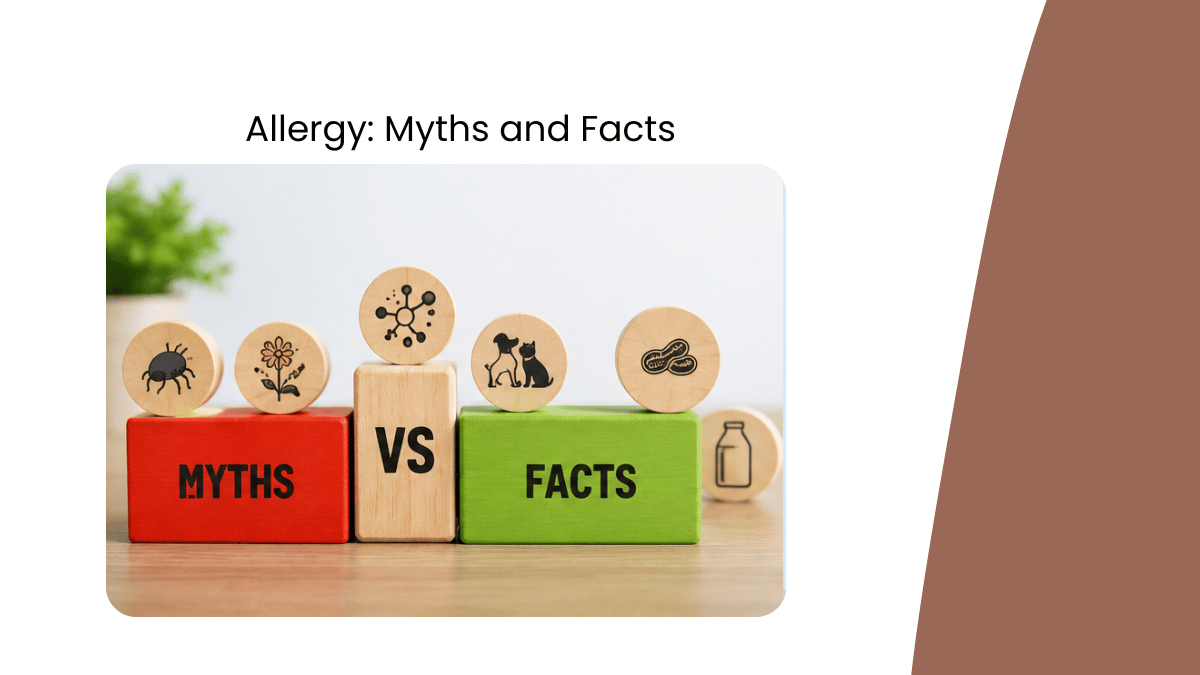
Myth 1: "Anaphylaxis means only severe breathing difficulty."
Fact:
Anaphylaxis can present with skin rashes, swelling, vomiting, abdominal pain, dizziness, or collapse - not just breathing problems. It is a multi-system emergency.
Myth 2: "I can wait and see if symptoms get worse."
Fact:
Anaphylaxis progresses rapidly. Delaying treatment can be life-threatening. Immediate adrenaline (epinephrine) is the first and most important treatment.
Myth 3: "Antihistamines and steroids can treat anaphylaxis."
Fact:
Antihistamines do NOT reverse anaphylaxis. Steroids act slowly. Only adrenaline can stop the reaction. Other medicines are only supportive.
Myth 4: "Adrenaline is dangerous and should be used cautiously."
Fact:
Adrenaline is safe, life-saving, and should be given as soon as anaphylaxis is suspected. Side effects are mild and temporary compared to the danger of untreated anaphylaxis.
Myth 5: "If symptoms improve, no need to visit the hospital."
Fact:
Even if symptoms resolve after adrenaline, a medical evaluation is essential because biphasic reactions can occur hours later.
Myth 6: "Anaphylaxis happens only with food allergy."
Fact:
It can occur due to insect stings, medications, latex, and sometimes no cause is found (idiopathic anaphylaxis).
Myth 7: "Anaphylaxis happens only the first time you're exposed."
Fact:
It can happen even after multiple previous exposures, and severity may vary each time.
Myth 8: "Children outgrow the risk of anaphylaxis."
Fact:
Some allergies may improve, but anyone with a history of anaphylaxis remains at risk and should carry an adrenaline auto-injector if advised.
Myth 9: "Removing the allergen quickly will stop the reaction."
Fact:
The reaction continues inside the body even after removing the trigger. Adrenaline is still required.
Myth 10: "Anaphylaxis cannot be prevented."
Fact:
With correct diagnosis, avoidance of triggers, proper education, and carrying an adrenaline device, most episodes can be prevented or managed effectively.
To book a consultation with Dr. Nayan Mani Deka at Pratiksha Rainbow Children's Hospital, VIP Road, Borbari, Guwahati, Assam 781036, call +91 9436732863 / +91 6000714825.
Written by Dr. Nayan Mani Deka, MBBS (Gauhati Medical College, 2003), MD Paediatrics (GMCH Gauhati, 2008), Diploma in Allergy and Asthma (CMC Vellore), Certified PALS, APLS, NSSK, Consultant Paediatrician, Asthma Allergy Specialist and Immunotherapist, Pratiksha Rainbow Children's Hospital, VIP Road, Borbari, Guwahati, Assam 781036. Phone: +91 9436732863 / +91 6000714825.
Add a Comment