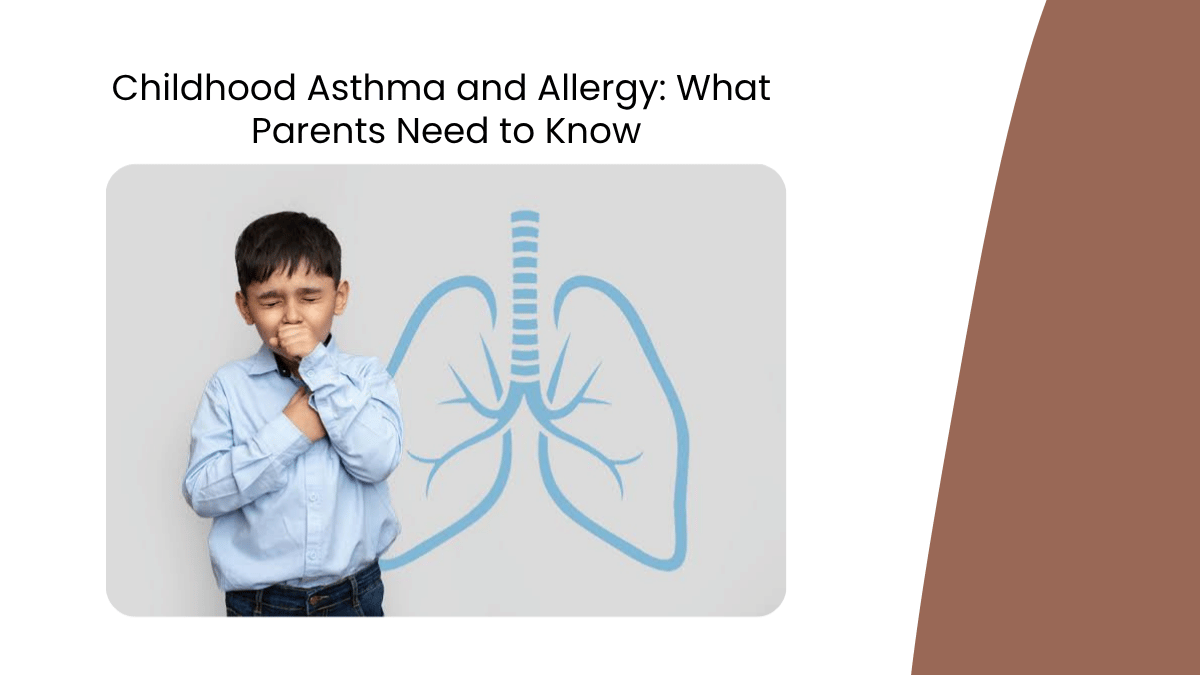
Asthma and allergies are among the most common chronic conditions in children. Their impact on quality of life can be significant if left unrecognized or poorly managed. However, with the right knowledge and timely action, parents can play a crucial role in reducing symptoms, preventing complications, and ensuring a healthy, active childhood for their children.
Understanding Childhood Asthma
Asthma is a chronic lung condition that causes inflammation and narrowing of the airways, making it difficult to breathe. It often begins in childhood and can range from mild to severe. Childhood asthma, if managed well, rarely interferes with daily life, but if ignored, it may lead to emergency visits and missed school days.
Early Signs of Asthma: What to Watch For
Recognizing early signs of asthma can help initiate early management and prevent severe flare-ups.
• Frequent coughing, especially at night, during play, or with laughter
• Wheezing: a whistling sound when your child breathes out
• Shortness of breath or rapid breathing during activity
• Chest tightness or discomfort
• Fatigue or avoidance of physical activity
• Recurring episodes of bronchitis or pneumonia
Children may not always verbalize their discomfort. Parents should stay alert to subtle signs like coughing after running, choosing sedentary play, or saying "my chest hurts" or "I can't catch my breath."
Common Allergy Triggers in Children
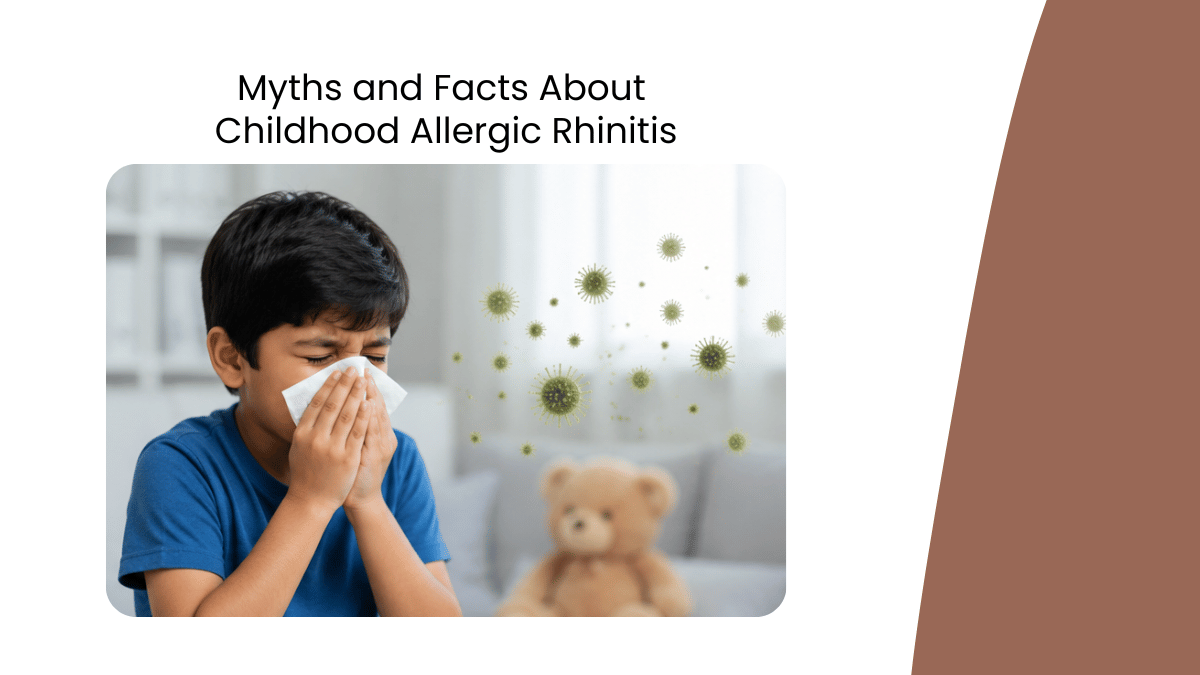
Allergies and asthma often go hand-in-hand. Many children with asthma have allergic triggers that worsen their symptoms. Common allergens include:
• Dust mites: microscopic bugs that live in bedding, pillows, and carpets
• Pollen: from grasses, trees, and weeds, especially during specific seasons
• Pet dander: tiny skin flakes from animals like cats and dogs
• Mold: often found in damp areas like bathrooms or basements
• Cockroach droppings
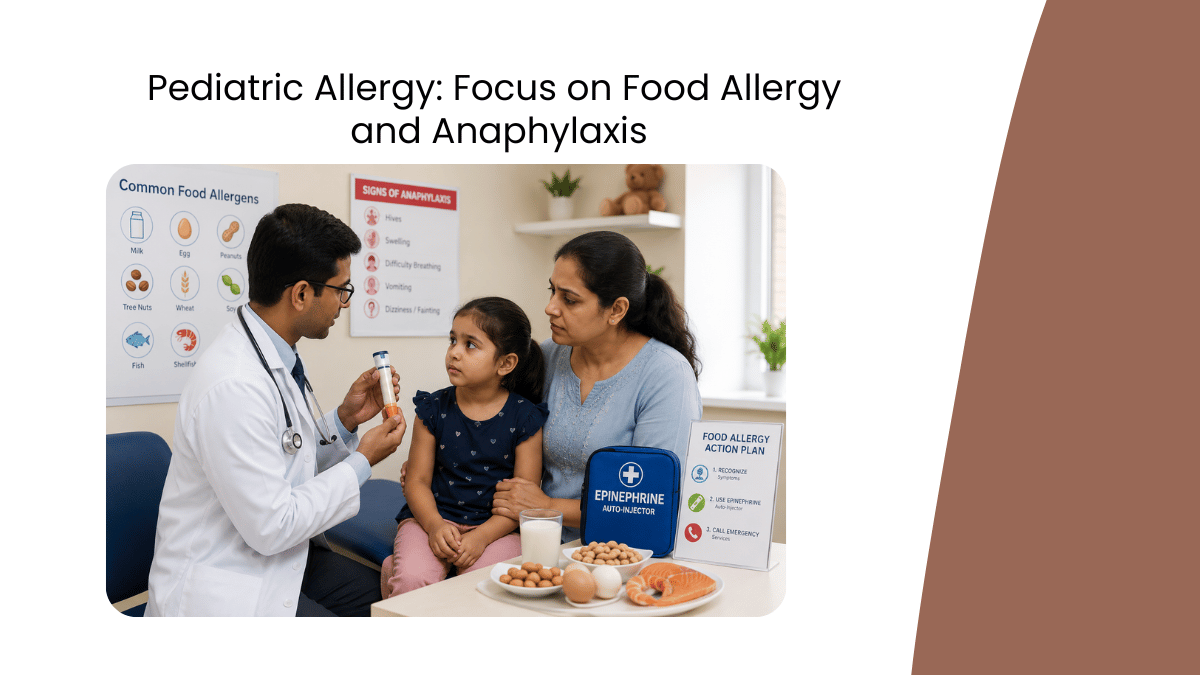
• Food allergens: like milk, egg, peanuts, or seafood in some children
Environmental irritants such as cigarette smoke, strong perfumes, air pollution, or even cold air can also trigger asthma.
Role of Allergy Testing
If a child has recurrent wheezing or other signs suggestive of asthma, allergy testing (either skin prick or blood test) can help identify triggers. Once allergens are known, targeted environmental control becomes possible.
Asthma Action Plan: The Cornerstone of Long-Term Management
Every child with asthma should have a written Asthma Action Plan developed with their pediatrician. This plan outlines:
• Daily medication schedule (if needed)
• How to recognize worsening symptoms
• What steps to take during an asthma flare-up
• When to seek emergency help
Parents, caregivers, schoolteachers, and even older children should be familiar with the plan.
Inhaler Use and Technique: A Lifesaver When Used Right
Most asthma medicines are inhaled, allowing the medicine to act directly in the lungs. However, improper technique can drastically reduce effectiveness.
• Metered Dose Inhalers (MDIs): Require coordination of actuation and inhalation. Best used with a spacer device in children.
• Dry Powder Inhalers (DPIs): Require a strong inhalation effort, often suitable for older children.
• Nebulizers: Machines that convert liquid medicine into mist, useful for younger children or during severe symptoms.
Spacer devices improve medication delivery and reduce side effects. Children must be taught to breathe in slowly and deeply through the spacer, hold their breath for a few seconds, and repeat as directed. Regular review of technique by a health professional is essential.
Medications: Rescue vs Controller
There are two main categories of asthma medicines:
1. Rescue medications (like salbutamol/albuterol):
• Provide quick relief from symptoms
• Should be used only when needed
2. Controller medications (like inhaled corticosteroids):
• Reduce inflammation and prevent symptoms
• Must be taken daily if prescribed, even when the child feels well
Stopping controller medications abruptly can result in flare-ups. Parents should never stop asthma medicines without consulting the doctor.
Environmental Control: Reducing Exposure to Triggers
Minimizing exposure to known allergens can significantly reduce asthma and allergy symptoms:
• Dust mites: Use allergen-proof covers for pillows and mattresses, wash bedding weekly in hot water, avoid carpets and heavy curtains
• Pets: Keep pets out of bedrooms, bathe them regularly, and vacuum frequently with HEPA filters
• Pollen: Keep windows closed during high-pollen seasons, especially in early morning
• Mold: Fix water leaks, use exhaust fans in bathrooms, and clean moldy areas with mild bleach solution
• Avoid smoking: A smoke-free home is critical for children with asthma
Lifestyle and Wellness Tips for Long-Term Control
• Physical activity: Children with asthma should be encouraged to play and stay active. Well-controlled asthma does not limit participation in sports.
• Vaccination: Ensure timely influenza and pneumococcal vaccinations.
• Healthy weight: Obesity can worsen asthma symptoms.
• Breathing exercises: Techniques like pursed-lip breathing or yoga can help older children.
When to See a Doctor Urgently
⚠ Seek immediate medical help if your child has:
• Severe breathing difficulty or rapid breathing
• Bluish lips or face
• Inability to speak full sentences
• Symptoms not improving with rescue medication
• Lethargy or drowsiness
These are signs of a severe asthma attack and may require emergency intervention.
Reassurance and Support for Parents
Living with a child who has asthma or allergies can be overwhelming. But it is important to know:
• Most children with asthma lead normal lives with proper care.
• Regular follow-ups with a pediatrician or asthma specialist ensure optimal control.
• Education and involvement in management empower children as they grow.
Parents should also educate school staff, coaches, and caregivers about their child's condition, medication needs, and how to respond during an asthma attack.
Conclusion
Asthma and allergies in children, though chronic, are manageable with vigilance, education, and teamwork. By recognizing early signs, maintaining good inhaler practices, avoiding triggers, and adhering to long-term control strategies, parents can ensure their children breathe easy every day.
To book a consultation with Dr. Nayan Mani Deka at Pratiksha Rainbow Children's Hospital, VIP Road, Borbari, Guwahati, Assam 781036 (Monday to Saturday, 10:00 AM to 5:00 PM), call +91 9436732863.
Written by Dr. Nayan Mani Deka, MBBS, MD (Paediatrics), Diploma in Allergy and Asthma (CMC Vellore), Certified PALS, APLS, NSSK, Consultant Paediatrician, Asthma Allergy Specialist and Immunotherapist, Pratiksha Rainbow Children's Hospital, VIP Road, Borbari, Guwahati, Assam 781036. Phone: +91 9436732863 / +91 6000714825 / +91 8812866239.


Add a Comment