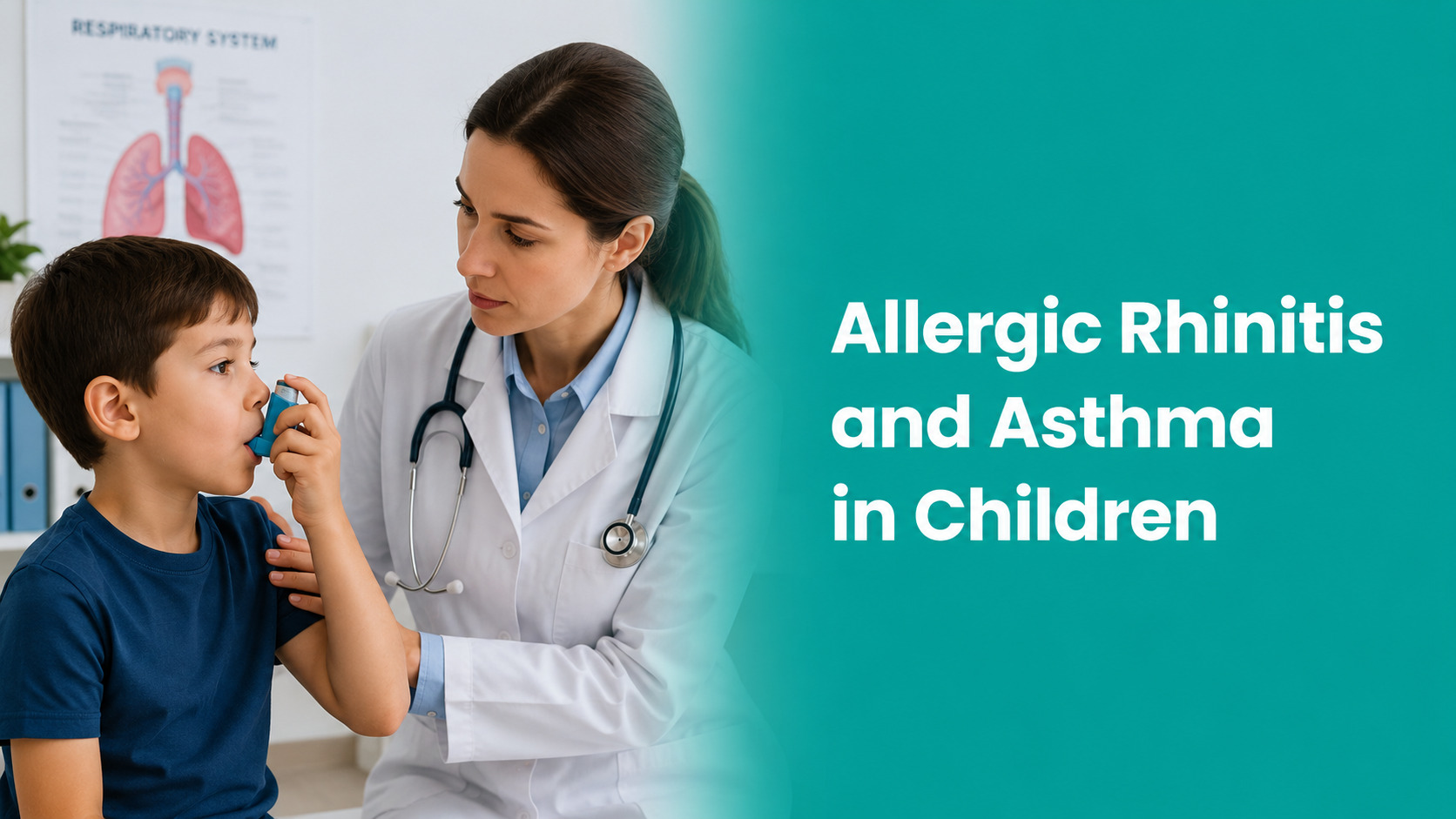
Allergic rhinitis children Bengaluru specialists commonly see is far more than a recurring cold. Allergic rhinitis and asthma are closely related inflammatory conditions that can affect sleep, learning, school performance, and quality of life. Early diagnosis, appropriate allergy testing, and targeted treatment can significantly improve long-term outcomes and reduce the risk of complications.
Allergic rhinitis and asthma are two of the most common chronic conditions I manage in children at Chirayu Multi-Specialty Clinic, Kasturi Nagar, Bengaluru. They are also among the most misunderstood. Many children are repeatedly treated for infections when the underlying problem is allergy. Understanding the connection between the nose, lungs, and immune system is essential for effective management.
What Is Allergic Rhinitis in Children Bengaluru Parents Should Know About?
Allergic rhinitis is an immune-mediated inflammatory condition affecting the nasal passages after exposure to allergens such as dust mites, pollen, mould spores, and pet dander.
The immune system mistakenly identifies harmless substances as threats and produces IgE antibodies. When exposure occurs again, inflammatory chemicals such as histamine are released, causing symptoms.
Children often present with what appears to be a persistent cold that never fully resolves. Many are treated repeatedly with antibiotics despite having no infection.
As an allergy specialist Kasturi Nagar families consult for childhood allergies, I frequently see children whose symptoms have been present for years before the correct diagnosis is established.
Why Is Allergic Rhinitis Increasing in Bengaluru?
Urbanisation, pollution, construction dust, indoor allergens, and changing environmental conditions have increased allergy prevalence across Bengaluru.
Dust mites thrive in the city's indoor environment, while fungal spores become more common during monsoon months. These exposures contribute significantly to childhood allergies and respiratory symptoms.
What Are the Symptoms of Allergic Rhinitis in Children?
The symptoms are often mistaken for repeated viral infections.
Common Nasal Symptoms
- Repeated sneezing, especially in the morning
- Persistent nasal blockage
- Clear nasal discharge
- Frequent nose rubbing
- Nasal itching
- Mouth breathing
Symptoms Beyond the Nose
Many parents do not realise that allergic rhinitis affects more than the nasal passages.
Associated symptoms include:
- Snoring
- Poor sleep quality
- Fatigue
- Poor concentration
- Dark circles under the eyes
- Chronic cough
- Recurrent ear problems
- Allergic conjunctivitis
Untreated allergy treatment for children is not simply about controlling sneezing. It is about improving sleep, concentration, school performance, and overall wellbeing.
What Is the Allergic Rhinitis Asthma Connection in Children?
The relationship between the upper and lower airways is one of the most important concepts in paediatric allergy.
The nose and lungs form a continuous airway system. They share the same inflammatory pathways and respond to the same allergens.
This allergic rhinitis asthma connection children experience explains why many patients with nasal allergy later develop asthma.
Approximately 40 percent of children with allergic rhinitis may develop asthma during childhood or adolescence.
Why Does Rhinitis Affect Asthma?
Persistent nasal inflammation contributes to lower airway inflammation.
Nasal obstruction promotes mouth breathing, allowing allergens to bypass the natural filtering function of the nose and enter the lungs directly.
Controlling allergic rhinitis often improves asthma control and may reduce future respiratory complications.
What Is Asthma and How Does It Present in Children?
Asthma symptoms in children can vary significantly according to age.
Asthma is a chronic inflammatory condition of the airways characterised by episodes of wheezing, coughing, breathlessness, and chest tightness.
Asthma in Infants and Young Children
Young children may experience recurrent wheezing with viral infections.
Many are labelled as having repeated bronchitis when they actually have underlying allergic asthma children commonly develop.
Asthma in School-Age Children
Symptoms include:
- Night-time cough
- Exercise-induced wheezing
- Breathlessness
- Chest tightness
- Recurrent respiratory symptoms
Asthma in Teenagers
Teenagers often under-report symptoms and may attribute breathlessness to poor fitness levels rather than asthma.
How Are Allergic Rhinitis and Asthma Diagnosed?
Diagnosis requires a combination of history, examination, and targeted investigations.
Clinical Assessment
A detailed history remains the most valuable diagnostic tool.
I evaluate:
- Symptom patterns
- Seasonal variation
- Environmental exposures
- Family history
- Sleep quality
- School performance
Skin Prick Testing
The skin prick test children undergo is considered the gold standard for identifying allergen sensitisation.
Small quantities of allergen extracts are applied to the skin, allowing rapid identification of triggers.
Results are available within minutes and help guide treatment decisions.
Allergy Testing
Comprehensive allergy testing Bengaluru families seek often includes skin prick testing, specific IgE testing, and evaluation of environmental exposures.
Lung Function Assessment
Spirometry and Forced Oscillometry Technique help evaluate airway function and confirm asthma.
These tests are particularly useful when assessing wheezing in children and monitoring response to treatment.
What Is the Treatment Pathway for Allergic Rhinitis and Asthma?
Treatment is based on three pillars:
- Allergen avoidance
- Medication
- Disease modification
Environmental Control
Reducing exposure to allergens is an important first step.
Children with dust mite allergy children commonly develop require measures such as:
- Allergen-proof mattress covers
- Regular hot washing of bedding
- Humidity control
- Reduced dust accumulation
Medical Treatment
Intranasal corticosteroids remain the most effective treatment for allergic rhinitis.
Antihistamines help control sneezing and itching.
For asthma, inhaled corticosteroids remain the cornerstone of paediatric asthma treatment Bengaluru specialists provide.
Why Correct Inhaler Technique Matters
Even the most effective medication will not work if it is used incorrectly.
Regular review and education are essential components of long-term asthma management.
What Is Immunotherapy and Can It Help Children?
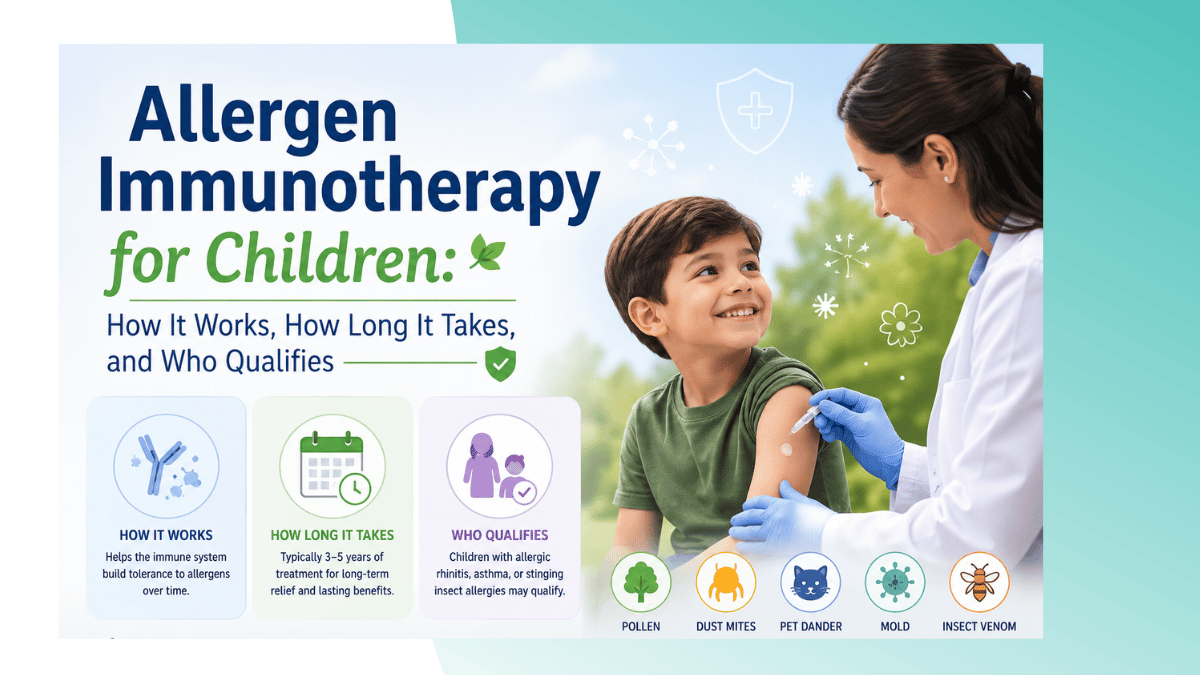
Immunotherapy children Bengaluru allergy clinics provide is the only treatment capable of modifying the underlying allergic disease process.
Unlike medications that control symptoms, immunotherapy helps the immune system develop tolerance to specific allergens.
How Immunotherapy Works
Gradual exposure to increasing doses of allergen reduces the allergic response over time.
Benefits may include:
- Reduced symptoms
- Reduced medication use
- Improved quality of life
- Lower risk of asthma progression
Subcutaneous Immunotherapy
Allergy injections are administered over several years and have a strong evidence base.
H3: Sublingual Immunotherapy
Drops or tablets placed under the tongue provide a needle-free alternative.
Many children tolerate this approach extremely well.
Which Children Benefit Most From Immunotherapy?
Children with confirmed allergen sensitisation and persistent symptoms despite appropriate medication often benefit most.
Patients with both allergic rhinitis and asthma are particularly suitable candidates.
Early intervention may improve long-term outcomes and reduce future disease burden.
For many families attending a paediatric allergy clinic Bengaluru, immunotherapy represents an opportunity to address the underlying cause of allergy rather than simply managing symptoms.
Frequently Asked Questions
At what age can immunotherapy be started?
Subcutaneous immunotherapy is typically considered from five years of age, although decisions are individualised.
Does every child with allergic rhinitis develop asthma?
No. However, allergic rhinitis increases the risk of asthma development.
Can allergic rhinitis affect school performance?
Yes. Poor sleep, fatigue, and impaired concentration can affect learning and academic performance.
Are inhaled steroids safe for children?
When used correctly and under medical supervision, inhaled corticosteroids are safe and highly effective.
Can immunotherapy prevent asthma?
Evidence suggests immunotherapy may reduce the likelihood of asthma developing in some children with allergic rhinitis.
How long does immunotherapy take to work?
Many children show improvement within months, although full benefit may take longer.
What allergens are most common in Bengaluru?
House dust mites, mould spores, cockroach allergens, pet dander, and certain pollens are common triggers.
Is skin prick testing painful?
Most children tolerate the procedure very well. It is significantly less uncomfortable than a blood test.
AUTHORSHIP BLOCK
Written by Dr Sravanthi P V N, MBBS, MD Paediatrics, Consultant Paediatrician and Allergy Asthma Specialist, Chirayu Multi-Specialty Clinic, Kasturi Nagar, Bengaluru.
RELATED READING
/doctor/p-v-n-sravanthi/blog/recurrent-colds-or-allergy-kasturi-nagar-bengaluru
/doctor/p-v-n-sravanthi/blog/food-allergy-children-kasturi-nagar-bengaluru
/doctor/p-v-n-sravanthi/blog/asthma-inhaler-guide-children-kasturi-nagar-bengaluru
To book a consultation with Dr Sravanthi P V N at Chirayu Multi-Specialty Clinic, Kasturi Nagar, Bengaluru, visit the doctor profile page.


Add a Comment