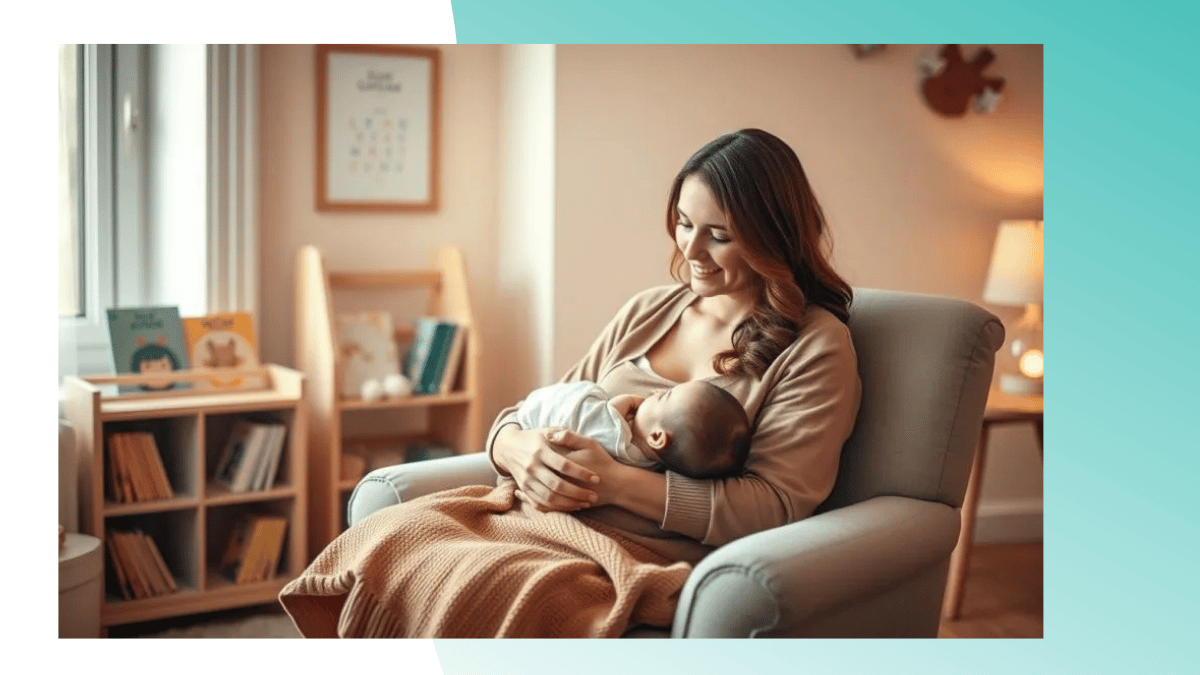
As a Paediatrician and Allergy Asthma Specialist in Bengaluru, I spend a significant part of every clinic week evaluating children with eczema, food allergy, allergic rhinitis, and asthma. And if there is one question I am asked more often than almost any other, it is this: is there anything we could have done earlier to reduce my child's risk? The honest answer, backed by a growing body of evidence, is yes - and breastfeeding is the earliest and most accessible form of allergy protection a parent can provide.
Why Breast Milk Is the First Line of Allergy Defence
Breast milk is not simply nutrition - it is an immunologically active fluid that shapes the way a newborn's immune system learns to respond to the world. It contains secretory IgA, which coats the gut lining and reduces the uptake of whole food proteins that can trigger sensitisation. It contains human milk oligosaccharides that feed beneficial gut bacteria and support the development of a diverse, tolerant microbiome. It contains immune cells, cytokines, and growth factors that actively programme the newborn's immune responses toward tolerance rather than reactivity. The WHO recommends exclusive breastfeeding for the first six months of life, and for families with a history of allergy, eczema, or asthma, this recommendation carries particular clinical weight.
What the Evidence Shows About Breastfeeding and Allergy Risk
The research on breastfeeding and allergy is nuanced but directionally consistent: exclusive breastfeeding for the first four to six months reduces the risk of eczema in infancy and may reduce the incidence of wheezing illness and asthma, particularly in children with a family history of allergic disease. Breast milk's role in establishing a healthy gut microbiome in the first weeks of life is thought to be one of the key mechanisms - the first 1,000 days of a child's life are the window during which the immune system is most receptive to the microbial and nutritional signals that determine whether it tends toward allergy or tolerance. In Bengaluru, where house dust mite, cockroach, and Parthenium sensitisation rates are high, every protective factor in the early immune environment matters.
Common Concerns I Hear from Mothers in My Clinic
'My milk is not enough.' This is the most common reason mothers in my clinic reduce or stop breastfeeding in the first weeks, and in the majority of cases it is not true. Perceived low milk supply is far more prevalent than actual insufficient supply. Frequent feeding - at least 8 to 12 times in 24 hours in the newborn period - signals the body to produce more milk. Supplementing with formula in response to a perceived supply problem often reduces the breast stimulation that drives supply further, creating a self-fulfilling cycle. Before concluding that supply is insufficient, consult a paediatrician and assess whether the baby is gaining weight adequately and producing enough wet diapers. 'I am returning to work.' Expressing and storing breast milk allows continued breastfeeding after returning to work. A portable breast pump and a refrigerator make a workplace breastfeeding plan practical. Expressed breast milk stored correctly - in the refrigerator for up to 3 days - retains its immunological properties. The effort is worth it because even partial breastfeeding continues to provide immune benefit, particularly for babies at higher allergy risk.
A Note for This World Breastfeeding Week
Breastfeeding is a clinical topic for me as much as it is an emotional one, and the reason I bring an allergy lens to it on World Breastfeeding Week is simple: many of the children I see with allergic conditions have parents who wonder what they could have done differently. Breastfeeding is not a guarantee against allergy - genetics, environment, and other early-life factors all contribute - but it is one of the most impactful early interventions available and it costs nothing. If you are pregnant, planning to breastfeed, or currently breastfeeding and facing difficulties, bring those questions to your paediatrician early. And if your child has developed eczema, food allergy, or recurrent wheeze and you want to understand why and what can be done, I am at Chirayu Multi-Specialty Clinic and Anvika Kids and Allergy Clinic in Bengaluru - and I welcome you to book a consultation.
To book a consultation with Dr. Sravanthi P.V.N. at Chirayu Multi-Specialty Clinic (Kasturi Nagar, +91 9663358193) or Anvika Kids and Allergy Clinic (Horamavu, +91 9972991223).
Written by Dr. Sravanthi P.V.N., MBBS (RIMS, NTR Health University, Kadapa, Andhra Pradesh, 2013), MD Paediatrics (Santhiram Medical College, NTR Health University, Nandyal, Andhra Pradesh, 2018), Consultant Paediatrician and Allergy Asthma Specialist, Chirayu Multi-Specialty Clinic, No. 303, Nikith Arcade, 2nd Main Road, Above Karnataka Bank, Kasturi Nagar, Bengaluru (Mon-Fri: 4:30 PM - 7:30 PM, +91 9663358193) | Anvika Kids and Allergy Clinic, Ground Floor, 12th Cross, Banjara Layout, Horamavu, Bengaluru (Mon-Sat: 10 AM - 2 PM, +91 9972991223).
Related reading
Allergen Immunotherapy for Children: How It Works, How Long It Takes, and Who Qualifies
Anaphylaxis in Children: How to Recognise It, Use an EpiPen, and Build an Emergency Action Plan



Add a Comment