
One of the most consistent concerns I hear at Anvika Kids and Allergy Clinic, Horamavu, Bengaluru, is from parents who count how many times their child has been ill in the past year and arrive asking a version of the same question: is this normal? My child has had five chest infections this year. My toddler gets a fever every few weeks. My school-aged child has had ear infections three times since August. Something must be wrong. The anxiety behind these questions is understandable and, in most cases, the answer I give reassures the family and changes the management approach in a meaningful way. But in a smaller number of cases, the pattern the parent describes is one that warrants closer evaluation, and knowing how to distinguish these two groups is one of the most practically useful pieces of knowledge I can give parents of young children in Bengaluru. The short answer is this: a young child having six to eight viral upper respiratory infections per year, and toddlers in childcare having even more, is biologically normal. The immune system of a child who has not yet been exposed to the respiratory viral world is encountering it for the first time, repeatedly, and learning from each encounter. This is not failure. This is development. But there are patterns of infection, patterns of severity, patterns of what infections keep recurring, and patterns of what happens between infections, that distinguish the child who is developing normally from the child who needs investigation.
Why Young Children Get Sick So Often: The Immunological Explanation
The human immune system at birth is not a blank slate, but it is not a complete defence system either. A newborn carries maternal antibodies transferred across the placenta in the last trimester of pregnancy, and these provide some protection against the organisms the mother has encountered, for a period of a few months after birth. Once these maternal antibodies wane, typically between three and six months of age, the infant's own immune system begins its education. That education happens through exposure: each infection, each vaccination, each encounter with a new virus or bacterium builds a library of immunological memory that the immune system can draw on in the future. The first time a child encounters a particular respiratory virus, the immune response takes days to reach its full strength, and during that delay the virus replicates and the child is symptomatic. The second time the child meets the same virus, memory B cells and memory T cells recognise it rapidly and mount a faster, stronger response, often clearing the infection before any symptoms develop. The six to eight colds per year that a toddler experiences are not evidence of a weak immune system. They are evidence of an immune system doing exactly what it is designed to do: learning.
In Bengaluru's urban environment, with its dense population, indoor air quality challenges, and the particular mixing of children from different disease backgrounds in nurseries, daycares, and school settings, exposure happens more intensively and earlier than it did in rural or more isolated environments. A toddler who joins a creche for the first time at one year will often have a period of several months during which they seem to be ill more often than they are well. This is a consistent, predictable, and self-limiting phenomenon: by the time the same child reaches their third or fourth year, the pattern typically dramatically improves as the immune library accumulates. The comparison between two children in the same family, where one started daycare at twelve months and had frequent early infections and the other stayed home until three years and then had frequent infections on school entry, is one I encounter regularly. The infections are the same. The timing is different. The outcome is the same.
What Counts as a Normal Number of Infections Per Year
The numbers that paediatricians use as general guidance for what is normal are the following: infants and toddlers not in childcare typically have six to eight upper respiratory infections per year. Infants and toddlers in childcare settings can have up to ten to twelve. School-aged children average between four and six per year. These are viral upper respiratory infections: colds, rhinovirus infections, adenovirus infections, RSV infections, and the range of seasonal respiratory viruses that circulate through Bengaluru's paediatric population throughout the year but particularly in the monsoon season and in the cooler months from October through January. If a child is having infections at frequencies broadly within these ranges, the infections are resolving within their expected time frames, the child is recovering fully between episodes, growing normally, and developing normally, the number of infections alone is not a clinical concern. The number of infections is only clinically meaningful when it is combined with information about the nature of the infections, the pattern of recovery, and whether there are concerning features in how the child responds to each episode, and this is the clinical history I take at every consultation at Anvika Kids and Allergy Clinic.
The Patterns That Should Prompt a Paediatric Consultation
Several patterns of infection in childhood warrant paediatric assessment rather than a wait-and-see approach, and I want to be specific about what these patterns look like, because the parent who recognises their child in this list benefits from early rather than late assessment.
Infections that are unusually severe relative to what other children in the same household or daycare group experience. If the same viral illness that causes a runny nose and two days of mild fever in other children produces a week of high fever, secondary pneumonia, or hospitalisation in one particular child, the severity is informative. It suggests that the child's immune response to the organism is not functioning as expected.
Infections that keep recurring in the same anatomical site. Recurrent ear infections (otitis media) occurring more than three or four times per year warrant evaluation for structural factors including adenoid enlargement and Eustachian tube dysfunction, as well as for underlying allergy, which is among the most common and most treatable contributors to recurrent otitis media in Bengaluru's paediatric population. Recurrent chest infections, particularly when accompanied by wheeze, warrant evaluation for asthma and relevant allergen sensitisation. Recurrent urinary tract infections in a child warrant investigation for underlying urological structural abnormality.
Infections that do not resolve fully between episodes. A child who never quite returns to their healthy baseline between infections, who coughs throughout the month between illnesses, who has persistent nasal symptoms that are not clearly explained by ongoing viral infection, is showing a pattern of incomplete recovery that needs investigation.
Infections requiring intravenous antibiotics, hospitalisation, or involving organisms that typically do not cause disease in immunologically intact children. The child who develops an infection with an organism that the intact immune system would normally contain easily may have an underlying immunodeficiency. Any child who has had a serious or unusual infection, such as meningitis, empyema, overwhelming sepsis, or infection with organisms normally considered non-pathogenic, should have an immunological evaluation, and this is a consultation I take seriously at Anvika Kids and Allergy Clinic, Horamavu.
The Role of Allergy in Recurrent Infections: A Connection Many Parents Miss
One of the most practically important connections in paediatric practice that remains underappreciated by parents and by many non-specialist clinicians is the relationship between allergy and recurrent infection. Allergic rhinitis, the most common allergic condition in children, produces chronic nasal mucosal inflammation that impairs the normal mucociliary clearance of the nasal and sinus passages, congests the Eustachian tube opening, reduces the normal drainage from the paranasal sinuses, and creates an environment in which viral and bacterial infections take hold more easily, persist longer, and are more likely to produce secondary complications. A child with allergic rhinitis driven by house dust mite, one of the dominant allergens in Bengaluru's humid urban environment, has nasal mucosa that is perpetually inflamed and chronically congested even between viral infections. When a respiratory virus arrives on this background, the mucosal defences are already compromised and the infection takes a more complicated course. The same child, if the allergic rhinitis is identified and managed with appropriate nasal corticosteroid therapy and allergen avoidance, has a significantly reduced frequency of secondary ear and sinus infections. In Bengaluru, where house dust mite and cockroach allergen are the dominant perennial sensitisers, evaluating the child with recurrent ear infections or sinusitis for underlying allergic rhinitis is one of the most impactful investigations a paediatrician can perform because it identifies a treatable mechanism, not just a repeat of the same symptomatic management.
Viral Versus Bacterial Infections: Why This Distinction Matters More Than Most Parents Realise
The most consistent and most important clinical message I give to families at Anvika Kids and Allergy Clinic, and one that is central to my approach to paediatric infectious disease, is that the great majority of infections in otherwise healthy children are viral, and viral infections do not respond to antibiotics. Antibiotics kill bacteria. They have no effect on viruses. A child with a viral upper respiratory infection who is given an antibiotic does not recover faster, does not have fewer complications, and does not return to school sooner than a child who is managed with rest, fluids, fever management, and good nutrition. What they do have is exposure to the side effects of the antibiotic, disruption to their gut microbiome, and contribution to the antibiotic resistance burden that is one of the most significant public health threats of our era. My minimal antibiotic policy in paediatric practice reflects this evidence. I do not prescribe antibiotics for viral infections. I focus instead on identifying the infections that are bacterial and therefore antibiotic-responsive, supporting the child's own immune response with appropriate supportive care in viral illness, and educating families about what to expect and when to return if the clinical course changes. A child who has been given antibiotics repeatedly for viral infections has not received better care than a child managed with supportive treatment. They have received a treatment that was not indicated, at a cost to their microbiome and to the broader antibiotic resistance picture.
The clinical features that suggest a bacterial rather than viral infection and may therefore warrant antibiotic consideration include: a fever that is worsening after day four or five of illness rather than improving, a high fever with localising signs such as significant ear pain pointing to acute otitis media, purulent conjunctivitis (eye discharge), clinical or radiological evidence of pneumonia with lobar consolidation, clinical signs of tonsillitis with features suggesting streptococcal rather than viral aetiology, and urinary symptoms with a positive urine culture. Even within these categories, the clinical judgement of whether antibiotics are indicated, and which antibiotic is appropriate, requires examination of the child, not a prescription over the phone.
The Warning Signs That Require Immediate Medical Attention
Every parent of a child with frequent infections should know the warning signs that require immediate emergency assessment, not a routine clinic appointment scheduled for the next morning. These are: breathing difficulty, which may present as an increased rate of breathing, visible use of the neck or chest muscles during breathing, nasal flaring in an infant, or a child who cannot complete a sentence without pausing to breathe; a high fever with a non-blanching rash, which may indicate meningococcal disease and is a time-critical emergency; a child who is unusually difficult to rouse, who is limp or floppy, or who is not responsive in the way they normally would be; a fever with severe headache and neck stiffness in an older child; and any infant under three months with a fever, because the immune system at this age is not yet capable of containing serious bacterial infections, and fever in a young infant always requires prompt assessment. In Bengaluru's climate, dengue fever, which presents with a characteristic pattern of high fever, severe joint and muscle pain, rash, and in its severe form can produce bleeding complications and shock, is a specific local concern during and after the monsoon season, and any child with a sustained high fever during the monsoon months in Bengaluru should have dengue evaluated. If any of these warning signs are present, the right response is emergency hospital assessment, not home management or a phone consultation.
What You Can Do to Reduce the Frequency and Severity of Infections
While the immunological learning process is unavoidable and, in fact, necessary, there are evidence-based measures that reduce both the frequency and the severity of infections in children, and implementing these is one of the most valuable things parents in Bengaluru can do to support their child's health.
Vaccination is the single most effective infection-prevention measure available, and ensuring that a child's vaccination record is complete and up to date with the Indian Academy of Paediatrics recommended schedule is the foundation of every conversation I have about infection prevention at Anvika Kids and Allergy Clinic. The vaccines protecting against pneumococcal disease, Haemophilus influenzae type b, pertussis, and influenza each directly reduce the risk of bacterial superinfection that converts a manageable viral illness into a serious and potentially dangerous one. The annual influenza vaccine, recommended for all children in the IAP schedule, is particularly relevant for Bengaluru's paediatric population, where influenza circulates in two seasonal peaks.
Breastfeeding, if possible and sustainable, provides the infant with maternal antibodies in the whey fraction of breast milk, prebiotics that shape the gut microbiome toward a pattern associated with better immune regulation, and anti-infective proteins including lactoferrin and secretory IgA that reduce the risk of gastrointestinal and respiratory infections in the first year of life. Every additional month of breastfeeding in the first year of life has a measurable impact on infection frequency, and the protection is not trivial: exclusively breastfed infants have consistently lower rates of respiratory infections, ear infections, and gastrointestinal infections than formula-fed infants in studies conducted across diverse populations, including in urban Indian settings.
Hand hygiene is the most effective transmission-prevention measure for respiratory and gastrointestinal viruses. Most childhood respiratory viruses are transmitted via direct contact with secretions and via touching contaminated surfaces and then touching the face. Teaching children from a young age to wash their hands before eating, after nose-blowing, and when returning from school or outdoor play significantly reduces viral transmission. In the Bengaluru school setting, where multiple children share surfaces and classroom air, this is a practical measure that makes a real difference. Adequate sleep, outdoor physical activity, and nutritional adequacy, particularly iron and vitamin D status, all contribute to immune resilience and are worth reviewing at the paediatric consultation alongside the infection history.
If a child's allergic rhinitis is driving recurrent ear or sinus infections, treating the rhinitis is the infection-prevention measure that matters most for that child. It is not about the antibiotic. It is about addressing the mucosal inflammatory environment that is making the child vulnerable to secondary bacterial infection on a background of chronic allergic inflammation. At Anvika Kids and Allergy Clinic, Horamavu, the allergy evaluation and management that I provide for children with recurrent infections is often the intervention that reduces infection frequency more effectively than any other single measure because it addresses a root cause rather than suppressing a downstream consequence.
When to Bring Your Child to Anvika Kids and Allergy Clinic: A Practical Guide for Bengaluru Parents
If you are a parent in Horamavu, Kasturi Nagar, Banjara Layout, or the surrounding areas of north-east Bengaluru and you are wondering whether your child's pattern of infections warrants a paediatric assessment, the following guidance will help you decide:
A paediatric consultation is appropriate when your child has had more than eight to ten respiratory infections in the past twelve months, particularly if they have been associated with antibiotic treatment at most of those episodes. Not because the number alone is alarming, but because understanding the pattern, the severity, and any contributing factors including undiagnosed allergy is worth doing at this frequency.
A consultation is appropriate when the same infection type keeps recurring: ear infections more than three or four times per year, recurrent chest infections with wheeze, recurrent urinary tract infections, or any recurrent infection of the same type that has required antibiotic treatment at each episode.
A consultation is appropriate when your child is not recovering fully between infections, or when there seems to be a persistent nasal or respiratory symptom that is not clearly accounted for by ongoing acute illness. Persistent nasal obstruction, mouth breathing, or a chronic nighttime cough in a child who is not obviously acutely unwell deserves assessment for allergy and other contributory factors.
A consultation is appropriate when you feel that something about the pattern is not right, even if you cannot specify what. Parents of young children develop a reliable intuition for when their child is unwell in a different way from their usual illnesses, and this intuition is worth taking seriously. At Anvika Kids and Allergy Clinic, Horamavu, the consultation I provide for a child with frequent infections covers the full clinical picture: infection history, growth and development, vaccination status, allergy evaluation where indicated, and guidance on antibiotic use that is honest, evidence-based, and tailored to what the specific child actually needs.
To book a consultation with Dr. Sravanthi P V N at Anvika Kids and Allergy Clinic, No. 30/33, Ground Floor, 12th Cross, Dodda Kempaiah Layout Road, Banjara Layout, Horamavu, Bengaluru, Karnataka 560043 (Monday to Saturday, 10:00 AM to 2:00 PM and 6:00 PM to 8:00 PM), call +91 9972991223 or visit linqmd.com/doctor/p-v-n-sravanthi
Written by Dr. Sravanthi P V N, MBBS (Rajeev Gandhi Institute of Medical Sciences, NTR Health University, Kadapa, 2013), MD Paediatrics (Santhiram Medical College, NTR Health University, Nandyal, 2018), Consultant Paediatrician and Allergy Asthma Specialist, Anvika Kids and Allergy Clinic, No. 30/33, Ground Floor, 12th Cross, Dodda Kempaiah Layout Road, Banjara Layout, Horamavu, Bengaluru, Karnataka 560043. Monday to Saturday, 10:00 AM to 2:00 PM and 6:00 PM to 8:00 PM. 6+ years. 10,000+ patients. Phone: +91 9972991223 / +91 9663358193.
Related reading
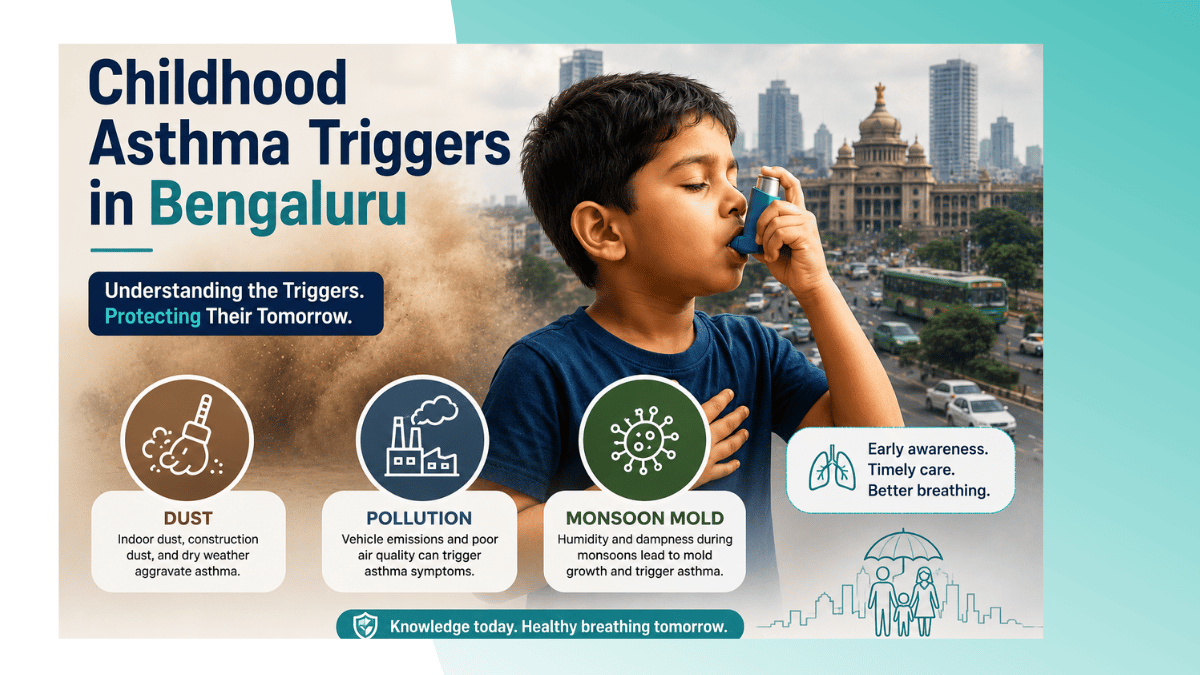
Childhood Asthma Triggers in Bengaluru: Dust, Pollution, and Monsoon Mold-What Parents Must Know
Anaphylaxis in Children: How to Recognise It, Use an EpiPen, and Build an Emergency Action Plan
Dengue Fever: Essential Information for Parents


Comments
No comments yet.
Leave a comment
Sign in with Google to comment. Your comment appears after the doctor approves it.