
 Robin Gupta

Dr. Robin Gupta

Precision in Every Procedure, Compassion in Every Cure

MBBS, MS General Surgery, Mch Neurosurgery

18+ Years of Experience

22000+patients

18+ Years of Experience

22000+patients

Manipal Hospital Hebbal

About Dr. Robin Gupta

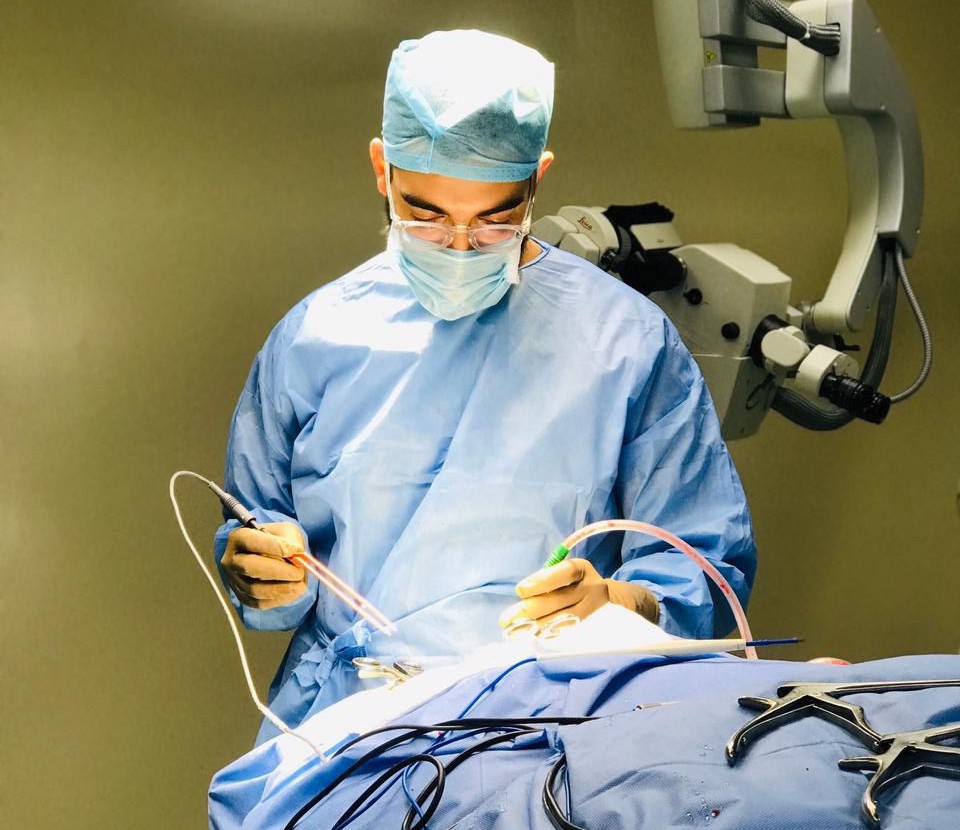
Dr. Robin Gupta is a distinguished neurosurgeon with advanced expertise in neuroendovascular and spinal surgery. He earned his MCh Neurosurgery from GB Pant Hospital, New Delhi (2015–2018), following an MS in General Surgery and MBBS from MGIMS Wardha. Since 2023, he has served as Head of Neurosciences at GM Hospitals, Bangalore, after pivotal roles at leading institutions including People Tree and Sagar Hospitals. With more than a decade of cumulative experience, Dr. Gupta excels in stroke interventions, brain and spine tumor resections, and emergency neurosurgical care. He is an award-winning presenter, adept in guiding multidisciplinary teams under high‑pressure clinical settings.


https://d2vvc091k8tmib.cloudfront.net/s3fs-public/2025-07/WhatsApp%20Image%202025-06-21%20at%2017.15.53_2c18be72.jpg

Dr. Robin H. Gupta specializes in brain and spine surgery, neurovascular interventions, and minimally invasive neurosurgical techniques. With extensive experience in managing complex neurological conditions, he emphasizes precision and patient safety to achieve optimal outcomes. Dr. Robin Gupta integrates advanced diagnostic tools with minimally invasive procedures to create personalized treatment plans that prioritize effectiveness and speedy recovery. Committed to continual learning and adopting cutting-edge practices, he ensures his patients receive the highest standard of neurosurgical care tailored to their unique needs.


Dr. Robin Gupta's Areas of expertise

  • Neuroendovascular Surgery-Expertise in performing complex endovascular procedures such as coiling, embolization, and carotid artery stenting using advanced imaging techniques.
  • Stroke Intervention-Specializes in mechanical thrombectomy and intra-arterial thrombolysis for acute ischemic stroke, offering rapid and life-saving care.
  • Brain Tumor Surgery-Skilled in excising intracranial tumors including gliomas, meningiomas, metastases, and intraventricular lesions with precision and safety.
  • Spinal Instrumentation and Tumor Surgery-Proficient in performing discectomies, spinal decompression, and instrumentation for both trauma and tumor cases across lumbar, cervical, and dorsal regions.
  • Craniovertebral Junction (CVJ) Surgery-Expertise in CVJ fixation procedures such as transoral odontoidectomy and CVJ instrumentation for congenital and traumatic conditions.
  • Neurotrauma Management-Adept in handling emergency head injuries, brain hemorrhages, and polytrauma cases with comprehensive ICU and neurosurgical intervention.
  • Pediatric and Adult Neurovascular Care-Experienced in treating vascular malformations like AVMs and aneurysms across all age groups using both surgical and endovascular approaches.
  • Endoscopic and Minimally Invasive Neurosurgery-Assisted in numerous endoscopic third ventriculostomies and stereotactic biopsies to ensure minimal trauma and faster recovery.
  • Neurosurgical ICU and Ward Management-Leads neurosurgery ICU units, supervising patient care, managing critical cases, and mentoring junior doctors in clinical protocols.
  • Academic Research & Conference Presentations-Actively contributes to neurosurgical research with oral paper presentations at national conferences and involvement in multiple academic CME events.
  • MBBS – MGIMS Wardha, Maharashtra University of Health Sciences, 2008
  • MS General Surgery – MGIMS Wardha, Maharashtra University of Health Sciences, 2014
  • MCh Neurosurgery – GB Pant Hospital & Maulana Azad Medical College, New Delhi, 2018

Book Appointment

Kirloskar Business Park, Manipal Hospital, Bellary Rd, Bengaluru, Karnataka 560024

Clinic Hours:
  • Monday-Saturday
  • 11:30 AM - 06:00 PM
Contact:


Conditions and Treatments

expertise
Endovascular Neurosurgery

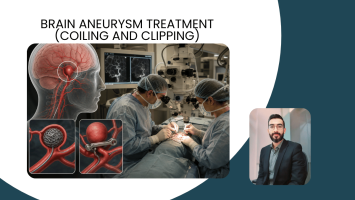
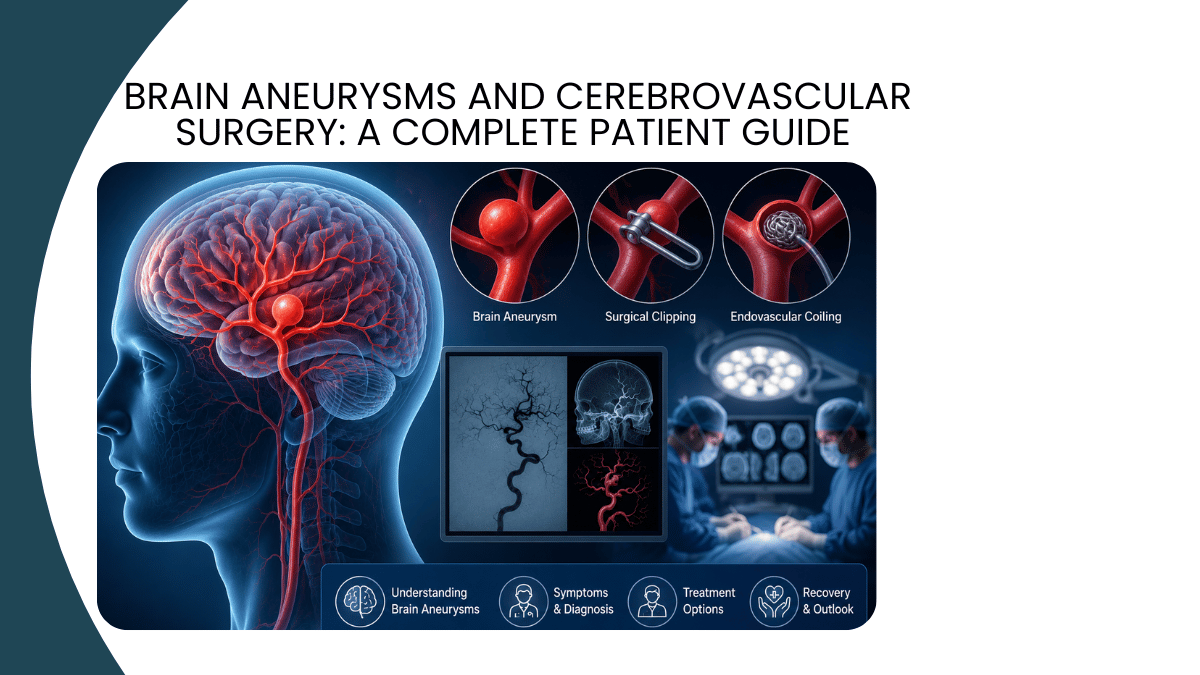
Endovascular neurosurgery focuses on minimally invasive procedures to treat vascular conditions in the brain, such as aneurysms. Aneurysm treatment involves inserting a catheter through the blood vessels to reach the aneurysm site. Coils, stents, or flow diverters are used to prevent blood flow into the aneurysm, reducing the risk of rupture. This approach minimizes recovery time and reduces complications compared to traditional open surgery. Imaging technology guides the procedure, enhancing precision and safety. Endovascular techniques are vital for treating complex vascular conditions that are otherwise difficult to access, offering patients a less invasive treatment option with promising outcomes

expertise
Spine Surgery

Spine surgery addresses spinal disorders through various surgical interventions, one of which is spinal fusion. Spinal fusion involves joining two or more vertebrae to eliminate motion between them, providing stability and alleviating pain caused by conditions such as degenerative disc disease, scoliosis, or spinal stenosis. Bone grafts, metal rods, or screws are typically used to facilitate the fusion process. While spinal fusion can improve quality of life, it requires careful consideration of potential risks like reduced flexibility. Advances in surgical techniques and materials have enhanced fusion success rates and recovery, making it a cornerstone treatment for debilitating spinal conditions.

expertise
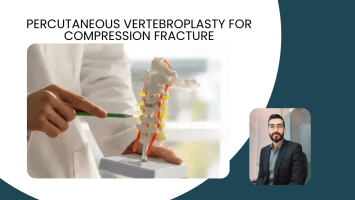
Percutaneous Vertebroplasty for Compression Fracture

Percutaneous vertebroplasty is a minimally invasive procedure designed to treat compression fractures, often due to osteoporosis. It involves injecting bone cement into the fractured vertebra to stabilize it, relieve pain, and restore vertebral height. Conducted under imaging guidance, the procedure is quick, offers immediate pain relief, and requires minimal recovery time. Vertebral augmentation through vertebroplasty is crucial for patients who do not respond to conservative treatments. It reduces the risk of further fractures and improves mobility, significantly enhancing quality of life for those with debilitating spinal fractures. This technique exemplifies advancements in treating age-related spinal conditions effectively.

expertise
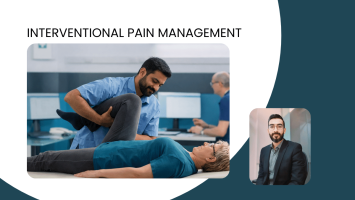
Interventional Pain Management

Interventional pain management utilizes various techniques, such as nerve blocks, to alleviate chronic pain. Nerve blocks involve injecting anesthetic or anti-inflammatory substances near nerves, interrupting pain signals. This targeted approach provides significant relief for conditions like arthritis, migraines, or neuropathic pain. It can also serve as a diagnostic tool to identify pain sources. Nerve blocks offer an alternative to long-term medication use, reducing dependency on opioids. They are often part of a comprehensive pain management strategy, enabling patients to engage in physical therapy and other treatments. This minimally invasive intervention is pivotal in managing complex pain syndromes effectively.

expertise
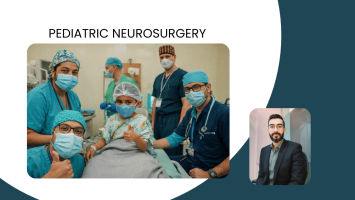
Pediatric Neurosurgery

Pediatric neurosurgery addresses neurological disorders in children, including congenital brain disorders. These conditions, present from birth, encompass a range of issues like neural tube defects, hydrocephalus, or brain malformations. Early intervention through surgical procedures can correct or manage these disorders, improving developmental outcomes. Pediatric neurosurgeons employ advanced imaging and minimally invasive techniques to minimize risks during surgery. The complexity of congenital brain disorders requires a multidisciplinary approach, involving neurosurgeons, pediatricians, and therapists. By addressing these conditions early, pediatric neurosurgery plays a critical role in enhancing the quality of life and developmental potential of affected children.

expertise
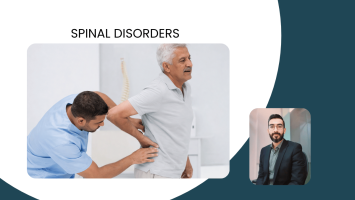
Spinal Disorders

Spinal disorders encompass a range of conditions affecting the spine, with herniated discs being a common issue. A herniated disc occurs when the inner gel-like core of a spinal disc protrudes through its outer layer, compressing nearby nerves. This can cause pain, numbness, or weakness, often impacting the lower back or neck. Treatment varies from conservative methods like physical therapy and medication to surgical interventions for severe cases. Understanding the underlying cause of disc herniation is vital for effective management. Advances in minimally invasive surgeries have improved outcomes for patients, emphasizing the importance of tailored treatment strategies for spinal health.

expertise
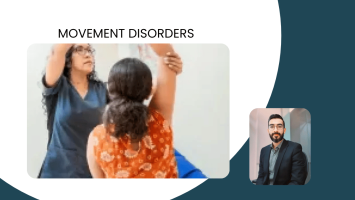
Movement Disorders

Movement disorders, such as Parkinson’s disease, affect the nervous system, impairing movement control. Parkinson’s disease is characterized by tremors, stiffness, and bradykinesia due to dopamine-producing neuron degeneration. Treatment includes medication like levodopa to manage symptoms, but deep brain stimulation (DBS) offers significant benefits for advanced cases. DBS involves implanting electrodes in specific brain areas, modulating abnormal signals to improve motor function. This surgical approach can reduce medication needs and enhance quality of life. Movement disorders require comprehensive management, combining medical, surgical, and rehabilitative strategies to address motor and non-motor symptoms effectively.

Dr. Robin Gupta's Expert Tips & Health Insights

Latest

Articles by Dr. Robin Gupta

https://d2vvc091k8tmib.cloudfront.net/s3fs-public/2026-03/9_22.png
https://d2vvc091k8tmib.cloudfront.net/s3fs-public/2025-06/WhatsApp%20Image%202025-06-21%20at%2017.13.39_2f6ac590_0.jpg
By: Dr. Robin Gupta
23 June 2025

Advancing Spinal Surgery – Instrumentation, Trauma, and Tumor Management

Spinal disorders from degenerative conditions to traumatic injuries and tumors demand highly specialized surgical intervention. With meticulous skill and a multidisciplinary mindset, Dr. Robin Harshvardhan Gupta stands at the vanguard of comprehensive spinal care.
Read More
https://d2vvc091k8tmib.cloudfront.net/s3fs-public/2026-03/10_22.png
https://d2vvc091k8tmib.cloudfront.net/s3fs-public/2025-06/WhatsApp%20Image%202025-06-21%20at%2017.13.39_2f6ac590_0.jpg
By: Dr. Robin Gupta
23 June 2025

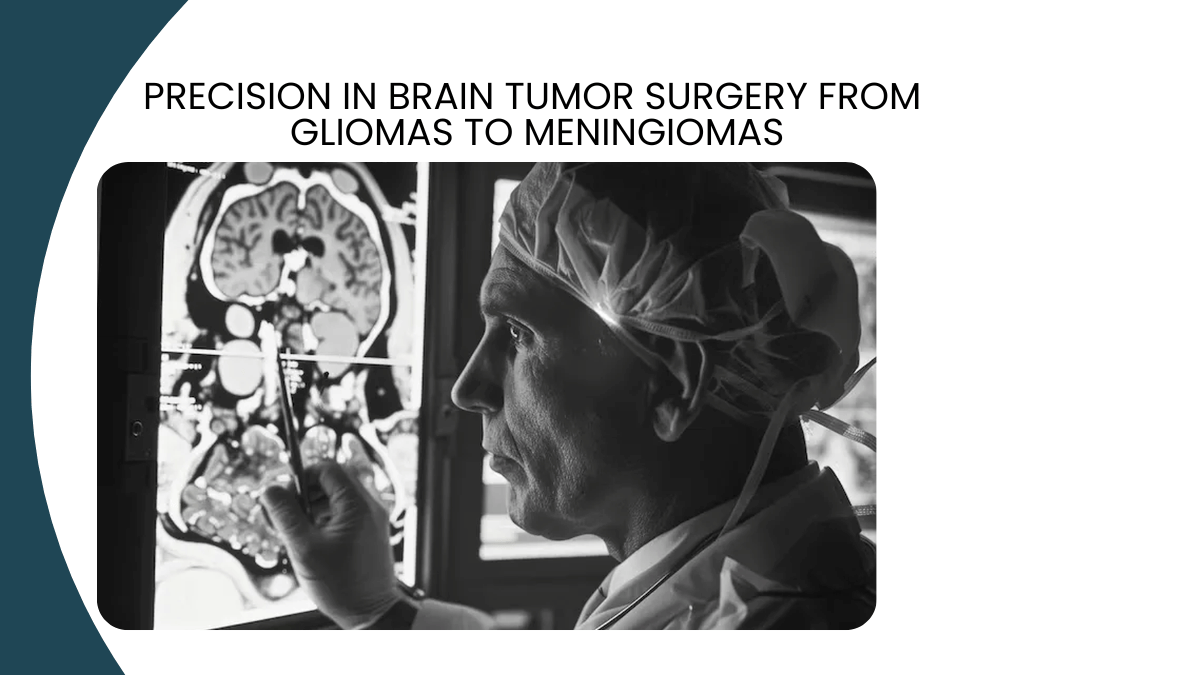
Precision in Brain Tumor Surgery – From Gliomas to Meningiomas

The management of brain tumors requires impeccable surgical precision, detailed anatomical knowledge, and nuanced decision-making. Dr. Robin Harshvardhan Gupta possesses all these qualities and more, honed through years of rigorous training and hands-on experience.
Read More
https://d2vvc091k8tmib.cloudfront.net/s3fs-public/2026-03/11_15.png
https://d2vvc091k8tmib.cloudfront.net/s3fs-public/2025-06/WhatsApp%20Image%202025-06-21%20at%2017.13.39_2f6ac590_0.jpg
By: Dr. Robin Gupta
23 June 2025

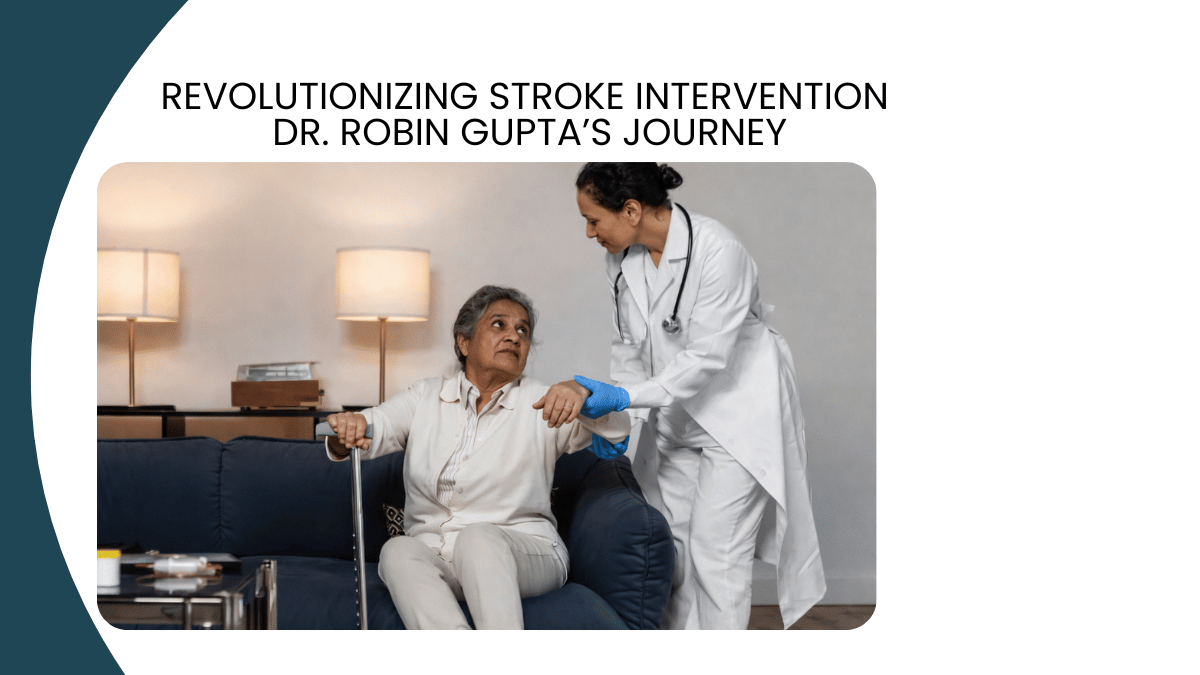
Revolutionizing Stroke Intervention – Dr. Robin Gupta’s Journey

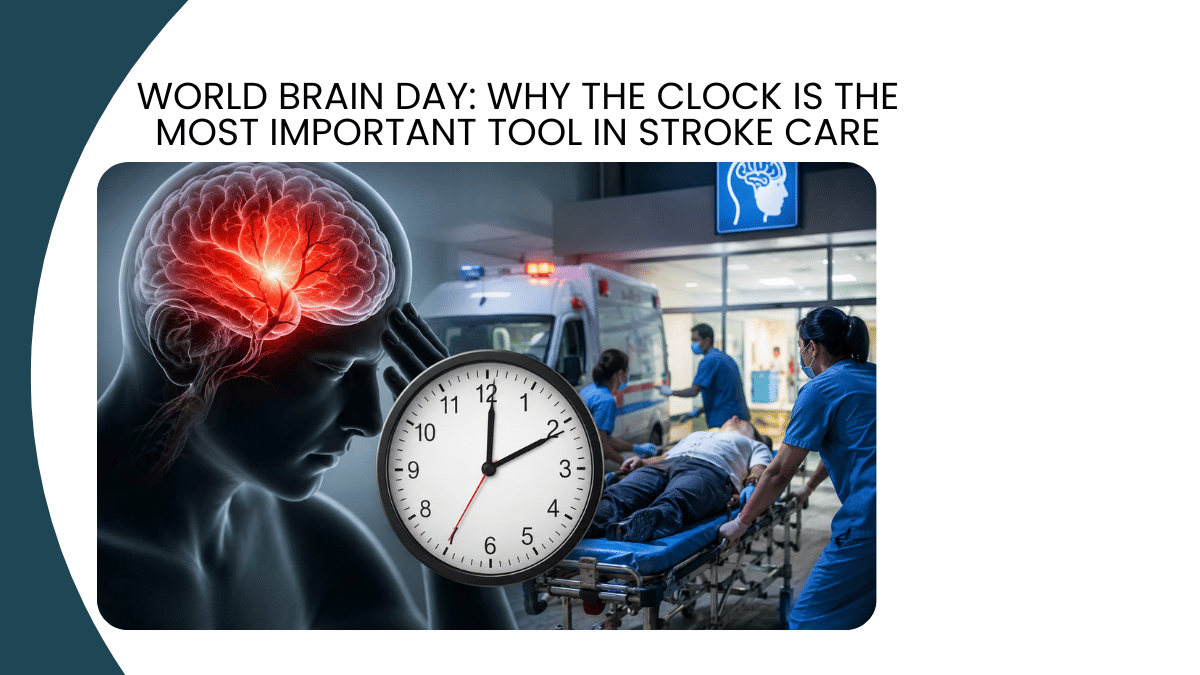
Acute ischemic stroke is one of the leading causes of disability worldwide. Decisive, timely intervention can mean the difference between full recovery and lifelong impairment. At the forefront of transforming stroke care in India is Dr. Robin Harshvardhan Gupta, whose focused training and clinical experience have helped expand access to advanced
Read More

Dr. Robin Gupta's Reviews

Dr. Robin Gupta's Reviews

Frequently Asked Questions

Sort By:

Frequently Asked Questions

What conditions can be treated using minimally invasive neurosurgery?

Conditions such as brain tumors, spinal disc herniation, spinal stenosis, aneurysms, hydrocephalus, and certain types of epilepsy can be effectively treated with minimally invasive neurosurgery. Techniques like endoscopic brain surgery, keyhole craniotomy, and microdiscectomy are commonly used to address these problems with enhanced precision and safety.

What are minimally invasive neurosurgical techniques?

Minimally invasive neurosurgical techniques involve performing brain and spine surgeries through small incisions using specialized instruments and advanced imaging guidance like microscopes and endoscopes. These approaches reduce trauma to surrounding tissues, leading to faster recovery, less pain, lower infection risk, and shorter hospital stays compared to traditional open surgeries.

What are endovascular procedures in neurosurgery?

Endovascular procedures are minimally invasive techniques where surgeons treat brain and spine vascular conditions by navigating catheters through blood vessels, typically via the groin or wrist. These are used for conditions like aneurysms, arteriovenous malformations (AVMs), and stroke, allowing treatment without open surgery.

What are the benefits of endovascular procedures compared to traditional surgery?

Endovascular procedures offer benefits such as reduced surgical risk, minimal scarring, shorter recovery times, and lower complication rates. Patients often experience less pain and quicker discharge compared to conventional open surgeries, making them a safer option for many vascular neurological disorders.

What is the difference between intra-arterial thrombolysis and mechanical thrombectomy?

Intra-arterial thrombolysis involves delivering clot-dissolving medication directly into the blocked artery to restore blood flow in acute ischemic stroke. Mechanical thrombectomy, on the other hand, uses specialized devices like stent retrievers or aspiration catheters to physically remove the clot from the brain's blood vessels. Both aim to quickly reopen blocked arteries and minimize brain damage.

When are these procedures recommended for stroke patients?

These procedures are typically recommended for acute ischemic stroke caused by large vessel occlusion, especially if patients present within the first 6 to 24 hours of symptom onset. Mechanical thrombectomy is often preferred for large clots, while intra-arterial thrombolysis may be used when clot removal is challenging or as an adjunct to thrombectomy.

Link copied to clipboard!

Reach Dr. Robin Gupta

Manipal Hospital Hebbal

Kirloskar Business Park, Manipal Hospital, Bellary Rd, Bengaluru, Karnataka 560024