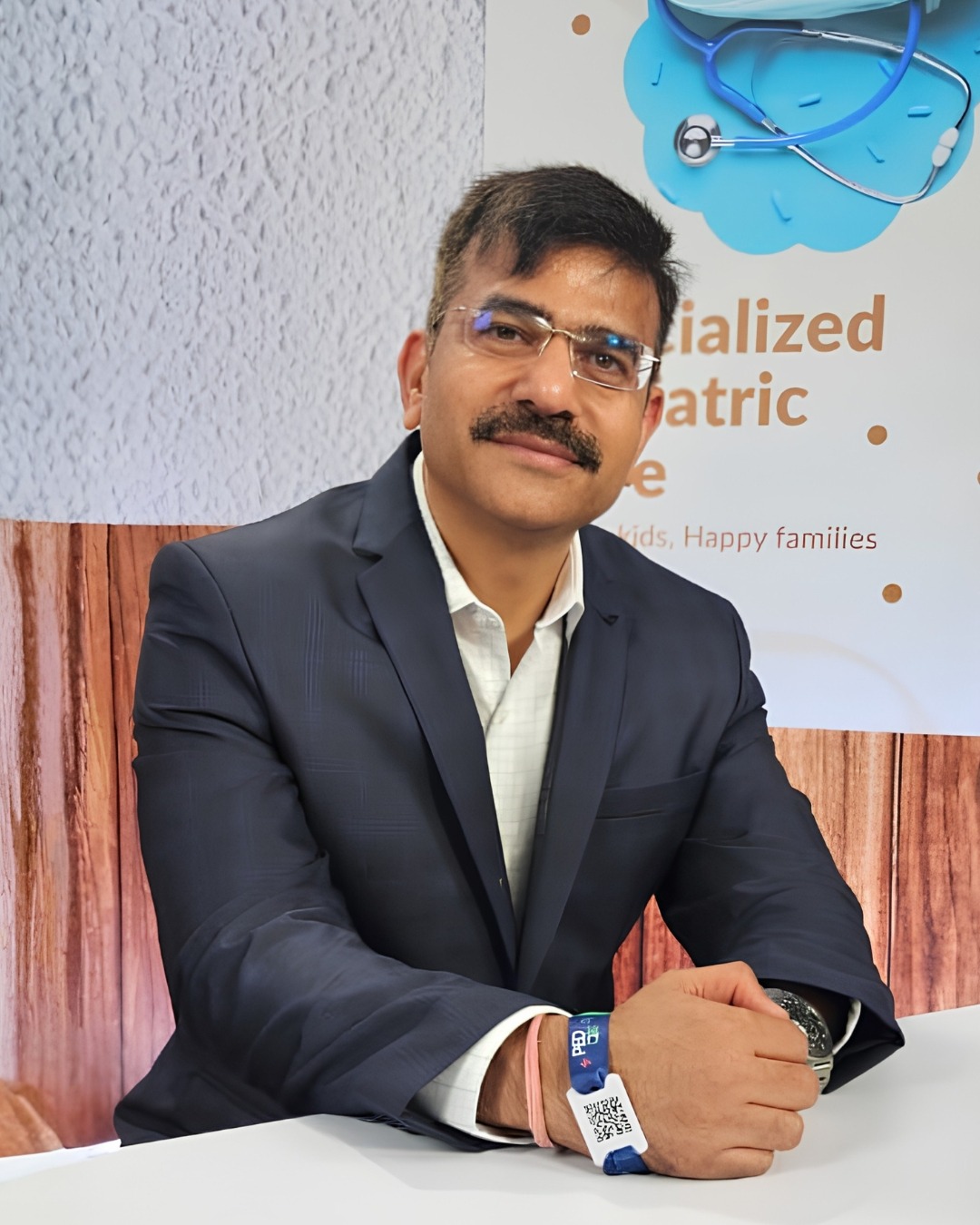
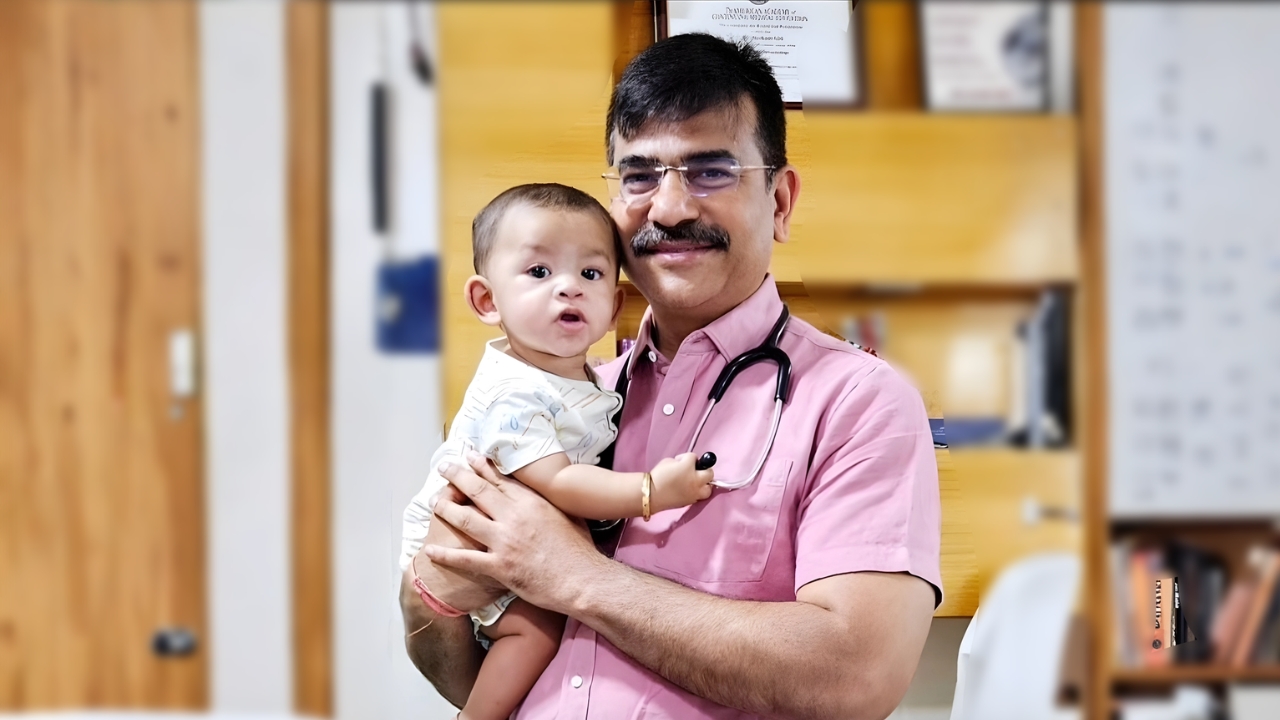


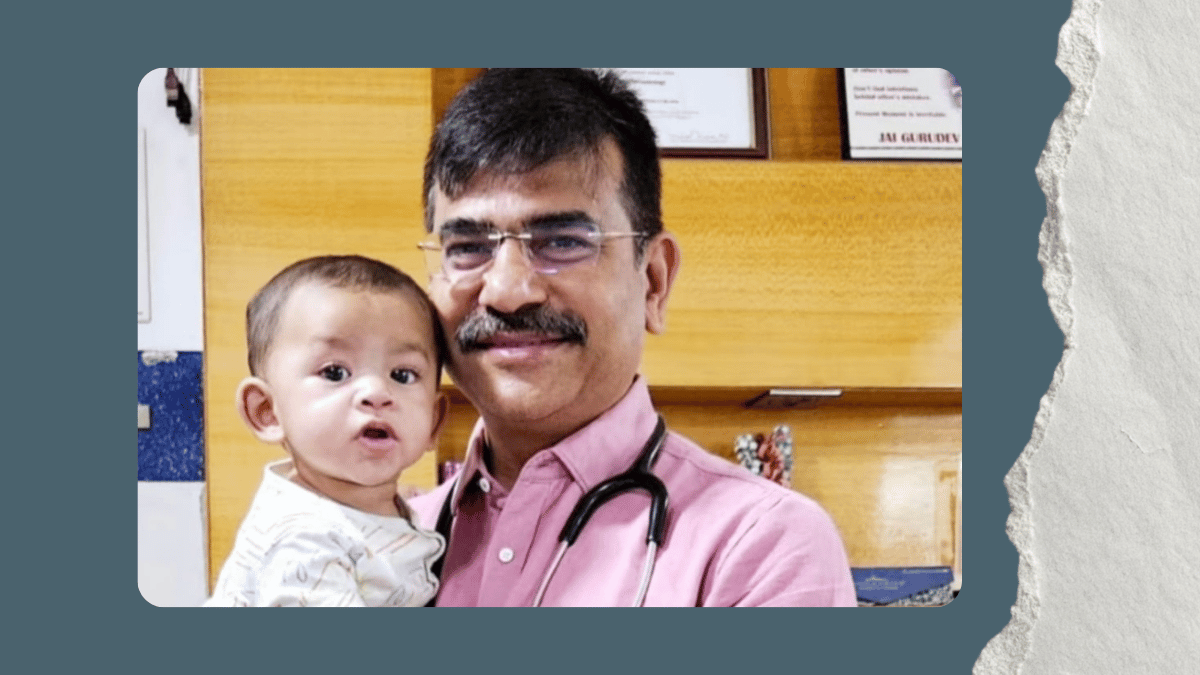


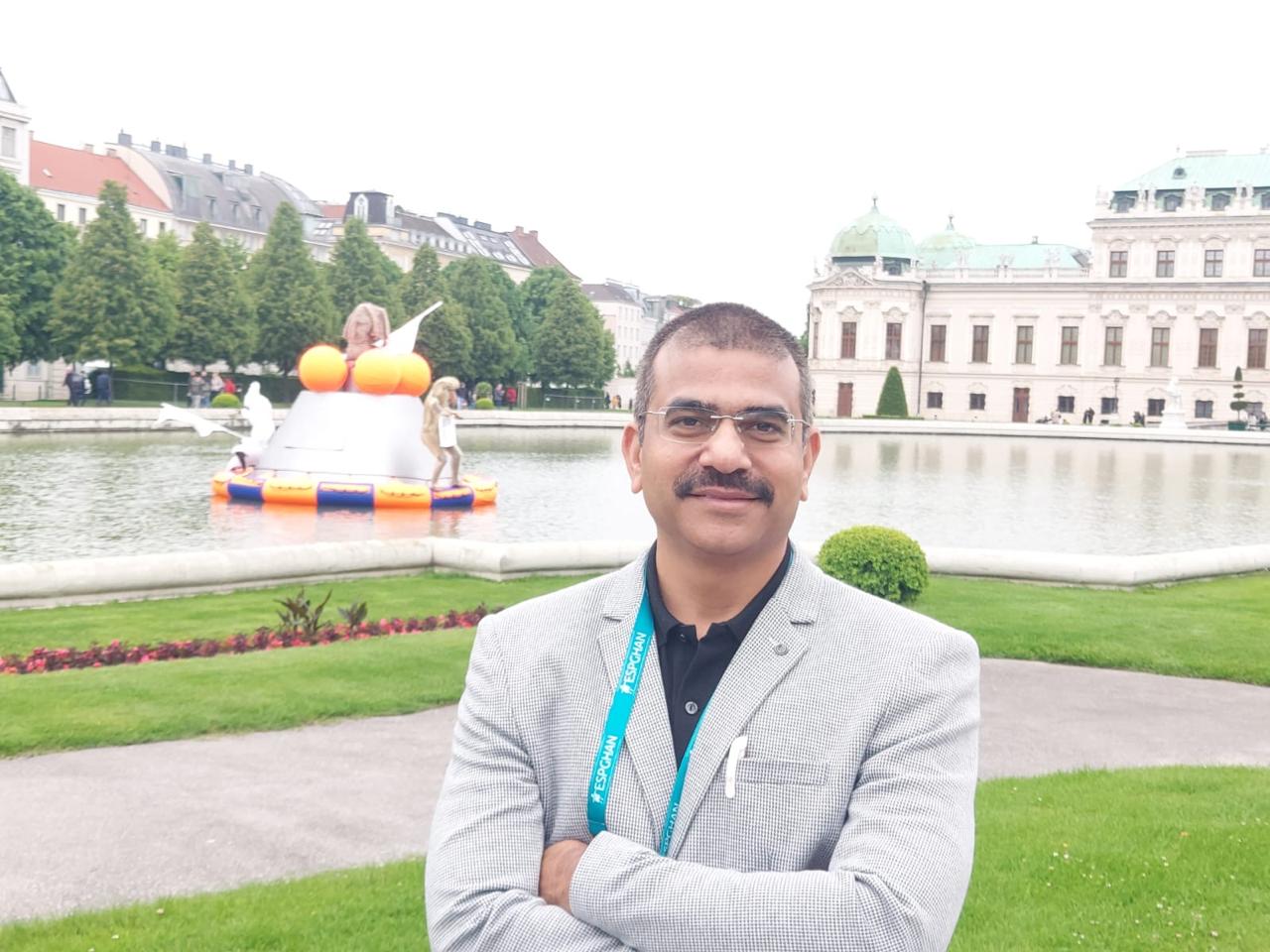
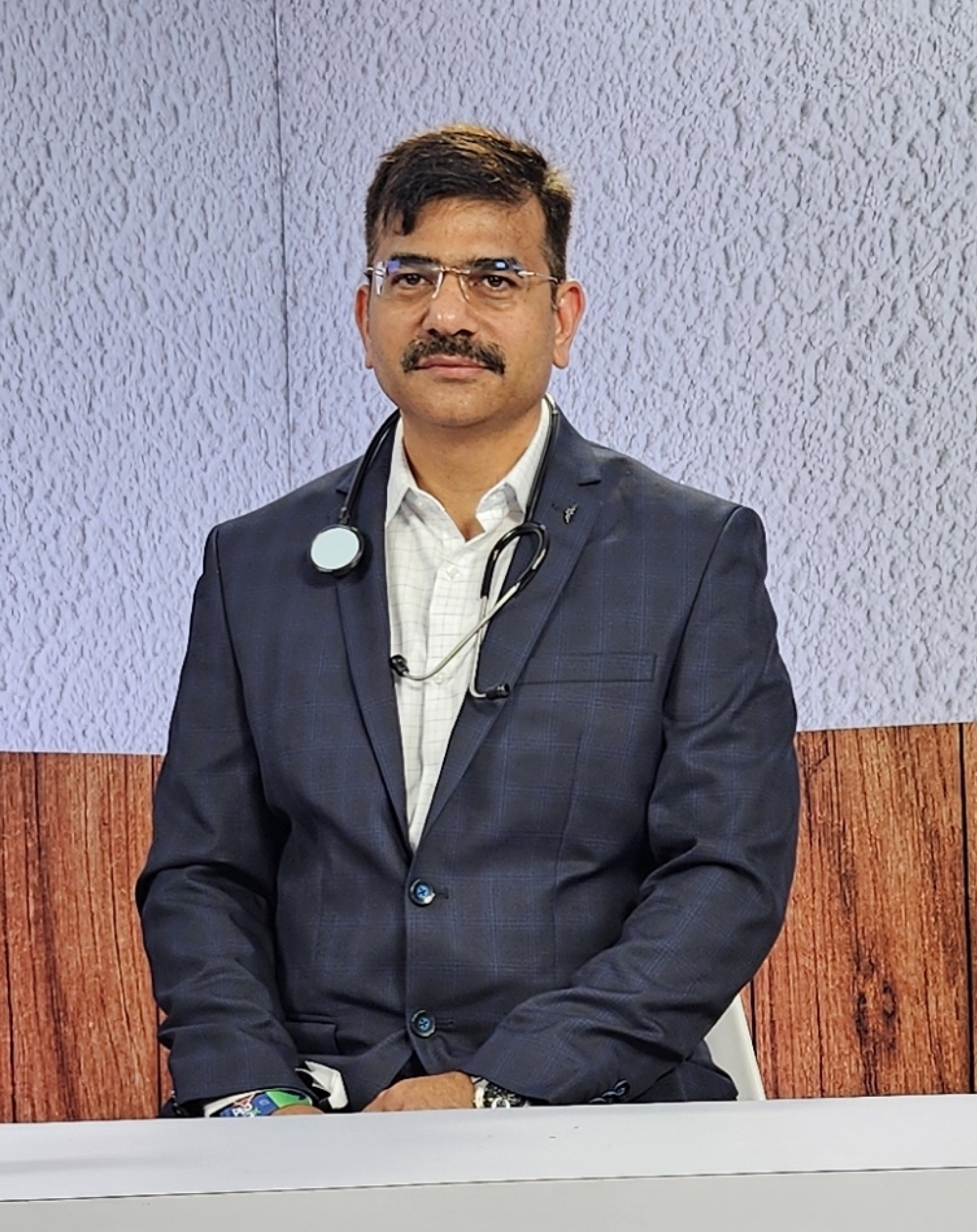
Dr. Shrikant Giri

Dr. Shrikant Giri

Director - SHRI SHISHU BHAWAN, MATRIARCH by Shri shishu bhawan. Coordinator and teacher - DNB Postgraduate Institute, Bilaspur, Chhattisgarh

MD (Pediatrics), DPAA, FAAP

20+ Years of Experience

25000+ Children cared.

20+ Years of Experience

25000+ Children cared.

LinQ Card

About Dr. Shrikant Giri

Dr. Shrikant Giri is a highly experienced Pediatrician, Neonatologist, Pediatric Allergy & Asthma Specialist, and Pediatric Pulmonologist in Bilaspur, Chhattisgarh, with over 20 years of expertise in delivering comprehensive healthcare for newborns, infants, children, and adolescents. As the Director of Shri Shishu Bhawan and Coordinator of the DNB Postgraduate Institute, he is committed to providing evidence-based, family-centred pediatric care. His areas of expertise include childhood asthma, recurrent wheezing, pediatric allergy, allergic rhinitis, respiratory disorders, neonatal intensive care, and preventive child healthcare. Dr. Giri offers advanced diagnostic services including Allergy Skin Prick Testing, Spirometry, Lung Oscillometry, FeNO testing, Pediatric Bronchoscopy, and Pediatric Endoscopy for accurate diagnosis and treatment. Shri Shishu Bhawan also features a state-of-the-art NICU, dedicated Pediatric Cardiology & Pediatric CTVS services, and works alongside MATRIARCH Mother & Child Hospital, offering premium birthing and compassionate maternity care under the leadership of Dr. Pallavi. Together, they provide seamless, comprehensive mother and child healthcare from pregnancy through adolescence.


https://d2vvc091k8tmib.cloudfront.net/s3fs-public/2026-06/Dr.%20Srikanth%20Giri.jpg

Dr. Shrikant Giri specializes in Pediatric Allergy, Childhood Asthma, Pediatric Pulmonology, and Neonatal Care, offering advanced diagnosis and treatment for a wide range of respiratory and allergic conditions in children. With over 20 years of experience, he provides expert management of asthma, recurrent wheezing, allergic rhinitis, chronic cough, food allergies, skin allergies, and other pediatric allergic disorders. His practice is equipped with advanced diagnostic facilities including Allergy Skin Prick Testing, Spirometry, Lung Oscillometry, and FeNO testing, enabling accurate assessment and personalized treatment plans. As a leading Pediatric Allergy and Asthma Specialist in Bilaspur, Dr. Giri focuses on early diagnosis, preventive care, and long-term disease control to improve children's quality of life. His expertise in pediatric pulmonology and allergy-immunology, combined with a compassionate, child-centric approach, helps families effectively manage chronic respiratory conditions while ensuring healthy growth, development, and overall well-being for their children.


Dr. Shrikant Giri's Areas of expertise

  • General Paediatrics - Comprehensive healthcare for infants, children, and adolescents.
  • Pediatric Allergy & Immunology - Diagnosis and treatment of food allergies, skin allergies, allergic rhinitis, eczema, and immune-related disorders.
  • Childhood Asthma Management - Comprehensive evaluation, treatment, and long-term management of asthma and recurrent wheezing.
  • Pediatric Pulmonology - Expert care for chronic cough, recurrent chest infections, breathing difficulties, and childhood lung diseases.
  • Allergy Diagnostics - Advanced allergy assessment with Allergy Skin Prick Testing and other evidence-based diagnostic methods.
  • Lung Function Testing - Specialized respiratory evaluation using Spirometry, Lung Oscillometry, and FeNO testing.
  • Neonatology & Newborn Care - Care for premature babies, high-risk newborns, neonatal illnesses, and NICU follow-up.
  • Pediatric Respiratory Disorders - Management of recurrent respiratory infections, wheezing disorders, airway allergies, and breathing problems.
  • Growth, Nutrition & Development - Growth monitoring, nutritional assessment, developmental evaluation, and preventive child healthcare.
  • Vaccination & Preventive Child Healthcare - Immunization, routine health check-ups, early disease detection, and parental counselling.
Awards & Recognition:
  • Abstract Poster of the Year Award – State Conference (2012)
  • Best Research Paper Award – State Conference (2013)
  • Registered NRP Instructor – Indian Academy of Pediatrics (IAP) & National Neonatology Forum (NNF)
  • State Basic NRP Coordinator
  • Regional Advanced NRP Instructor
  • Mentor & Facilitator for Specialized Neonatal Care Units (SNCUs) in tribal districts of Chhattisgarh.
Research Publications:
  • Association of Cranial Ultrasonography Findings with Intrauterine Growth Restriction in Term Neonates
    International Journal of Contemporary Pediatrics (2025)
  • Clinical Profile and Short-Term Outcomes of Whole-Body Therapeutic Hypothermia in Hypoxic Ischemic Encephalopathy
    International Journal of Pharmaceutical Quality Assurance (2025)
  • Comparison of Transcutaneous Bilirubin Measurement with Total Serum Bilirubin Levels in Preterm Neonates Receiving Phototherapy
    African Journal of Biomedical Research (2024)
  • Cranial Ultrasonography Findings in Late Preterm Neonates
    International Journal of Current Pharmaceutical Review and Research (2025)
  • Real-Time Insight: POCUS Integration for Optimal Umbilical Vein Catheterization
    Frontiers in Health Informatics (2024)
  • Thesis: Clinical Evaluation of Epileptic Seizures in Children and its Correlation with EEG & CT Scan.
  • FAAP (Fellowship in Advanced Allergy Procedures) – Advanced training in allergy diagnostics and procedures.
  • DPAA (Diploma in Pediatric Allergy & Asthma) – Specialized qualification in pediatric allergy, asthma, and immunological disorders.
  • MD (Pediatrics) – 2002
    Gandhi Medical College, Bhopal, Madhya Pradesh
  • MBBS – 1999
    Pt. J.N.M. Medical College, Raipur, Chhattisgarh
  • Fellowship in Critical Care – 2003
    Indian Academy of Pediatrics (IAP) 

Patient Reviews

Dr. Shrikant Giri, MD Pediatrics - Best Child Doctor In Bilaspur

Google ★ ★ ★ ★ ★ 4.9/5 (3017 reviews)
AI

AI Summary

5 reviews • 5★

Loading...
Rishan kumar Rishan kumar

Rishan kumar Rishan kumar

4 months ago

★ ★ ★ ★ ★
My daughter fell in the playground and had a deep cut on her knee. The emergency team at Shri Shishu Bhawan did the First Aid and Tetanus shot so smoothly that she didn't even cry. Very cooperative nursing staff.
Sunita Wadhwani

Sunita Wadhwani

2 months ago

★ ★ ★ ★ ★
I appreciate the professionalism and dedication of Dr. Giri Sir and the entire team at All Diagnosis. The center is hygienic, well-maintained, and provides quality services at reasonable prices. Highly recommended
Kishan Kishan kewat

Kishan Kishan kewat

3 months ago

★ ★ ★ ★ ★
All Diagnosis provides excellent diagnostic services. Dr. Giri Sir is very professional and knowledgeable. The staff is cooperative, and the overall experience was smooth and comfortable. Highly recommended for anyone looking for trustworthy diagnostic services.
JALESHVAR Krry

JALESHVAR Krry

4 months ago

★ ★ ★ ★ ★
"Emergency services at Shri Shishu Bhawan are top-notch. The doctors are available 24/7 and they don't waste a single minute in starting the treatment. Highly thankful to Dr. Giri.sir
Abhi Maravi

Abhi Maravi

4 months ago

★ ★ ★ ★ ★
Highly recommend Shri Shishu Bhawan for any child health issues. Reasonable fees and expert medical adviceQuick recovery for my nephew after visiting Dr. Shrikant Giri. Thank you to the entire nursing team for the support."

Conditions and Treatments

Pediatric Allergy & Immunology

Pediatric allergies can affect a child's health, comfort, and daily activities. Dr. Shrikant Giri specializes in diagnosing and managing conditions such as food allergies, allergic rhinitis, eczema, and immune-related disorders. Through evidence-based treatment and personalized care, he helps children achieve better symptom control and long-term well-being.

Childhood Asthma Management

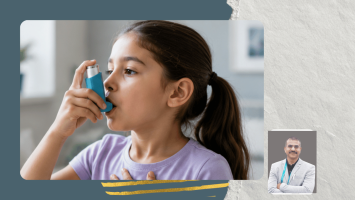
Asthma requires timely diagnosis and comprehensive management to ensure a healthy childhood. Dr. Shrikant Giri provides specialized care for children with recurrent wheezing, breathlessness, and chronic respiratory symptoms. His individualized treatment approach helps improve asthma control, reduce flare-ups, and support an active lifestyle.

Pediatric Pulmonology

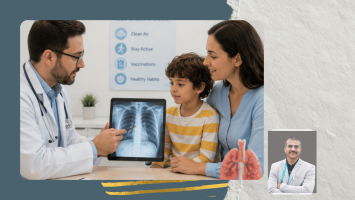
Respiratory disorders can significantly impact a child's growth and quality of life. Dr. Shrikant Giri offers expert evaluation and treatment for chronic cough, recurrent chest infections, breathing difficulties, and other pediatric lung conditions. His focus is on accurate diagnosis, effective treatment, and long-term respiratory health.

Allergy Diagnostics
Allergy Diagnostics

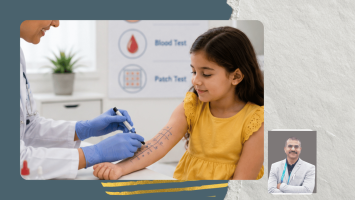
Early identification of allergy triggers is essential for effective treatment and prevention. Dr. Shrikant Giri utilizes advanced diagnostic methods, including Allergy Skin Prick Testing, to accurately determine the causes of allergic symptoms. This enables targeted treatment plans that improve outcomes and enhance quality of life.

Lung Function Testing

Advanced lung function testing plays a crucial role in assessing respiratory health in children. Dr. Shrikant Giri is experienced in performing and interpreting Spirometry, Lung Oscillometry, and FeNO testing for accurate diagnosis and monitoring. These investigations support personalized treatment strategies and better long-term respiratory care.

Neonatology and NICU Care at Shri Shishu Bhawan, Bilaspur

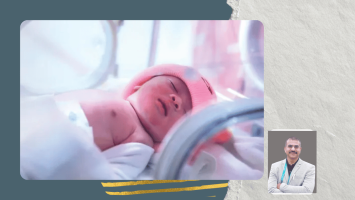
The Neonatal Intensive Care Unit at Shri Shishu Bhawan represents the most advanced level of newborn care available in Bilaspur and across Chhattisgarh for the most critically ill newborns - premature infants, babies with hypoxic-ischaemic encephalopathy, neonates with respiratory failure, infection, surgical emergencies, and metabolic crises whose outcomes depend on the quality of care in the first hours and days of life. Dr. Shrikant Giri, Director of Shri Shishu Bhawan and MATRIARCH Mother and Child Hospital, brings to this NICU a clinical profile that is among the most specialised in neonatal medicine in the region: Registered NRP Instructor for both IAP and NNF, State Basic NRP Coordinator, and Regional Advanced NRP Instructor - qualifications that reflect not only his clinical competency in neonatal resuscitation but his role in training healthcare professionals across Chhattisgarh in newborn emergency response. His published research in therapeutic hypothermia for hypoxic-ischaemic encephalopathy - the treatment that reduces brain injury in asphyxiated newborns by cooling the baby to 33 to 34 degrees Celsius for 72 hours - reflects a direct clinical contribution to the management of one of neonatal medicine's most serious emergencies. Cranial ultrasonography for brain injury assessment, POCUS guidance for umbilical vein catheterisation, and research on bilirubin measurement in preterm neonates add to a portfolio of clinical and academic work that is directly relevant to the babies he manages. As Mentor and Facilitator for SNCUs in tribal districts of Chhattisgarh, he has extended specialist neonatal knowledge to healthcare professionals in areas where access to tertiary neonatal services has historically been the greatest challenge.

 Newborn Warning Signs and Safe Newborn Care
Newborn Warning Signs and Safe Newborn Care

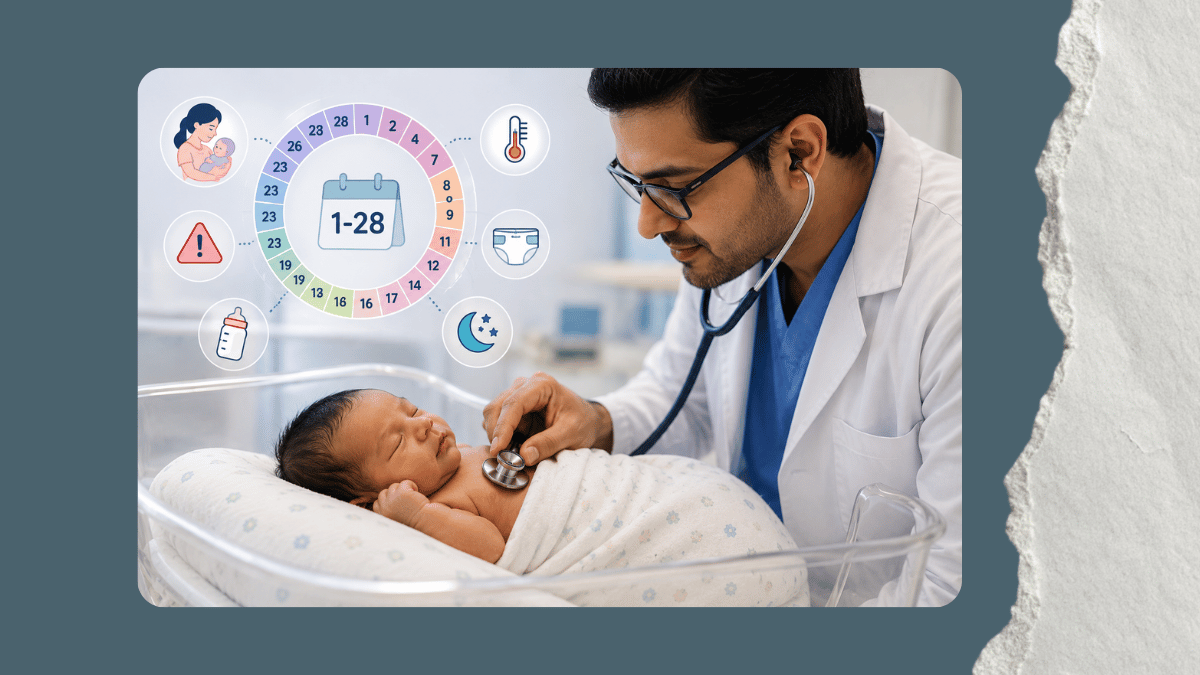
The first 28 days of a baby's life are the period of greatest clinical risk in all of childhood, and the warning signs that require emergency attention are specific, identifiable, and - critically - are signs that parents can be taught to recognise. Newborns deteriorate faster than older children, and what is a manageable emergency at presentation can become a critical one within hours if action is delayed. Knowing when to go to hospital immediately, rather than watching and waiting, is one of the most important things a family can take from a neonatal consultation. Dr. Shrikant Giri, Director of Shri Shishu Bhawan, Bilaspur, with 20 years of neonatal clinical experience and as a Regional Advanced NRP Instructor, provides the following guidance for families in Bilaspur and Chhattisgarh. Seek emergency care immediately - do not wait - if your newborn has: blue or grey colour to the face, lips, or trunk; breathing that is very fast (above 60 per minute), very laboured, or that has stopped; fits or seizures (rhythmic jerking, eye deviation, stiffening); extreme limpness or inability to be roused; bulging of the soft spot on the top of the head; fever of 38 degrees Celsius or above in a baby under 3 months; inability to wake for feeds; projectile vomiting after every feed; blood in stool or vomit; jaundice appearing in the first 24 hours, or jaundice spreading to the palms and soles. For safe sleep, place the baby on their back on a firm flat surface for every sleep - this practice has dramatically reduced SIDS rates globally. Vaccination at birth includes BCG, OPV, and Hepatitis B - all recommended and safe. Newborn screening at Shri Shishu Bhawan includes OAE hearing assessment, pulse oximetry for congenital heart disease, and metabolic screening including congenital hypothyroidism - early identification allows treatment before any harm occurs.

Physiological and Pathological Neonatal Jaundice: The Distinction That Guides Every Decision

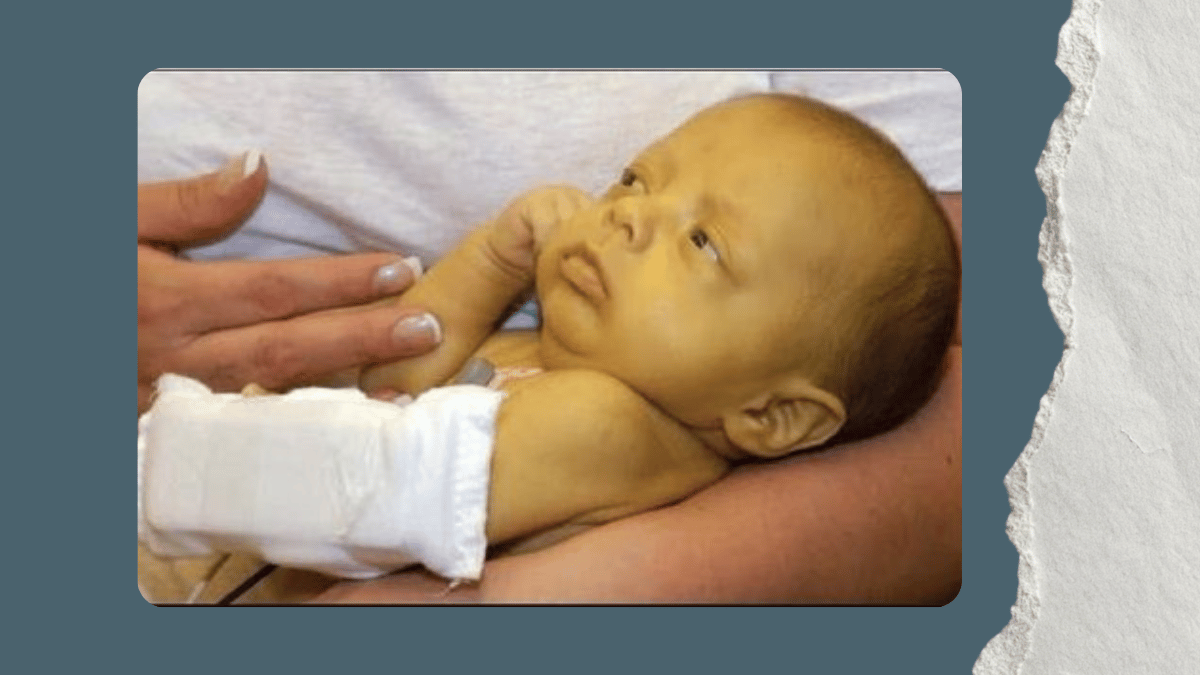
More than half of all term newborns develop visible jaundice in the first week of life, which is why the yellow colour of a newborn baby is one of the most common findings parents and clinicians encounter in the neonatal period. The vast majority of this jaundice is physiological: it follows a predictable pattern, it arises from a normal biological process, and it resolves without treatment. But within this very common and usually benign condition sits a subset of jaundice that is pathological, arising from a different mechanism, and capable of rising to dangerous levels if not identified and treated promptly. The clinical skill in neonatal jaundice management is distinguishing between the two with precision. Dr. Shrikant Giri, MD Paediatrics, Fellowship in Critical Care (IAP), Director of Shri Shishu Bhawan and Coordinator and Teacher at the DNB Postgraduate Institute, Bilaspur, Chhattisgarh, with published research on transcutaneous bilirubin measurement in preterm neonates conducted at Shri Shishu Bhawan, has made the accurate, non-invasive monitoring of bilirubin in newborns a specific area of clinical and research focus. Physiological jaundice follows a specific temporal pattern: it does not appear in the first 24 hours of life, it peaks between day three and day five, and it resolves by two weeks in term babies and by three weeks in premature babies. The biology is straightforward: the newborn has a higher red blood cell load than an adult, those cells have a shorter lifespan, and the immature liver processes the bilirubin produced by their breakdown more slowly than a mature liver. This is a normal adaptation, not a disease. Pathological jaundice departs from this pattern in specific ways. Jaundice appearing within the first 24 hours of life is always pathological and always requires urgent blood tests and assessment, because it almost always represents haemolytic jaundice from blood group incompatibility, most commonly Rh incompatibility or ABO incompatibility between mother and baby, where maternal antibodies cross the placenta and destroy fetal red blood cells, producing bilirubin at a rate far exceeding the liver's capacity to process it. Jaundice that progresses very rapidly after the physiological phase, jaundice that persists beyond two weeks in a term baby, jaundice accompanied by pale or clay-coloured stools and dark urine indicating a liver or bile duct problem, and jaundice in a baby who is unwell or feeding poorly are all indications for urgent assessment. Transcutaneous bilirubin measurement, which uses a handheld device pressed gently against the newborn's skin to estimate bilirubin without a needle, is used at Shri Shishu Bhawan as the first-line screening tool for jaundice assessment, validated by Dr. Giri's own published research in preterm neonates, to reduce the number of blood samples a newborn requires while maintaining the accuracy needed to keep every baby safe.

Dr. Shrikant Giri's Expert Tips & Health Insights

Latest

Articles by Dr. Shrikant Giri

https://d2vvc091k8tmib.cloudfront.net/s3fs-public/2026-09/Neonatal%20Jaundice%20A%20Neonatologist%27s%20Guide%20to%20What%20Parents%20Need%20to%20Know.png
https://d2vvc091k8tmib.cloudfront.net/s3fs-public/2026-07/Dr.%20Shrikant%20Giri.jpeg
By: Dr. Shrikant Giri
05 September 2026

Neonatal Jaundice: A Neonatologist's Guide to What Parents Need to Know

A Neonatologist with published research on bilirubin measurement in preterm newborns explains neonatal jaundice: what causes the yellow colour, how to tell normal from abnormal, when phototherapy is needed, what kernicterus is and why it is entirely preventable, at Shri Shishu Bhawan, Bilaspur.
Read More
https://d2vvc091k8tmib.cloudfront.net/s3fs-public/2026-08/The%20First%2028%20Days%20of%20Life%20A%20Neonatologist%27s%20Complete%20Guide%20to%20Newborn%20Health%2C%20Warning%20Signs%2C%20and%20Early%20Care.png
https://d2vvc091k8tmib.cloudfront.net/s3fs-public/2026-07/Dr.%20Shrikant%20Giri.jpeg
By: Dr. Shrikant Giri
05 August 2026

The First 28 Days of Life: A Neonatologist's Complete Guide to Newborn Health, Warning Signs, and Early Care

A neonatologist's complete guide to the first 28 days - normal newborn appearance, feeding, jaundice, breathing, warning signs, vaccinations, and when to seek emergency care.
Read More
https://d2vvc091k8tmib.cloudfront.net/s3fs-public/2026-07/Know%20Your%20Doctor_%20Paediatric%20Allergy%20and%20Asthma%20Specialist%20in%20Bilaspur%20_%20Dr%20Shrikant%20Giri.png
https://d2vvc091k8tmib.cloudfront.net/s3fs-public/2026-07/Dr.%20Shrikant%20Giri.jpeg
By: Dr. Shrikant Giri
18 June 2026

Know Your Doctor: Paediatric Allergy and Asthma Specialist in Bilaspur | Dr Shrikant Giri

Discover how a paediatric allergy and asthma specialist can help diagnose and manage allergies, asthma, wheezing, and respiratory conditions in children.
Read More
https://d2vvc091k8tmib.cloudfront.net/s3fs-public/2026-07/The%20Power%20of%20Trust_%20Building%20Strong%20Partnerships%20Between%20Parents%20and%20Doctors.png
https://d2vvc091k8tmib.cloudfront.net/s3fs-public/2026-07/Dr.%20Shrikant%20Giri.jpeg
By: Dr. Shrikant Giri
16 June 2026

The Power of Trust: Building Strong Partnerships Between Parents and Doctors

Discover why trust between parents and paediatricians is essential for better child healthcare, effective communication, informed decisions, and positive health outcomes.
Read More
https://d2vvc091k8tmib.cloudfront.net/s3fs-public/2026-07/Raising%20Resilient%20Children%20in%20a%20Digital%20World_%20Lessons%20Every%20Parent%20Should%20Know.png
https://d2vvc091k8tmib.cloudfront.net/s3fs-public/2026-07/Dr.%20Shrikant%20Giri.jpeg
By: Dr. Shrikant Giri
16 June 2026

Raising Resilient Children in a Digital World: Lessons Every Parent Should Know

Learn practical strategies to raise resilient children in the digital age. Discover the importance of healthy habits, communication, screen balance, and emotional well-being.
Read More

Frequently Asked Questions

Frequently Asked Questions

View all

My baby has been started on phototherapy. Is this serious? What does it mean?

I understand that seeing your newborn placed under a bank of blue lights, with small shields over their eyes, connected to monitoring wires, is one of the more frightening sights in the first days of a new parent's experience. I want to address this directly: phototherapy for neonatal jaundice is not an emergency treatment that indicates your baby is seriously unwell. It is a preventive treatment that ensures your baby's bilirubin level does not reach the range where harm could occur. The fact that we have started phototherapy means we are acting at exactly the right time, before the bilirubin reaches the critical threshold, not after. The blue lights work by converting the bilirubin in your baby's skin into water-soluble forms that the body can excrete through urine and bile, bypassing the liver processing step that the newborn liver is temporarily too immature to handle efficiently. This is a well-understood, well-researched, and highly safe treatment. The eye shields are not there because the light harms the baby's body: they are there to protect the eyes from the specific light intensity used, as a standard precaution. Your baby is otherwise undisturbed by the phototherapy and can be taken out for feeding, which I encourage, because adequate breast milk or formula is important for maintaining hydration and because the gut plays a role in excreting the converted bilirubin products. Most babies on phototherapy for physiological or mildly pathological jaundice show a falling bilirubin level within 24 hours of starting treatment. When the level has fallen to the safe range and stayed there on two consecutive measurements, phototherapy is stopped and the baby is observed for a period before discharge. Phototherapy started at the right time is the treatment that prevents any lasting harm from jaundice: it is precisely because we have started it now that your baby will have a completely normal outcome.


Written by
Dr. Shrikant Giri, MBBS, MD (Paediatrics), Fellowship Critical Care (IAP), DPAA, FAAP, Registered NRP Instructor, State Basic NRP Coordinator, Regional Advanced NRP Instructor, Director, Shri Shishu Bhawan, Bilaspur, Chhattisgarh. Phone: +91 93009 89803. 

Should I put my jaundiced baby in sunlight at home, and can I monitor jaundice at home?

Sunlight contains the blue wavelengths that are effective for bilirubin conversion, and this is the biological truth behind the traditional practice of placing a jaundiced newborn near a window. However, I want to be direct about the limitations of this approach and the risks it carries when used as a substitute for proper monitoring and medical phototherapy. The amount of blue-spectrum light that a baby receives through a window, or even in filtered outdoor sunlight, is a fraction of the light intensity delivered by a clinical phototherapy unit. At Shri Shishu Bhawan, Bilaspur, our phototherapy equipment delivers a precise, measurable irradiance of blue light to the maximum surface area of the baby's skin. The sun delivers a variable, uncontrolled light source through the atmosphere, through window glass, through clouds, and at an intensity that changes throughout the day and between days. For a baby with mildly elevated bilirubin who is otherwise well and feeding adequately, brief periods near a sunny window are not harmful. But I do not recommend sunlight as a treatment for jaundice for several reasons. The first is that parents cannot assess whether the bilirubin is responding by looking at the skin colour: yellow colour in the skin is not a reliable real-time guide to the bilirubin level, because colour changes lag behind blood level changes. Only bilirubin measurement, by transcutaneous device or blood test, tells you whether the level is rising, falling, or stable. The second is that exposing a newborn to direct sunlight outdoors carries a risk of sunburn and overheating that is not acceptable in a baby in the first two weeks of life. The third is that if the bilirubin level is high enough to consider treatment, it should be measured and treated with precision rather than managed with an uncertain and unmeasurable intervention. If your baby has visible jaundice, the correct response is to have the bilirubin measured by a clinician: I can do this with a transcutaneous measurement at Shri Shishu Bhawan, Bilaspur without a blood test, and this tells us in two minutes whether we are in the safe range or approaching the treatment threshold.

Written by Dr. Shrikant Giri, MBBS, MD (Paediatrics), Fellowship Critical Care (IAP), DPAA, FAAP, Registered NRP Instructor, State Basic NRP Coordinator, Regional Advanced NRP Instructor, Director, Shri Shishu Bhawan, Bilaspur, Chhattisgarh. Phone: +91 93009 89803. 

What is therapeutic hypothermia and why is it important in newborn brain injury?

Therapeutic hypothermia cools an asphyxiated newborn to 33 to 34 degrees Celsius for 72 hours. This slows the cascade of brain cell death following oxygen deprivation at birth, reducing the extent of injury and improving long-term neurological outcomes in hypoxic-ischaemic encephalopathy.

Written by Dr. Shrikant Giri, MBBS , MD Paediatrics, Fellowship in Critical Care (IAP, 2003), DPAA, FAAP, Registered NRP Instructor (IAP and NNF), State Basic NRP Coordinator, Regional Advanced NRP Instructor, Director - Shri Shishu Bhawan and MATRIARCH Mother and Child Hospital, Coordinator - DNB Postgraduate Institute, Bilaspur, Chhattisgarh. 20+ years, 25,000+ children. Phone: +91 9300989803.

Why does my newborn need vaccines on the very first day of life?

BCG protects against severe tuberculosis - a real risk in infants in India and Chhattisgarh. OPV prevents polio. Hepatitis B at birth is especially important when the mother has hepatitis B, substantially reducing transmission risk. All three are safe and recommended on day one.

Written by Dr. Shrikant Giri, MBBS (Pt. J.N.M. Medical College, Raipur, 1999), MD Paediatrics (Gandhi Medical College, Bhopal, 2002), Fellowship in Critical Care (IAP, 2003), DPAA, FAAP, Registered NRP Instructor (IAP and NNF), State Basic NRP Coordinator, Regional Advanced NRP Instructor, Director - Shri Shishu Bhawan and MATRIARCH Mother and Child Hospital, Coordinator - DNB Postgraduate Institute, Bilaspur, Chhattisgarh. 20+ years, 25,000+ children. Phone: +91 9300989803.

Is it safe to place my newborn to sleep on their side or front?

No. Place your newborn on their back for every sleep - side and front positions increase SIDS risk. Use a firm, flat sleep surface without soft bedding, pillows, or loose items. Back sleeping has dramatically reduced sudden infant death rates worldwide.

Written by Dr. Shrikant Giri, MBBS (Pt. J.N.M. Medical College, Raipur, 1999), MD Paediatrics (Gandhi Medical College, Bhopal, 2002), Fellowship in Critical Care (IAP, 2003), DPAA, FAAP, Registered NRP Instructor (IAP and NNF), State Basic NRP Coordinator, Regional Advanced NRP Instructor, Director - Shri Shishu Bhawan and MATRIARCH Mother and Child Hospital, Coordinator - DNB Postgraduate Institute, Bilaspur, Chhattisgarh. 20+ years, 25,000+ children. Phone: +91 9300989803.


Related reading: 

The First 28 Days of Life: A Neonatologist's Complete Guide to Newborn Health, Warning Signs, and Early Care

Know Your Doctor: Paediatric Allergy and Asthma Specialist in Bilaspur | Dr Shrikant Giri

My newborn loses weight in the first few days-is this normal and when should I be concerned?

Weight loss of up to 10 percent of birth weight in the first few days is normal - newborns lose fluid and establish feeding. Weight loss greater than 10 percent, or failure to regain birth weight by 10 to 14 days, warrants a feeding assessment with your paediatrician.

Written by Dr. Shrikant Giri, MBBS (Pt. J.N.M. Medical College, Raipur, 1999), MD Paediatrics (Gandhi Medical College, Bhopal, 2002), Fellowship in Critical Care (IAP, 2003), DPAA, FAAP, Registered NRP Instructor (IAP and NNF), State Basic NRP Coordinator, Regional Advanced NRP Instructor, Director - Shri Shishu Bhawan and MATRIARCH Mother and Child Hospital, Coordinator - DNB Postgraduate Institute, Bilaspur, Chhattisgarh. 20+ years, 25,000+ children. Phone: +91 9300989803.

Link copied to clipboard!

Reach Dr. Shrikant Giri

MATRIARCH by Shri shishu bhawan Mother & child hospital

Idgah Rd, near Madhyanagari Chowk, Bilaspur, Masanganj, Chhattisgarh 495001