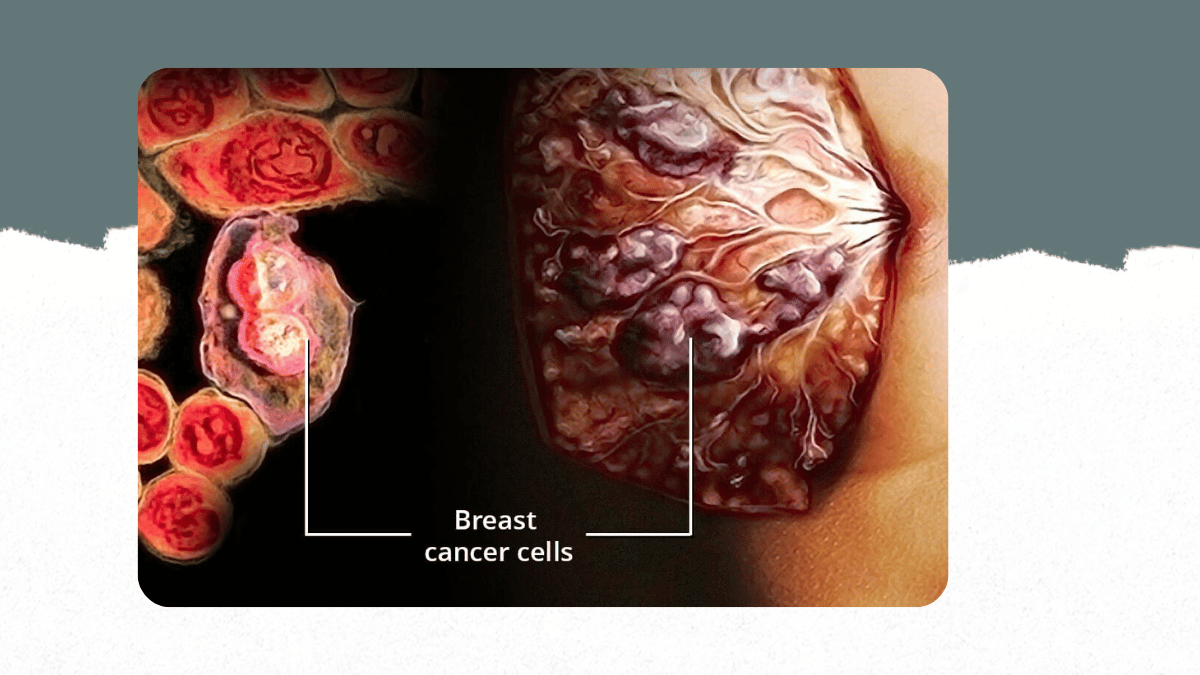
As a medical oncologist who regularly treats breast cancer, I have the profound privilege — and the heavy responsibility — of guiding patients through the most difficult conversations of their lives. In my clinic, no word carries more weight, fear, and sheer emotional gravity than the word metastatic.
For decades, the medical community viewed breast cancer through a strict, unforgiving binary. If the cancer was localized to the breast and nearby lymph nodes (Stages I through III), our goal was curative. We used surgery, radiation, and temporary systemic therapies to eradicate the disease. But if the cancer had spread to distant organs like the bones, liver, or lungs — becoming metastatic, or Stage IV — the goalposts fundamentally shifted. The medical consensus was that the 'cancer was out of the bag.' The objective transitioned from cure to control. We aimed to extend life and manage symptoms, relying almost exclusively on whole-body medications like chemotherapy or hormone therapy to keep the widespread microscopic cells at bay.
But oncology in 2026 is not the oncology of the past. A quiet but monumental paradigm shift has radically altered how we view, treat, and in some cases, functionally cure Stage IV disease. We are realizing that metastatic breast cancer is not always a system-wide wildfire. Sometimes, it is just a few manageable embers.
We call this intermediate state oligometastatic breast cancer. And today, thanks to unprecedented leaps in both targeted systemic drugs and pinpoint radiation technologies, we are rewriting the rulebook for Stage IV breast cancer.
The Enigma: What Exactly is Oligometastatic Breast Cancer?
The prefix 'oligo-' comes from Greek, meaning 'few' or 'scant.' Oligometastatic breast cancer refers to a state where the cancer has spread beyond the breast, but only to a strictly limited number of distant sites. While definitions in clinical trials can vary slightly, in 2026, the oncological consensus generally defines it as having one to five metastatic spots in the body.
To understand why this is a completely different beast than widespread Stage IV cancer, consider the classic 'seed and soil' theory of cancer spread. For a long time, we assumed that if a breast cancer cell managed to escape into the bloodstream (the wind), it would inevitably plant thousands of seeds across the whole yard.
But biology is more nuanced than that. Some breast cancers are inherently sluggish. They may mutate just enough to escape the breast and travel to the liver or a single vertebra in the spine, but they lack the aggressive biological 'machinery' to survive in dozens of new environments. They only manage to set up a few isolated outposts.
We see this present in the clinic in two distinct ways:
De Novo Oligometastatic Disease: A patient is diagnosed with breast cancer for the very first time, and our initial scans find the primary breast tumour along with, for example, just two small spots in the ribs.
Metachronous (Recurrent) Oligometastatic Disease: A patient is treated for early-stage breast cancer and cured. Years, or even a decade later, a scan reveals one or two isolated spots of cancer in the lung.
For a long time, we assumed these patients had microscopic disease everywhere and treated them identically to someone with fifty liver tumours. But today, we know that if we aggressively attack those few isolated outposts, we can dramatically change the trajectory of the patient's life.
Why Breast Cancer is Different: The Rollercoaster of Data
You might wonder why you haven't heard about this curative approach to Stage IV breast cancer until recently. The truth is, the journey to prove this concept in breast cancer has been a rollercoaster.
In other cancers - like prostate or lung cancer - treating limited metastases aggressively with radiation has been standard practice for years. But breast cancer has always been unique. Because breast cancer cells are notoriously good at hiding microscopically in the bloodstream, many oncologists believed that 'oligometastatic breast cancer' was an illusion. They argued that if you see three spots on a scan, there are actually three hundred invisible spots waiting to grow.
This scepticism seemed justified in 2022 when a major clinical trial called NRG-BR002 reported its findings. The trial looked at whether adding aggressive local treatments (like surgery or high-dose radiation) to standard drug therapies improved survival for women with oligometastatic breast cancer. The initial results were disappointing: the aggressive local treatments did not appear to improve overall survival or progression-free survival. For a moment, the oncology world took a step back.
But we didn't give up. We realised we just needed better tools to select the right patients and better systemic drugs to clean up the microscopic 'soil.'
The 2026 Turning Point: The OLIGOMA Trial
Fast forward to the 2026 Congress of the European Society for Radiotherapy and Oncology (ESTRO). A highly anticipated study known as the OLIGOMA trial completely reinvigorated our approach to this disease.
In this trial, patients with 1 to 5 breast cancer metastases were given standard systemic medications. Half of them also received an aggressive, highly targeted form of radiation known as SBRT (Stereotactic Body Radiotherapy) directed at every single visible tumour.
The results were practice-changing. Patients who received SBRT lived significantly longer without their disease progressing. Specifically, the median progression-free survival (PFS) was roughly 36 months in the SBRT group, compared to just 20.6 months for those who only received medication. By simply zapping those few rogue spots, oncologists bought these patients nearly a year and a half of extra, progression-free life — without causing any major detriment to their daily quality of life.
The Modern 2026 Playbook: Systemic Power Meets Precision Ablation
So, if you are sitting in my clinic today with oligometastatic breast cancer, how do we treat you? We throw away the old binary rulebook. We use a coordinated, aggressive two-pronged attack: we deploy our most advanced systemic drugs to act as a 'chemical shield' against microscopic cells, and we use local therapy to obliterate the visible tumours.
Here is how the modern arsenal looks.
The Sniper Rifle: SABR / SBRT
When we talk about radiating metastases, we are not talking about the daily, low-dose radiation given over six weeks for early-stage breast cancer. We are talking about SABR (Stereotactic Ablative Body Radiotherapy), also known as SBRT.
SABR is a marvel of modern medical engineering. Using sub-millimetre 3D mapping and real-time tracking that adjusts for the patient's breathing, SABR delivers a massive, ablative (destroying) dose of radiation to a tumour in just 1 to 5 outpatient sessions. It is non-invasive, painless, and completely obliterates the targeted cancer cells while sparing the healthy tissue sitting just millimetres away. SABR allows us to essentially 'cut out' a liver or lung tumour without ever putting the patient under the surgeon's knife.
The Shield: CDK4/6 Inhibitors and ADCs
The radiation handles the visible tumours, but the systemic drugs ensure the cancer doesn't come back somewhere else. The vast majority of breast cancers are Hormone Receptor-positive (HR+). In the past, we treated these with standard anti-oestrogen pills. Today, the bedrock of our systemic therapy involves CDK4/6 inhibitors (drugs like palbociclib, ribociclib, or abemaciclib). These targeted oral therapies interrupt the very enzymes that tell breast cancer cells to divide. When paired with hormone therapy, they put the microscopic cancer cells to sleep for years, often decades.
And for those whose cancer does eventually wake up, 2026 has brought the widespread use of Antibody-Drug Conjugates (ADCs) like trastuzumab deruxtecan or sacituzumab govitecan. Think of ADCs as smart-bombs. They consist of an antibody that acts like a GPS, locking onto a specific protein on the surface of the breast cancer cell. Once attached, it releases a potent dose of chemotherapy directly inside the cancer cell, sparing the rest of the body from heavy toxicities.
A New Concept: Oligoprogression (Playing Whack-a-Mole)
One of the most exciting developments in 2026 is how we handle oligoprogression.
Imagine a patient who has been doing beautifully on a CDK4/6 inhibitor pill for three years. Suddenly, a scan shows that while 99% of her cancer is still completely controlled, one single spot in her spine has started to grow. In the old days, we would assume the CDK4/6 inhibitor had stopped working completely. We would throw the drug out, tell the patient her cancer was progressing, and switch her to a harsher intravenous chemotherapy.
Not anymore. Thanks to trials like the AVATAR study (which evaluated SABR for oligoprogressive ER+ breast cancer), we now recognise that this is just a single rogue clone that figured out a way around the drug. Instead of abandoning a highly effective, tolerable pill, we leave the patient on their CDK4/6 inhibitor and use SABR to obliterate the one rebel tumour in the spine. This strategy allows patients to squeeze years of extra mileage out of their targeted therapies, delaying the need for harsher treatments.
Don't Forget the Breast
In a fascinating twist, recent data from 2026 has shown that for women presenting with de novo oligometastatic disease, going back and surgically removing the original tumour in the breast — even though the cancer has already spread — can significantly improve overall survival. By removing the 'mothership,' we lower the overall tumour burden and stop the primary tumour from seeding new metastases.
Navigating the Grey Area: Who is a Candidate?
It is vital to manage expectations. Not every patient with Stage IV breast cancer is a candidate for this aggressive, ablative approach.
If a cancer is highly aggressive, spreading to 15 or 20 locations rapidly, chasing those spots with radiation is like playing an unwinnable game of whack-a-mole. It will not change the ultimate course of the disease and will only subject the patient to unnecessary side effects. In these widespread cases, modern systemic therapies (our CDK4/6 inhibitors and ADCs) remain the absolute best tool, and they are achieving deep remissions that were unimaginable a decade ago.
To determine if a patient truly has oligometastatic disease that will benefit from SABR, a multidisciplinary tumour board (including medical oncologists, radiation oncologists, and surgeons) looks at a few critical factors:
The Number: Are there 5 or fewer visible spots? The Pace (Disease-Free Interval): How fast did they appear? If a patient had early-stage cancer and a spot appears five years later, that slow pace suggests a less aggressive biology, making them a prime candidate for SABR. The Response: Does the cancer shrink or stabilise when we give systemic therapy? If the drugs prove they have control over the microscopic disease, it makes it incredibly safe and effective to go after the visible spots with radiation.
The 'C' Word: Can We Say Cured?
As oncologists, we are inherently cautious. We are trained by the ghosts of past failures to under-promise and over-deliver. For decades, the word 'cure' was strictly forbidden when discussing Stage IV breast cancer.
Are we ready to use it in 2026 for oligometastatic breast cancer? The answer is a cautious, highly nuanced yes — but it requires us to redefine what 'cure' means.
If by 'cure,' we mean a 100% guarantee that a rogue cancer cell will never, ever wake up again, we may still hesitate. But if we define a 'functional cure' as a scenario where a patient receives SABR and targeted drugs, the cancer goes away, they return to their normal life, they watch their children graduate, they retire, and they ultimately pass away decades later from old age rather than from breast cancer — then yes. We are achieving functional cures in a subset of Stage IV oligometastatic patients today.
Even for patients where the cancer eventually does wake back up, the oligometastatic approach buys something invaluable: Time. Cancer research is moving at breakneck speed. Buying a patient three extra years of progression-free survival by zapping a few spots is not just a temporary fix. In those three years, the FDA might approve a brand new ADC or a revolutionary immunotherapy specifically designed for their tumour type. In modern oncology, time is the bridge to the next breakthrough.
A Message of Hope
When you or a loved one is sitting in a sterile clinic room, and the doctor says the breast cancer has spread, the world stops spinning. The fear is visceral, blinding, and absolute.
But as an oncologist standing on the frontlines of this disease in 2026, I want you to know that the landscape has shifted beneath our feet. We are no longer throwing our hands up at the sight of Stage IV disease. We are sequencing the DNA of tumours. We are using next-generation molecular imaging to hunt down rogue cells. We are deploying targeted radiation with the precision of a sniper rifle, and we are utilising antibody-drug conjugates that deliver payloads directly into the heart of the cancer.
Oligometastatic breast cancer was once an enigma — a biological quirk we couldn't quite explain, prove, or safely treat. Today, it is an established, highly treatable condition. We are moving away from blindly treating the stage of the cancer, and moving toward treating the unique biology of your specific cancer. And in doing so, we are rewriting the narrative of Stage IV breast cancer, replacing the old inevitabilities with something medicine has always strived to provide: genuine, data-driven hope.
To book a consultation with Dr Swaroop Revannasiddaiah at NiSH Clinic, 48, 7th B Main Road, near Vinayaka Temple, 4th Block, Jayanagar, Bengaluru 560011, call +91 9731174360 or visit linqmd.com/doctor/swaroop-r
Written by Dr Swaroop Revannasiddaiah, MBBS (Bangalore Medical College, RGUHS), MD Radiotherapy and Clinical Oncology (Regional Cancer Centre, Shimla, Himachal Pradesh University), DM Medical Oncology (RGUHS, 2021), MRCP Medical Oncology (Royal College of Physicians, UK, 2017), ESMO Certified (2016), Thoracic Oncology Certification (University of Michigan, USA, 2017), Senior Consultant Medical Oncologist, NiSH Clinic, Jayanagar, Bengaluru.
Related reading
Curing Metastatic Cancer in the Modern Era: The Enigma Named Oligometastatic Cancer
Personalized Cancer Treatment: How Precision Oncology is Changing Cancer Care
Targeted Therapy and Immunotherapy in Cancer Treatment: Modern Advances in Oncology


Add a Comment