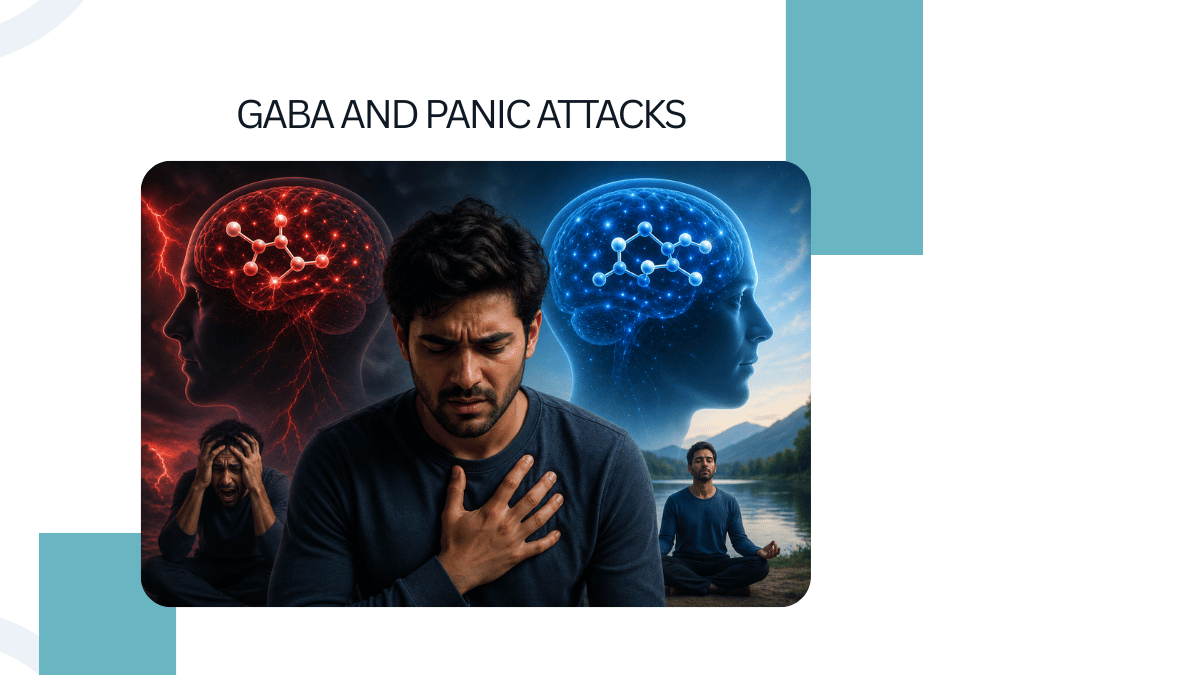
Panic attacks are sudden episodes of intense fear, often accompanied by racing heartbeats, shortness of breath and a sense of losing control. At the core of these overwhelming experiences lies a delicate balance between excitatory and inhibitory signals in the brain. One of the most important players in this balance is Gamma-Aminobutyric Acid (GABA) - the brain's primary calming neurotransmitter.
What is GABA?
GABA acts as the brain's 'brake pedal.' It slows down overactive nerve signals, preventing overstimulation that can trigger anxiety and panic. By binding to specific receptors (GABA-A and GABA-B), it reduces the likelihood of neurons firing excessively, creating a sense of calm and stability.
GABA and Panic Attacks
During a panic attack, the brain's fear circuits - especially the amygdala - become hyperactive. If GABA signalling is weak, these circuits are not properly inhibited, leading to runaway anxiety responses. Research shows that individuals prone to panic attacks often have lower GABA levels or impaired receptor function, making it harder for the brain to regulate stress.
Therapeutic Connections
- Lifestyle approaches: Practices such as yoga, meditation and breathing techniques naturally boost GABA levels, helping to prevent panic attacks over time
- Dietary support: Fermented foods and probiotics may increase gut-derived GABA, offering a non-pharmacological way to support calmness
- Medications: Benzodiazepine medications work by enhancing GABA activity, providing rapid relief during acute panic episodes
While GABA is central to calming the brain, oral supplements may not easily cross the blood-brain barrier. This means lifestyle and therapeutic strategies that indirectly enhance GABA activity often prove more effective than relying solely on medications.
Why It Matters
Understanding GABA's role in panic attacks highlights the importance of both biological and behavioural interventions. Strengthening GABA activity - whether through therapy, lifestyle changes or medications - can help individuals regain control over their anxiety and reduce the frequency of panic episodes.
In short, GABA is the brain's natural defence against panic attacks. When its calming influence falters, fear circuits can spiral out of control. Supporting GABA function offers a powerful pathway to restoring balance and easing the burden of panic attacks.
To book a counselling consultation with Ms. Sindhu Prasad at Chirayu Multispeciality Clinic, Kasturi Nagar, Bengaluru (Mon/Tue/Thu/Fri, 11 AM to 1 PM and 4 PM to 6 PM), call +91 9663358193 or visit linqmd.com/specialist/psychologist/sindhu-prasad
Written by Ms. Sindhu Prasad, MSc Psychology (Northumbria University, UK, approved by the British Psychological Society), Counselling Psychologist and Therapist, Chirayu Multispeciality Clinic, No 303, Nikith Arcade, 2nd Main Road, above Karnataka Bank, Kasturi Nagar, Bengaluru 560043. Phone: +91 9663358193.
Related reading
GABA vs. Serotonin: What is the Difference and Why It Matters for Anxiety
Can Exercise Increase GABA? The Science Behind Workouts and Anxiety Relief




Add a Comment