In my earlier guide on food allergy and anaphylaxis, I described anaphylaxis as a severe, life-threatening allergic reaction that requires urgent treatment and named adrenaline as the first-line emergency medicine. This cluster blog expands that section into a practical, step-by-step guide for every parent whose child has a known food allergy, bee sting allergy, or any other condition that places them at risk of anaphylaxis. The goal is simple: when anaphylaxis happens, there is no time to search for information. Every parent whose child is at risk of anaphylaxis needs to know what to do before it happens, not in the moment when they are frightened and their child is deteriorating in front of them.
[H2]
Recognising Anaphylaxis: The Warning Signs
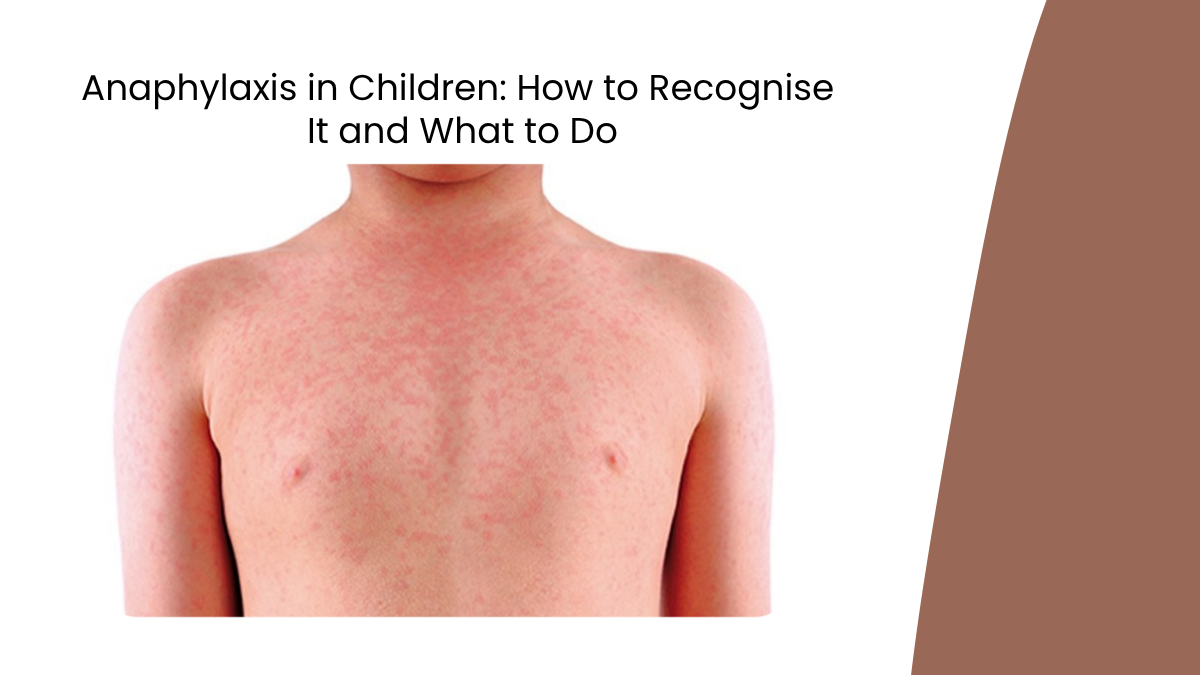
Anaphylaxis typically involves symptoms across more than one body system appearing together, rapidly, usually within minutes of exposure to the trigger. Skin signs: sudden urticaria (hives), flushing, or swelling, particularly of the lips, tongue, or face. Breathing signs: cough, wheeze, hoarseness, stridor, or difficulty breathing, which indicates the airway is involved and makes the situation urgent. Circulatory signs: pallor, limpness, loss of consciousness, or a sudden drop in blood pressure. Gastrointestinal signs: vomiting or severe abdominal cramping, though GI symptoms alone without other system involvement are usually not anaphylaxis. In an infant or young child who cannot describe symptoms, the warning signs may be behavioural: sudden unusual crying, becoming limp or floppy, losing interest in feeding, or appearing very unwell and pale without an obvious cause. When breathing difficulty, swelling of the tongue or face, or circulatory collapse follow allergen exposure, anaphylaxis must be assumed and adrenaline given immediately.
The First Five Minutes: What to Do
Step 1: Give adrenaline immediately. If your child has a prescribed adrenaline auto-injector (such as an EpiPen or similar device), use it without delay. Adrenaline is the only medicine that reverses the life-threatening elements of anaphylaxis. It works within minutes. Delaying to give antihistamines first, or waiting to see if symptoms improve, is the most dangerous thing a parent can do in anaphylaxis. The auto-injector is used in the outer mid-thigh, through clothing if necessary. Hold it in place for ten seconds.
Step 2: Call emergency services. In India, call 108 immediately after giving the adrenaline. Do not drive your child to hospital yourself unless no ambulance is available, as anaphylaxis can deteriorate suddenly and your child may need resuscitation during transport.
Step 3: Position the child correctly. If the child is conscious and breathing, lay them flat with their legs raised. If they are breathing and unconscious, place them in the recovery position. If they stop breathing, begin CPR. Do not sit or stand the child upright, as this can cause a sudden fatal drop in blood pressure.
Step 4: A second adrenaline dose may be needed. If there is no improvement within five to fifteen minutes and a second auto-injector is available, a second dose can be given. This is why I advise every family with a child at risk of anaphylaxis to carry two auto-injectors at all times.
Why Antihistamines Are Not Enough
Antihistamines block histamine, one of the chemicals released during an allergic reaction. They are effective for mild reactions such as localised hives or runny nose. In anaphylaxis, multiple mediators beyond histamine are involved, the airway can close rapidly, and blood pressure can fall within minutes. Antihistamines take too long to work and do not address the airway or circulatory components of anaphylaxis. Giving an antihistamine instead of adrenaline in anaphylaxis is one of the most dangerous mistakes a parent or bystander can make. Adrenaline acts within minutes and reverses all the critical elements of anaphylaxis simultaneously: it opens the airway, raises blood pressure, and reduces the mediator release that drives the reaction.
Preparing Before an Emergency: What Every Family Needs
If your child has a known severe food allergy or has had a previous anaphylactic reaction, three things must be in place before another exposure occurs. A prescribed adrenaline auto-injector, always with the child, always unexpired, always two of them. An anaphylaxis action plan, written by your doctor and shared with school, caregivers, sports coaches, and anyone who cares for your child. And practical training in how to recognise the signs and use the auto-injector, including the people around your child who may need to act when you are not there. If your child is at risk of anaphylaxis and does not have a written action plan, their next allergy consultation should address this. I provide anaphylaxis action plans for every patient under my care at Pratiksha Rainbow Children's Hospital, Guwahati.
To book a paediatric allergy consultation with Dr. Nayan Mani Deka at Pratiksha Rainbow Children's Hospital, VIP Road, Borbari, Guwahati, Assam 781036, call +91 9436732863 or +91 6000714825.
Written by Dr. Nayan Mani Deka, MBBS (Gauhati Medical College, 2003), MD Paediatrics (GMCH Gauhati, 2008), Diploma in Allergy and Asthma (CMC Vellore), Certified PALS, APLS, NSSK, Consultant Paediatrician, Asthma Allergy Specialist and Immunotherapist, Pratiksha Rainbow Children's Hospital, VIP Road, Borbari, Guwahati, Assam 781036. Phone: +91 9436732863 / +91 6000714825.
Related reading

Add a Comment