Why This Matters
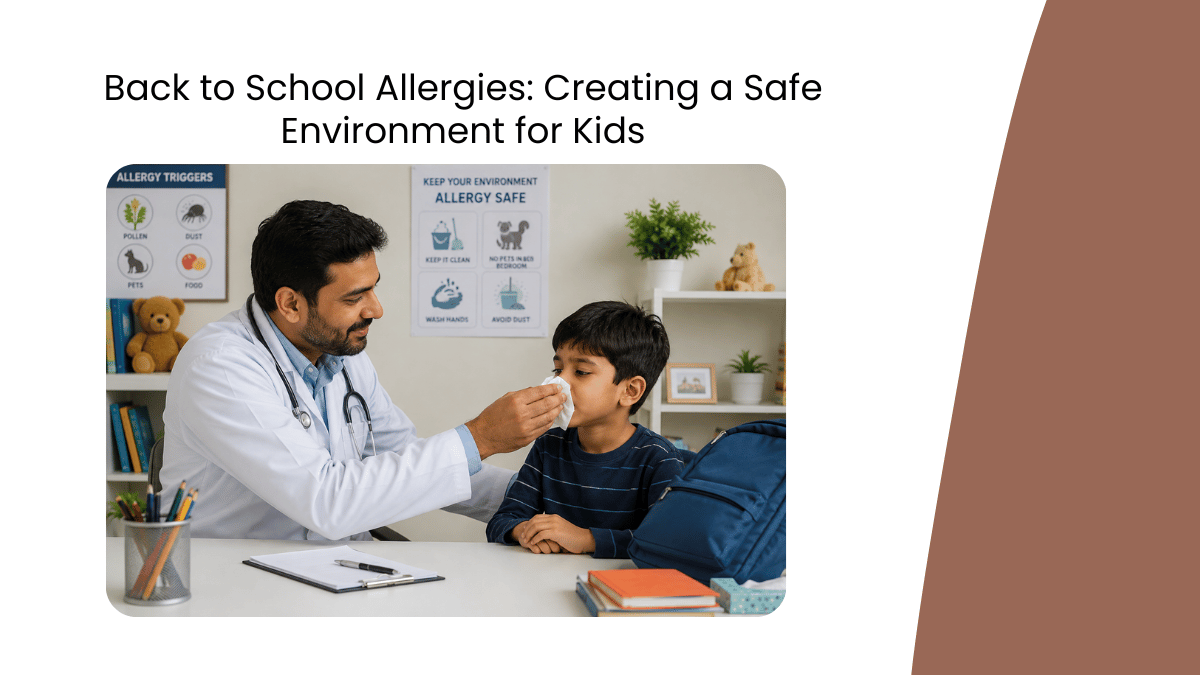
Going back to school is an exciting time for children - new books, new friends, and new experiences. But for children with allergies, it can also be stressful. Allergies are very common in children today. Something as simple as eating a snack, sitting near a chalkboard, or playing in a classroom with a pet can trigger symptoms like sneezing, cough, itching, or even serious reactions. The good news is that with a little preparation, schools and parents can work together to create a safe environment where children with allergies feel confident and protected.
Common School-Related Allergens
Children spend a large part of their day in school, and many things there can act as triggers.
1. Chalk Dust
Traditional chalk is still widely used in classrooms. For children with asthma or dust allergy, chalk dust can irritate the nose, throat, and lungs. It may cause coughing, sneezing, or breathing difficulty.
What can be done?
- Schools can use dust-free chalk or whiteboards.
- Classrooms should be well-ventilated.
- Children sensitive to dust should sit a little away from the chalkboard.
2. Food Allergens
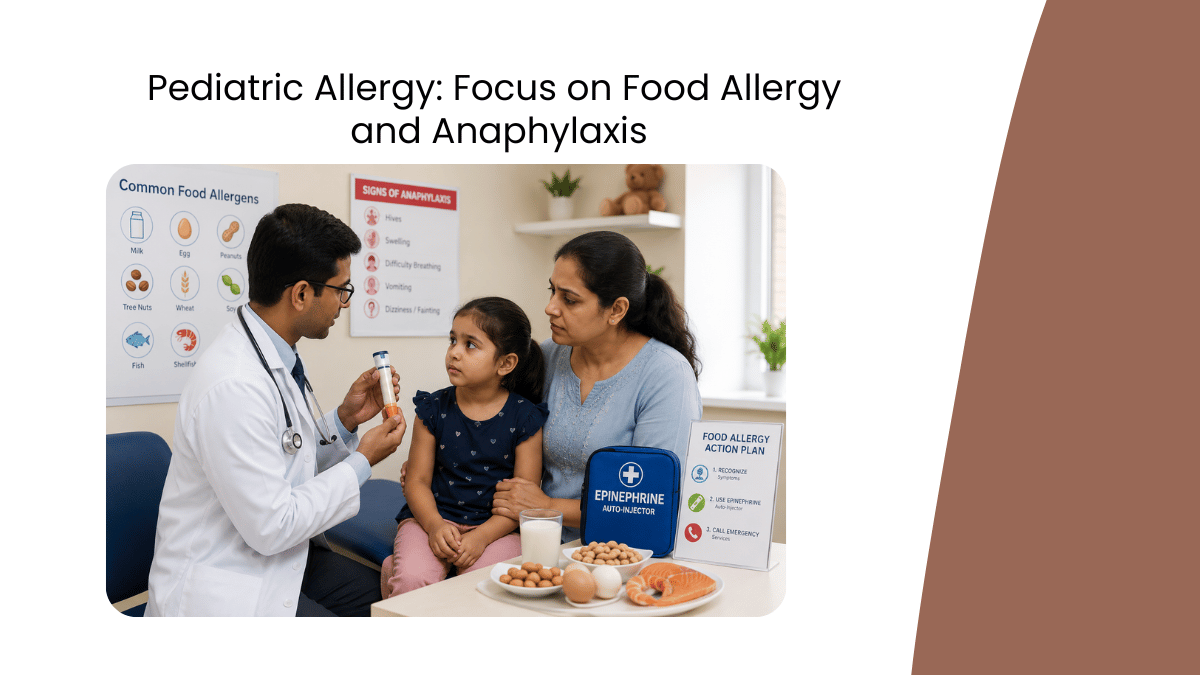
Food allergy is one of the biggest concerns in schools. Even a small bite or accidental contact with food can cause itching, hives, stomach upset, or sometimes a life-threatening reaction called anaphylaxis. Common food allergens are: peanuts, tree nuts, milk, egg, wheat, soy, fish, and shellfish.
What can be done?
- Children should avoid sharing lunch boxes.
- Teachers should be informed about a child's food allergy.
- For birthday parties and school events, parents can suggest safe snacks or non-food celebrations.
- Cafeteria staff should be aware of food allergy safety and avoid cross-contamination.
3. Pet Dander
Some schools keep pets such as rabbits, guinea pigs, or birds in the classroom. While these animals bring joy, their fur, feathers, or droppings can trigger allergies and asthma in sensitive children. Even classmates who own pets at home may unknowingly carry pet dander on their clothes.
What can be done?
- Avoid keeping furry or feathered pets in classrooms.
- If pets are used for teaching, ensure children with allergies are not forced to interact with them.
- Classrooms should be cleaned regularly to reduce dander.
4. Environmental Allergens
Dust mites in carpets, mold in damp classrooms, pollen from open windows, and strong odors from cleaning agents can all act as triggers.
What can be done?
- Keep classrooms clean, dry, and well-ventilated.
- Avoid carpets, heavy curtains, and stuffed toys that trap dust.
- Use mild, fragrance-free cleaning products.
How Schools Can Help: Classroom Accommodations
Children with allergies should feel safe and included in school life. Some simple steps make a big difference:
- Individual Health Plan - Every child with allergies should have a written plan made by parents and doctors. It should mention the child's allergens, warning signs, and what to do in case of a reaction.
- Seating Arrangements - Children with chalk dust or pollen allergy can sit away from boards or open windows. Those with food allergies may have a safe eating area.
- Safe Celebrations - Teachers can plan allergy-friendly celebrations. Instead of food, children can bring stickers, pencils, or small gifts to share.
- Awareness in the Classroom - When classmates understand why a child avoids certain foods or needs medication, they are more supportive. This also reduces teasing or bullying.
- Clean Environment - Schools should keep classrooms dust-free, mold-free, and well-ventilated.
Emergency Preparedness: Being Ready to Act
Even with precautions, accidents can happen. That is why emergency preparedness is so important.
1. Action Plan for Emergencies
Every child with a severe allergy should have a written Allergy Emergency Plan. This plan explains: what symptoms to look out for (rash, swelling, breathing difficulty, fainting); when and how to give emergency medicine; and whom to contact immediately. Copies of this plan should be with the class teacher, school nurse, and even the sports coach.
2. Epinephrine Auto-Injectors
For children at risk of severe allergic reaction, epinephrine auto-injectors (commonly called 'EpiPens') are life-saving.
- The child should always carry one in their bag.
- Schools should also keep stock auto-injectors in accessible places like the nurse's room or cafeteria.
- Teachers and staff must be trained to use them quickly.
3. Training for School Staff
All teachers, bus drivers, and canteen workers should know:
- How to recognize early signs of allergy.
- How to use an epinephrine auto-injector.
- When to call emergency services.
4. Practice Drills
Just like fire drills, schools can organize practice sessions for allergy emergencies. This reduces panic and ensures everyone knows their role.
5. After-Care and Communication
After an allergy emergency, children need medical observation as symptoms can return. Parents should be informed immediately, and the incident should be recorded so that future precautions can be improved.
The Role of Parents, Teachers, and Healthcare Providers
Managing allergies in school is a team effort.
- Parents should keep the school informed about their child's allergies, send safe snacks, and train their child to recognize early symptoms.
- Teachers should create an inclusive classroom, avoid allergen exposure, and respond calmly in emergencies.
- Healthcare providers should support schools with medical advice, emergency action plans, and staff training.
Building a Culture of Safety and Inclusion
Allergies can sometimes make children feel 'different.' A supportive environment helps them feel safe, included, and confident. Simple classroom lessons on kindness, empathy, and not sharing food can make a huge difference. When schools, parents, and children work together, allergies do not have to be a barrier to learning or fun.
Key Takeaways for Parents and Schools
Key Takeaways:
- Identify and avoid common school allergens (chalk dust, food allergens, pet dander, mold, dust).
- Create a written health and emergency plan for each allergic child.
- Ensure teachers, staff, and even classmates are allergy-aware.
- Keep epinephrine auto-injectors available and train staff in their use.
- Promote inclusion so that children with allergies feel safe and supported.
Conclusion
Back-to-school time should be full of excitement, not anxiety. By taking simple, practical steps, schools can become safe and welcoming spaces for children with allergies. Awareness, preparation, and teamwork are the keys. Every child deserves to learn, play, and grow without the constant fear of an allergic reaction.
To book a consultation with Dr. Nayan Mani Deka at Pratiksha Rainbow Children's Hospital, VIP Road, Borbari, Guwahati, Assam 781036, call +91 9436732863 / +91 6000714825.
Written by Dr. Nayan Mani Deka, MBBS (Gauhati Medical College, 2003), MD Paediatrics (GMCH Gauhati, 2008), Diploma in Allergy and Asthma (CMC Vellore), Certified PALS, APLS, NSSK, Consultant Paediatrician, Asthma Allergy Specialist and Immunotherapist, Pratiksha Rainbow Children's Hospital, VIP Road, Borbari, Guwahati, Assam 781036. Phone: +91 9436732863 / +91 6000714825.

Add a Comment