
Dr. Usha Shree

Dr. Usha Shree

Visionary Expert in Retinal Health: Transforming Lives One Eye at a Time.

MBBS, DNB Ophthalmology, FICO, FVRS, specialized in advanced ocular procedures.

12 years of Experiences

10000+ patients

LinQ Card

About Dr. Usha Shree

Dr. Usha Shree is a renowned ophthalmologist licensed by the Karnataka Medical Council, specializing in Vitreo-Retina services. Her impressive credentials include an MBBS from RGUHS, a DNB in Ophthalmology from NBE, and advanced certifications like FICO and FVRS. With over 6,000 patients treated, Dr. Usha Shree is adept at managing diabetic retinopathy and age-related macular degeneration, employing cutting-edge diagnostic and therapeutic techniques to enhance vision. Her dedication extends beyond her practice to community health initiatives. Known for her meticulous attention to detail and empathetic care, she is highly respected by peers and patients alike.


https://d2vvc091k8tmib.cloudfront.net/s3fs-public/2026-05/Dr.%20Usha%20Shree.jpeg

Dr. Usha Shree is a distinguished ophthalmologist, renowned for her extensive expertise and commitment to eye care. She embarked on her medical journey with an MBBS from RGUHS in 2007, laying a strong foundation in the field of medicine. Her pursuit of excellence continued with a DNB in Ophthalmology from NBE in 2012, further honing her skills. She advanced her specialization by obtaining a FICO from ICO in 2015 and completed an FVRS at RGUHS in 2016. Dr. Shree's impressive academic credentials reflect her dedication to staying at the forefront of ophthalmic advancements, ensuring exceptional care for her patients.


https://d2vvc091k8tmib.cloudfront.net/s3fs-public/2026-05/Dr.%20Usha%20Shree_0.jpg

Dr. Usha Shree's Areas of expertise

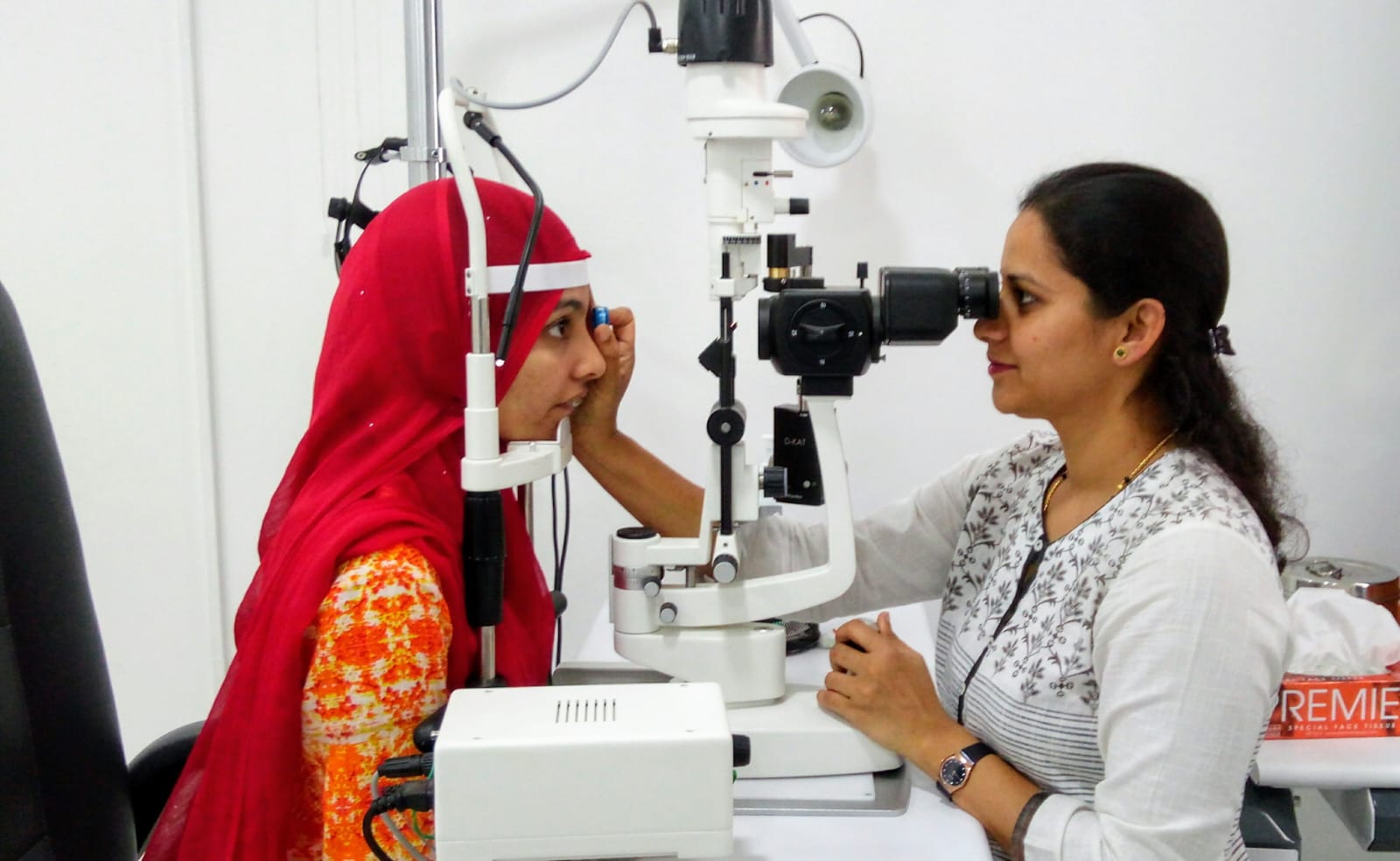
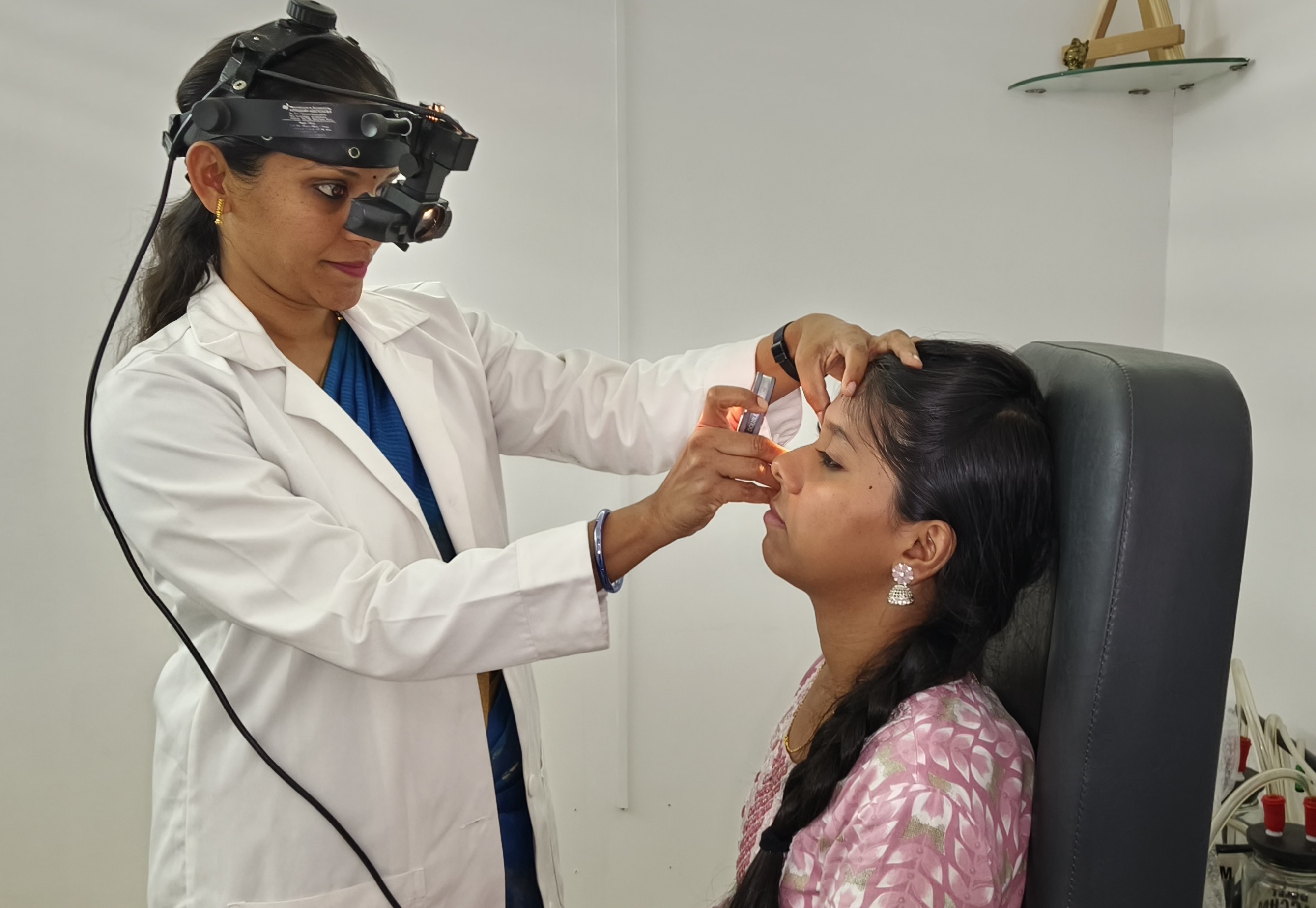
Dr. Usha Shree is a highly skilled specialist in Vitreo-Retina, focusing on retinal disorders such as diabetic retinopathy and macular degenerations. With an impressive academic background, holding degrees like MBBS, DNB in Ophthalmology, FICO, and FVRS, she completed her education at renowned institutions such as RGUHS, NBE, and ICO. Her expertise is honed through a fellowship in Vitreo-Retina services, where she has successfully treated 6,000 patients and performed 5,000 diagnostic and therapeutic procedures. Dr. Shree is particularly adept at managing diabetic-induced eye issues and age-related eye disorders, having operated on 400 patients to improve their vision.

Dr. Usha Shree is a distinguished ophthalmologist, renowned for her extensive expertise and commitment to eye care. She embarked on her medical journey with an MBBS from RGUHS in 2007, laying a strong foundation in the field of medicine. Her pursuit of excellence continued with a DNB in Ophthalmology from NBE in 2012, further honing her skills. She advanced her specialization by obtaining a FICO from ICO in 2015 and completed an FVRS at RGUHS in 2016. Dr. Usha Shree's impressive academic credentials reflect her dedication to staying at the forefront of ophthalmic advancements, ensuring exceptional care for her patients.

Conditions and Treatments

Diabetic Retinopathy

Diabetic retinopathy is a complication of diabetes that affects the eyes, specifically the retina. High blood sugar levels can lead to damage in the blood vessels of the retina, resulting in their swelling, leaking, or abnormal growth. This can cause vision problems and even blindness if left untreated. People with diabetes are at a higher risk of developing this condition, and its progression is often linked to the duration of diabetes and poor blood sugar control. Symptoms may include blurred vision, floaters, and impaired color vision, necessitating regular eye examinations for early detection and management.

Macular Degenerations

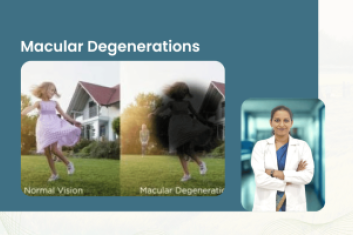
Macular degeneration is an age-related eye disorder that primarily affects the macula, the central part of the retina responsible for sharp vision. As people age, the macula may degenerate, leading to a gradual loss of central vision. This condition is classified into two main types: dry and wet macular degeneration. Dry macular degeneration is more common and progresses slowly, while the wet form involves abnormal blood vessel growth and can lead to rapid vision loss. Risk factors include age, genetics, smoking, and poor diet. Early detection and lifestyle changes can help manage the condition and preserve vision.

Retinal Vascular Disorders

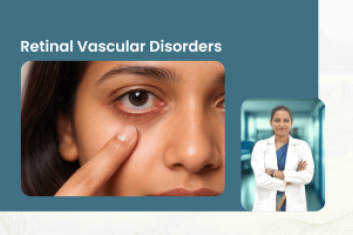
Retinal vascular disorders affect the blood vessels supplying the retina, leading to complications such as retinal vein occlusion, retinal artery occlusion, and diabetic retinopathy. These conditions can result in vision loss due to inadequate blood supply or fluid leakage. Common risk factors include diabetes, hypertension, and cardiovascular diseases. Early detection through routine eye examinations and management of underlying conditions can help prevent severe vision impairment

Maculopathies
Maculopathies

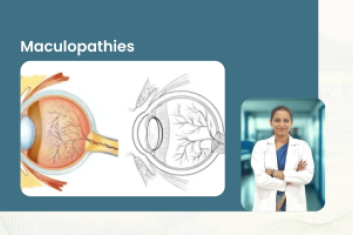
Maculopathies refer to diseases affecting the macula, the central part of the retina responsible for detailed vision. Age-related macular degeneration (AMD) is the most common form, characterized by progressive central vision loss. Other types include diabetic maculopathy and inherited macular diseases. Symptoms often include blurred or distorted vision, difficulty reading, and color perception changes. Lifestyle modifications, such as a nutrient-rich diet, smoking cessation, and timely medical interventions, can help manage the condition.

Myopic Retinal Degenerations

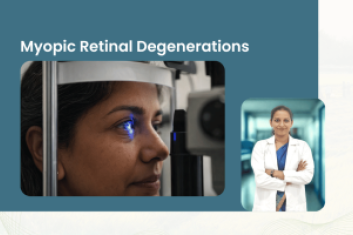
Severe myopia (nearsightedness) can lead to progressive retinal degeneration, increasing the risk of tears, holes, or detachments. Symptoms include reduced night vision, peripheral vision loss, and difficulty focusing. Preventive measures include regular eye check-ups, protective eyewear, and lifestyle modifications. In cases of significant retinal damage, laser therapy or surgery may be required to preserve vision.

Diabetic Macular Oedema (DME): Diagnosis and Treatment

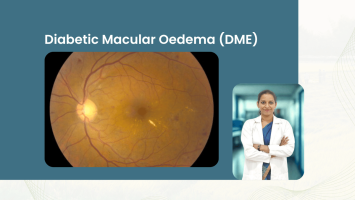
Diabetic macular oedema is the accumulation of fluid in the macula, the central region of the retina responsible for reading, recognising faces, and all detailed visual tasks, and it is the most common cause of vision loss in people with diabetes. It can develop at any stage of diabetic retinopathy, often as the first visual symptom the patient notices. Optical coherence tomography is the gold-standard investigation for identifying the location, extent, and type of fluid accumulation with micrometre-level resolution. Dr. Usha Shree, FVRS Vitreo-Retina Specialist at Kasturi Nagar, Bengaluru, treats diabetic macular oedema with anti-VEGF injections as the first-line therapy for centre-involving oedema, combined where indicated with focal laser photocoagulation, using OCT-guided monitoring to assess treatment response and guide the inject-and-extend schedule that delivers the best long-term visual outcomes.

Proliferative Diabetic Retinopathy (PDR): Laser and Vitrectomy

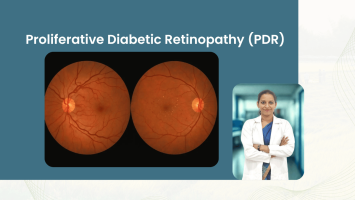
Proliferative diabetic retinopathy is the advanced stage of diabetic eye disease in which fragile new blood vessels grow on the surface of the retina and into the vitreous in response to retinal ischaemia. These vessels bleed easily, causing vitreous haemorrhage with sudden floaters or loss of vision, and the fibrovascular membranes attached to them can contract and produce traction retinal detachment. Panretinal photocoagulation destroys the peripheral ischaemic retina that drives neovascularisation; anti-VEGF injections accelerate regression of new vessels; and vitrectomy surgery removes vitreous haemorrhage and fibrovascular membranes when they cannot be managed conservatively. Dr. Usha Shree, FVRS Vitreo-Retina Specialist at Kasturi Nagar, Bengaluru, with more than 400 vitrectomy cases, manages proliferative diabetic retinopathy across all stages of severity, with early specialist referral being the most critical determinant of visual outcome before traction detachment involves the macula.

Dr. Usha Shree's Expert Tips & Health Insights

Latest

Articles by Dr. Usha Shree

https://d2vvc091k8tmib.cloudfront.net/s3fs-public/2026-08/Diabetic%20Retinopathy%20A%20Complete%20Guide%20to%20Protecting%20Your%20Vision.png
https://d2vvc091k8tmib.cloudfront.net/s3fs-public/2026-05/Dr.%20Usha%20Shree.jpg
By: Dr. Usha Shree
21 August 2026

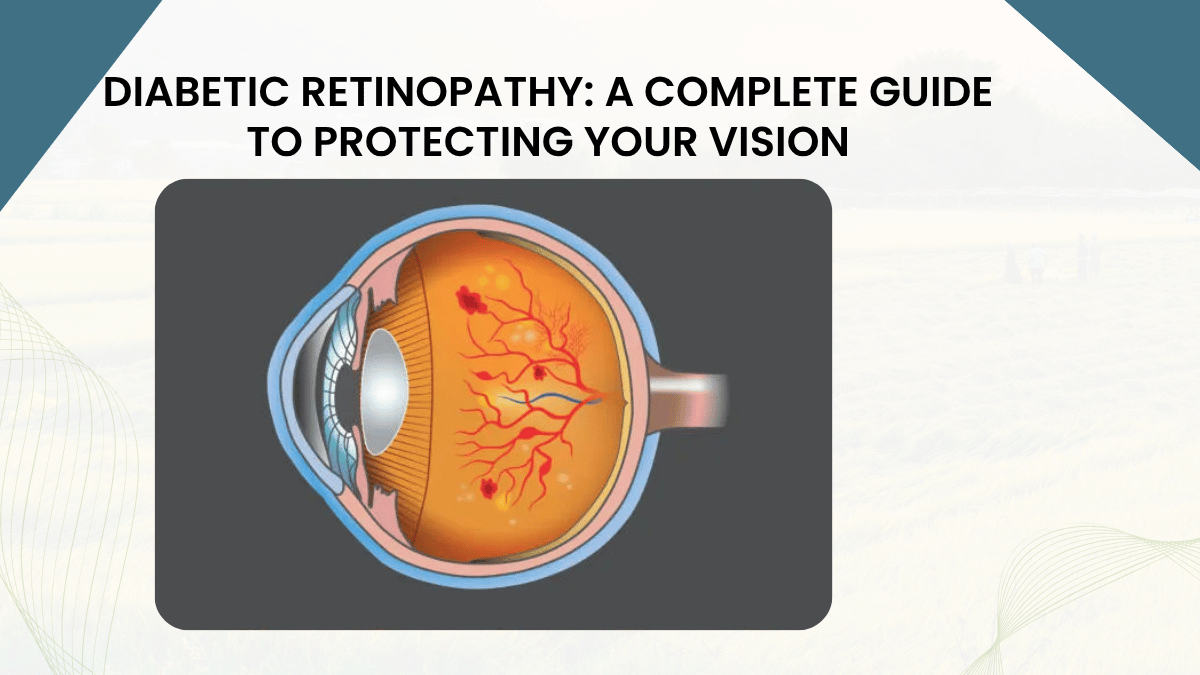
Diabetic Retinopathy: A Complete Guide to Protecting Your Vision

A complete guide to diabetic retinopathy by a FVRS Vitreo-Retina Specialist - how diabetes damages the retina, four stages, symptoms, diagnosis with OCT and FFA, laser, anti-VEGF and vitrectomy treatments, prevention, and when to seek specialist care in Bengaluru.
Read More
https://d2vvc091k8tmib.cloudfront.net/s3fs-public/2026-05/Stages%20of%20Diabetic%20Retinopathy.webp
https://d2vvc091k8tmib.cloudfront.net/s3fs-public/2026-05/Dr.%20Usha%20Shree.jpg
By: Dr. Usha Shree
11 May 2026

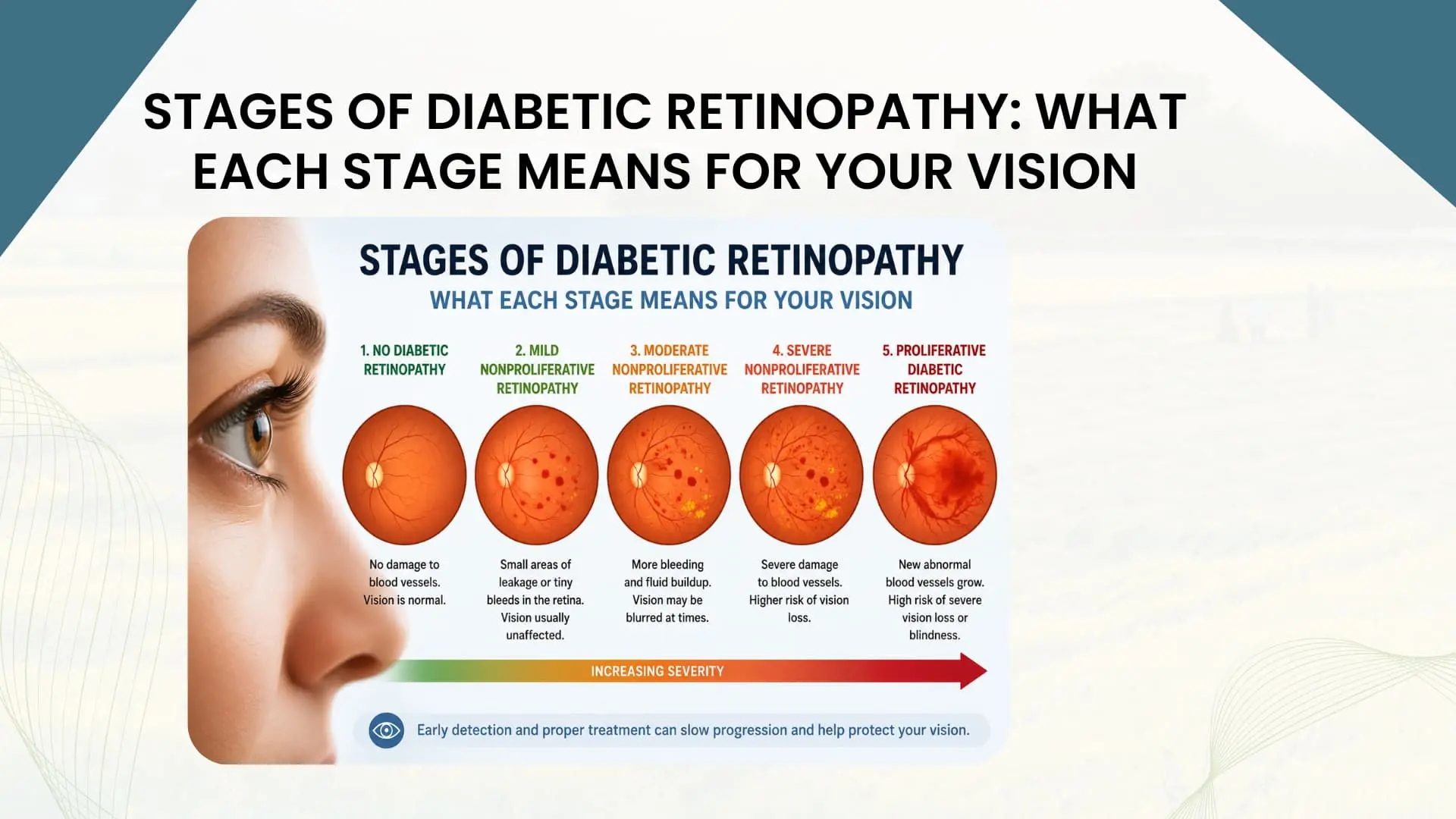
Stages of Diabetic Retinopathy: What Each Stage Means for Your Vision

Learn the 4 stages of diabetic retinopathy, from mild NPDR to proliferative PDR, and how each stage affects your vision. Expert retinal care in Kasturi Nagar, Bengaluru.
Read More
https://d2vvc091k8tmib.cloudfront.net/s3fs-public/2026-05/Blurry%20vision.png
https://d2vvc091k8tmib.cloudfront.net/s3fs-public/2026-05/Dr.%20Usha%20Shree.jpg
By: Dr. Usha Shree
10 March 2025

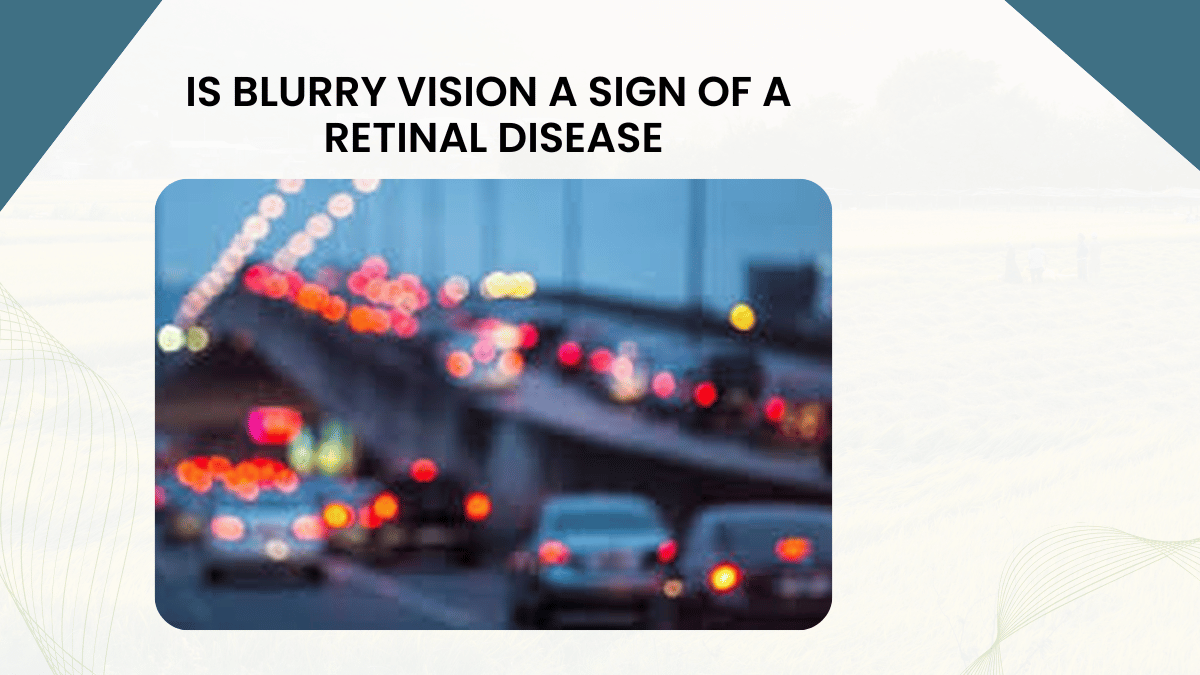
Is Blurry Vision a Sign of a Retinal Disease

Blurry vision is one of the most common eye complaints, and while it can sometimes be a result of minor refractive errors like nearsightedness or dryness, it can also indicate a serious retinal disease.
Read More
https://d2vvc091k8tmib.cloudfront.net/s3fs-public/2026-05/Retina%20Health.png
https://d2vvc091k8tmib.cloudfront.net/s3fs-public/2026-05/Dr.%20Usha%20Shree.jpg
By: Dr. Usha Shree
10 March 2025

How to Keep Your Retina Healthy

Your retina plays a crucial role in vision, capturing light and sending signals to the brain to help you see clearly. As a Vitreo-Retina Specialist, I have seen firsthand how lifestyle choices and preventive care can protect retinal health and prevent vision loss. Whether you have an existing eye condition or simply want to maintain optimal vision, here are some expert-approved tips to keep your retina healthy.
Read More
https://d2vvc091k8tmib.cloudfront.net/s3fs-public/2026-05/Diabetic%20Retinopathy_1.png
https://d2vvc091k8tmib.cloudfront.net/s3fs-public/2026-05/Dr.%20Usha%20Shree.jpg
By: Dr. Usha Shree
10 March 2025

Diabetic Retinopathy: Early Symptoms, Risk Factors, and Treatment Options

As a Vitreo-Retina specialist, I have encountered numerous cases of Diabetic Retinopathy (DR)—a serious complication of diabetes that affects the retina and can lead to vision loss if left untreated. With diabetes on the rise in India, awareness about this condition is crucial. In this blog, I will walk you through the early symptoms, risk factors, and latest treatment options to help you protect your vision.
Read More

Podcasts by Dr. Usha Shree

Dr. Usha Shree's Patient Testimonial Reviews

Leave a Review

Patient Reviews

Dr. Usha Shree

Leave a Review

Frequently Asked Questions

Frequently Asked Questions

View all

Which diabetic retinopathy symptoms need same-day specialist review?

Several visual symptoms in a person with diabetes should prompt same-day or next-day retinal specialist review rather than a routine appointment. Sudden onset of floaters, which are new spots, threads, or a shower of dark dots appearing in the vision, may represent a vitreous haemorrhage from a bleeding new vessel and need prompt assessment. A dark shadow, curtain, or veil that covers part of the visual field may indicate a retinal haemorrhage or, more urgently, a retinal detachment. Sudden blurring of central vision that was not present the day before may indicate acute macular oedema. Distortion of straight lines, where lines appear wavy or bent, suggests macular involvement that requires prompt treatment. Any of these symptoms in a person with known diabetic retinopathy, or in a person with longstanding or poorly controlled diabetes who has not had a recent retinal examination, should be assessed as urgent. In contrast, a person with diabetes who has no visual symptoms but has not had a retinal examination in the past twelve months should be seen for a routine annual review, not an emergency. At Kasturi Nagar, Bengaluru, I prioritise urgent review for any sudden visual change in a diabetic patient because the window for effective intervention in vitreous haemorrhage and traction retinal detachment narrows quickly once the process has begun.

Written by Dr. Usha Shree, MBBS (Rajiv Gandhi University of Health Sciences, 2007), DNB Ophthalmology (National Board of Examinations, 2012), FICO (International Council of Ophthalmology, 2015), FVRS (Rajiv Gandhi University of Health Sciences, 2016), Vitreo-Retina Specialist, Kasturi Nagar, Bengaluru. 12 years. 10,000+ patients. Phone: +91 96633 58193.

Related reading
Diabetic Retinopathy: A Complete Guide to Protecting Your Vision

What is the difference between FFA and OCT-A and when is each used for diabetic retinopathy?

When is vitrectomy surgery needed for diabetic retinopathy and what does it involve?

Link copied to clipboard!

Reach Dr. Usha Shree

Aradhana Netra Mandira

#67, 9th Main, Next to Dr. Shah's Diagnostic Centre, HMT Main Road, Mathikere, Bengaluru-560054