















Dr. Sudharani Bairraju

Dr. Sudharani Bairraju

Senior Consultant Obstetrician and Gynaecologist, Infertility (IVF) Specialist and Laparoscopic surgeon

MBBS, DNB (Obstetrics & Gynecology), Trained in Advanced Infertility and Andrology,Fellowship in Minimally Invasive Surgeries (FMIS), Fellowship in Advanced Gynec Endoscopy

28+ Years of Experience

45000 patients

LinQ Card

About Dr. Sudharani Bairraju

Dr. Sudharani Bairraju is a highly accomplished Senior Fertility Consultant at Birthright Fertility by Rainbow Hospitals, Banjara Hills, Hyderabad, with over 28 years of experience in Obstetrics and Gynecology, including 22 years of dedicated work in infertility, endoscopy, and high-risk obstetrics. She is extensively trained in reproductive medicine, advanced gynecological endoscopy, and clinical embryology. Dr. Sudharani has independently handled more than 500 IVF procedures with commendable success rates and excels in managing complex fertility cases and obstetric emergencies. Known for her compassionate care and clinical precision, she is committed to helping couples achieve parenthood with evidence-based, ethical treatment.


https://d2vvc091k8tmib.cloudfront.net/s3fs-public/2025-05/WKtZV44ddbZ46PlrOyrkS6A10X01dPDSmLmlMv7p.png

Dr. Sudharani Bairraju’s core specialization lies in the field of reproductive medicine, minimally invasive gynecological surgery, and high-risk obstetrics. She combines years of hands-on clinical expertise with advanced training in endoscopy, embryology, and fertility care to offer individualized, evidence-based treatments. Her approach is rooted in precision, empathy, and ethical medical practice, ensuring that each patient receives the most appropriate and effective care. With a deep understanding of reproductive health and female physiology, Dr. Sudharani is skilled at managing complex fertility challenges and surgical procedures while maintaining a strong commitment to safety, patient education, and positive treatment outcomes.


Dr. Sudharani Bairraju's Areas of expertise

Dr. Sudharani Bairraju is highly skilled in diagnosing and treating a wide spectrum of reproductive and gynecological conditions, including infertility, ovulatory disorders, endometriosis, uterine abnormalities, hormonal imbalances, and recurrent pregnancy loss. She is also experienced in managing complex high-risk pregnancies and gynecological emergencies. Her treatment approach is tailored to each patient’s needs, incorporating advanced modalities such as ovulation induction, intrauterine insemination (IUI), in-vitro fertilization (IVF), embryo transfer, hysteroscopy, and laparoscopic surgeries. With strong expertise in ultrasound-guided procedures and optimized ovarian stimulation, Dr. Sudharani ensures safe, effective, and evidence-based care to help patients achieve successful reproductive outcomes.

RESEARCH AND PUBLICATIONS:
  • Performed a study on the evaluation of abnormal uterine bleeding by hysteroscopy in peri and postmenopausal women, accepted by the National Board of Examination, New Delhi; presented a paper on the same topic at South zone conference, Hyderabad.
  • Skillfully delivered numerous seminars and attended various CME’s (State and National).
Awarded FOGSI-Dr.C.S. Dawn Prize for best paper presentation at AICOG 2011:
  • Served as coordinator for research committee at Sree Balaji Medical College & Hospital for OB&G department. Had been a thesis guide to the students.
  • Published articles on “Evaluation of Abnormal Uterine Bleeding in Perimenopausal and Postmenopausal Women Using Hysteroscopy” and “Review of Cases of Cesarean Hysterectomy in Five Years” in Journal of Applied Medicine & Surgery Volume 2 Issue 1, Oct-Dec 2012

MBBS from Institute Sri Venkateswara Medical College, Tirupathi. Andhra Pradesh, 1997

DNB in Obstetrics and Gynecology from St. Theresa’s general hospital, Sanathnagar, Hyderabad; 2007

TRAININGS AND COURSES:
  • Pursuing Certification Course in Colposcopy under ISCCP (Indian Society of Colposcopy and Cervical Pathology), 2023
  • Postgraduate Certification in Clinical Embryology, 2015
  • Training in Advanced Infertility and Andrology, 2014
  • Fellowship Course in Minimally Invasive Surgeries, 2013
  • Fellowship Course in Advanced Gynecological Endoscopy, 2012
  • Basic Obstetrics and Gynecology Ultrasonogram Course, 2008
  • Diagnostic Hysteroscopy & Colposcopy, 2006

Conditions and Treatments

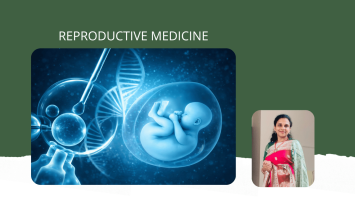
Reproductive Medicine

Dr. Sudharani Bairraju brings over two decades of expertise in reproductive medicine, offering evidence-based fertility solutions tailored to each patient's needs. Her approach combines thorough evaluations with advanced treatments to address both male and female infertility. She supports couples throughout their journey with empathy and precision. Her success lies in individualized protocols that optimize conception outcomes.

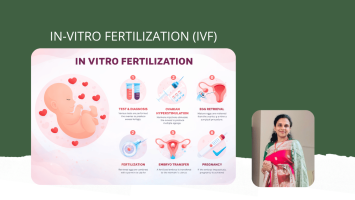
In-Vitro Fertilization (IVF)

Having performed over 500 IVF procedures with a commendable success rate, Dr. Sudharani personalizes each IVF cycle based on patient history and ovarian reserve. From stimulation to embryo transfer, every step is meticulously planned. Her expertise ensures higher take-home baby rates and compassionate support throughout the IVF journey.

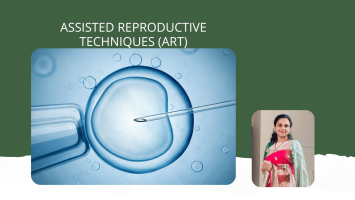
Assisted Reproductive Techniques (ART)

Dr. Sudharani is adept in all facets of ART, including ICSI, donor programs, and cryopreservation. Her extensive training allows her to integrate the latest techniques with a strong clinical understanding, helping couples with even the most challenging fertility issues achieve positive outcomes.

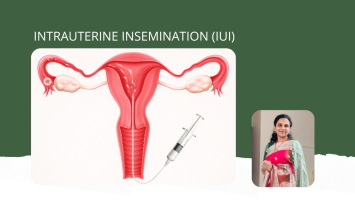
Intrauterine Insemination (IUI)

Dr. Sudharani uses IUI as a first-line treatment for selected infertility cases. She ensures thorough pre-cycle workup, optimal timing, and precise semen processing to maximize pregnancy chances. Her keen focus on patient selection and cycle monitoring improves success rates significantly.

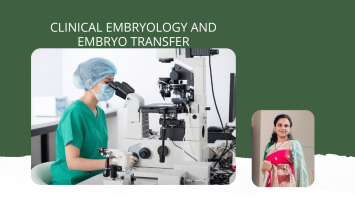
Clinical Embryology and Embryo Transfer

With a postgraduate certification in clinical embryology, Dr. Sudharani oversees each stage of embryo development. She ensures that only the best-quality embryos are transferred or preserved. Her deep understanding of embryology allows her to guide patients through each decision with confidence.

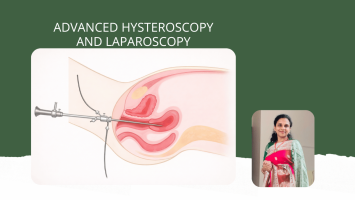
Advanced Hysteroscopy and Laparoscopy

As a fellow in advanced gynecological endoscopy, Dr. Sudharani routinely performs minimally invasive procedures for fibroids, endometriosis, and uterine anomalies. These techniques reduce recovery time, minimize scarring, and improve surgical outcomes, allowing patients a quicker return to daily life.

Management of Menstrual and Hormonal Disorders

Dr. Sudharani offers holistic care for menstrual irregularities, PCOS, and hormonal imbalances. Through a blend of diagnostic accuracy, medical management, and lifestyle counseling, she helps women regain hormonal balance and reproductive health. She ensures long-term relief by addressing root causes, not just symptoms.

High-Risk Pregnancy Management

With years of experience in handling complex pregnancies, Dr. Sudharani ensures safe maternal and fetal outcomes through continuous monitoring and proactive care. She expertly manages conditions like gestational diabetes, hypertension, and multiple pregnancies. Her calm, skilled approach reassures patients during the most delicate phases of their journey to motherhood.

Obstetric and Gynecological Emergencies

Dr. Sudharani handled critical cases such as ectopic pregnancies, uterine ruptures, and obstructed labor. Her swift decision-making and surgical expertise ensure timely interventions that are often lifesaving. She provides round-the-clock care in emergencies, ensuring patient safety and minimizing complications.

 Colposcopy and Cervical Screening
Colposcopy and Cervical Screening

Trained under ISCCP, Dr. Sudharani offers advanced colposcopic evaluations and cervical screening for early detection of abnormalities. Her preventive approach helps in timely diagnosis and treatment of cervical dysplasia, reducing cancer risk. She educates women about HPV vaccination and regular screenings as essential aspects of preventive gynecology.

Female Infertility - Evaluation and Management

Female infertility is diagnosed when a woman has not conceived after an appropriate period of regular unprotected intercourse. The causes span a wide spectrum — ovulatory disorders, ovarian reserve decline, tubal blockage, uterine abnormalities, endometriosis, and hormonal imbalances, among others. Dr Sudharani Bairraju provides comprehensive female infertility evaluation at Birthright Fertility by Rainbow Hospitals, Banjara Hills, Hyderabad, beginning with detailed history-taking covering menstrual pattern, lifestyle factors, previous pregnancies, and medical history. Investigation includes pelvic ultrasound with antral follicle count, hormonal profiling (FSH, LH, AMH, TSH, prolactin), and hysterosalpingogram or sonosalpingogram to assess tubal patency and the uterine cavity. Based on findings, treatment may include ovulation induction, intrauterine insemination, laparoscopic management of contributing conditions such as endometriosis, or in vitro fertilisation. With 28 years of experience and 45,000 patients, her approach ensures that every treatment plan is built on an accurate diagnosis rather than assumptions.

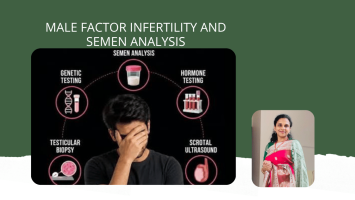
Male Factor Infertility - Semen Analysis and Management

Male factor infertility — abnormalities in sperm count, motility, morphology, or other semen parameters — contributes to approximately half of all cases of infertility in couples. Despite this, the male partner is frequently under-investigated in clinical settings. Dr Sudharani Bairraju ensures that semen analysis is a standard and non-negotiable component of every fertility evaluation at Birthright Fertility by Rainbow Hospitals, Banjara Hills, Hyderabad. A baseline semen analysis assesses sperm concentration, total sperm number, progressive motility, morphology, and ejaculate volume. Abnormal results are repeated after four to six weeks before conclusions are drawn. Where a problem is confirmed, further investigation - including hormonal assessment and specialist urology review when indicated - is arranged to identify whether the cause is treatable. Male factor infertility is managed in coordination with appropriate specialists, and in cases where sperm parameters cannot be corrected, assisted reproductive techniques including IUI or IVF with ICSI offer effective pathways to conception.

Male Factor Infertility and Semen Analysis: Understanding the Investigation and What It Determines

Male factor infertility, defined as a semen analysis result below the WHO 2021 reference values in one or more parameters, contributes to infertility in approximately half of all couples who have difficulty conceiving, either as the sole factor or in combination with a female factor. The semen analysis is the primary investigation for the male partner and evaluates sperm concentration (lower reference limit 16 million per millilitre), total sperm number (39 million per ejaculate), total motility (42%), progressive motility (30%), and morphology by strict Kruger criteria (4%). A result below the reference limit in one or more of these parameters does not determine the treatment pathway in isolation; it informs it in combination with the degree of the abnormality, which parameters are affected, and the female partner's fertility evaluation. Dr. Sudharani Bairraju, Senior Consultant IVF Specialist at Birthright Fertility by Rainbow Hospitals, Banjara Hills, Hyderabad, with 28 years of fertility practice and Postgraduate Certification in Clinical Embryology and Training in Advanced Infertility and Andrology, evaluates and manages male factor infertility as an integral part of every couple's fertility assessment. A single abnormal semen analysis is never the basis for a treatment decision; the test is always repeated four to six weeks later before conclusions are drawn, because sperm parameters fluctuate naturally and are affected by recent illness, fever, heat exposure, and the interval since the last ejaculation. Where abnormalities are confirmed on repeat testing, hormonal, anatomical, and lifestyle factors are assessed for reversibility before proceeding to assisted reproduction.

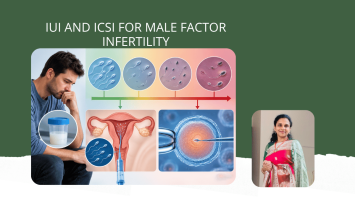
IUI and ICSI for Male Factor Infertility: Matching the Treatment to the Degree of Abnormality

The treatment pathway for male factor infertility is determined by the degree and pattern of semen analysis abnormality and the female partner's fertility status, not by a fixed protocol applied to every couple with a low sperm count. Mild male factor abnormalities, where sperm count and motility are below reference limits but not severely reduced, and where the female partner's evaluation is reassuring, may be suitable for intrauterine insemination (IUI), in which a washed and concentrated sperm sample is introduced directly into the uterine cavity at the time of ovulation, increasing the number of motile sperm reaching the fallopian tubes. Moderate male factor abnormalities warrant more careful consideration of whether IUI is appropriate or whether IVF with ICSI offers a significantly better outcome per treatment cycle. Severe male factor abnormalities, including severe oligospermia (very low sperm count), severe asthenospermia (severely reduced motility), or multiple parameter abnormalities simultaneously, indicate IVF with ICSI as the primary treatment approach. Dr. Sudharani Bairraju, Senior Consultant IVF Specialist at Birthright Fertility by Rainbow Hospitals, Banjara Hills, Hyderabad, has transformed the treatment of severe male factor infertility through ICSI, in which a single morphologically normal sperm is selected under high-powered magnification and injected directly into the egg, bypassing entirely the need for the sperm to penetrate the egg independently. ICSI makes biological fatherhood achievable for men with severe sperm abnormalities who would previously have had no viable fertility treatment option, and it is one of the most significant advances in reproductive medicine in the last three decades.

Dr. Sudharani Bairraju's Expert Tips & Health Insights

Latest

Articles by Dr. Sudharani Bairraju

https://d2vvc091k8tmib.cloudfront.net/s3fs-public/2026-09/Understanding%20the%20Semen%20Analysis%20Report.png
https://d2vvc091k8tmib.cloudfront.net/s3fs-public/2025-05/Social%20media%20posters%20%2812%29.jpg
By: Dr. Sudharani Bairraju
03 September 2026

Understanding the Semen Analysis Report: What the Numbers Mean for Your Fertility

A fertility specialist explains what every parameter in a semen analysis report means, what the numbers indicate about male fertility, and what happens next when an abnormality is found, at Birthright Fertility, Hyderabad.
Read More
https://d2vvc091k8tmib.cloudfront.net/s3fs-public/2026-08/What%20to%20Expect%20During%20Your%20IVF%20Journey.png
https://d2vvc091k8tmib.cloudfront.net/s3fs-public/2025-05/Social%20media%20posters%20%2812%29.jpg
By: Dr. Sudharani Bairraju
24 August 2026

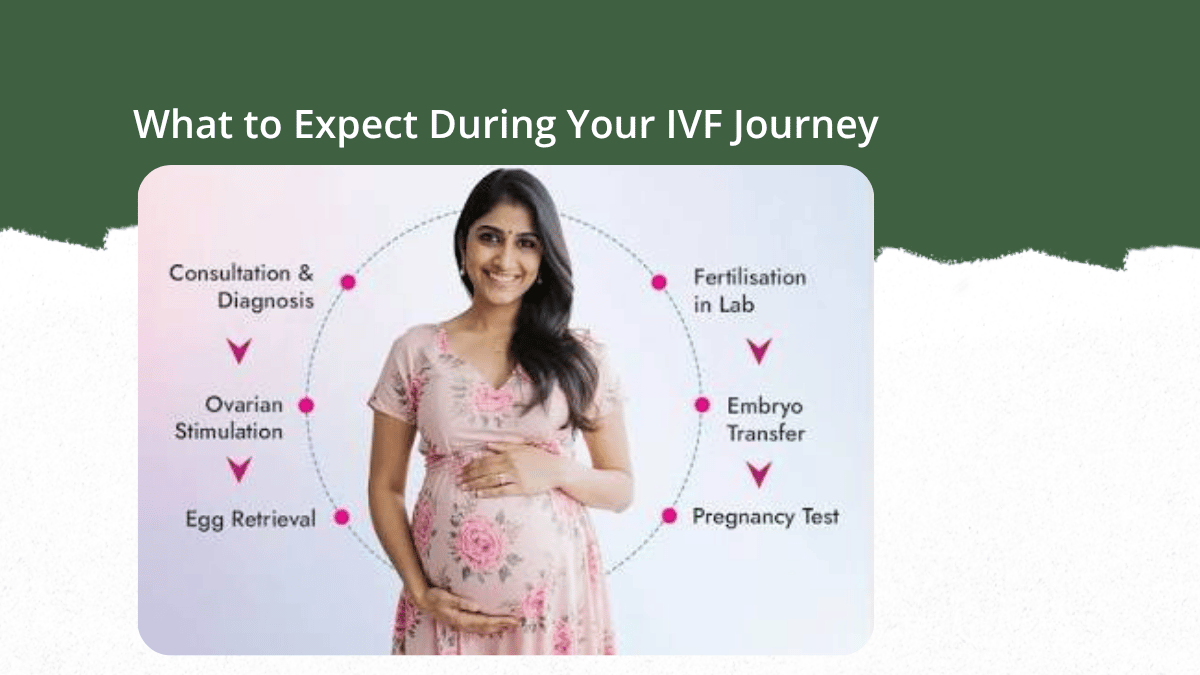
What to Expect During Your IVF Journey

A Senior IVF Specialist at Birthright Fertility, Hyderabad, explains every step of the IVF journey from initial consultation through ovarian stimulation, egg retrieval, fertilisation, embryo transfer, and pregnancy test, with the physical and emotional context couples need.
Read More
https://d2vvc091k8tmib.cloudfront.net/s3fs-public/2026-08/When%20to%20See%20a%20Fertility%20Specialist.png
https://d2vvc091k8tmib.cloudfront.net/s3fs-public/2025-05/Social%20media%20posters%20%2812%29.jpg
By: Dr. Sudharani Bairraju
19 August 2026

When to See a Fertility Specialist?

A comprehensive guide on when to consult a fertility specialist - from pre-pregnancy evaluation and irregular cycles to recurrent miscarriages, male factor, ovarian reserve, and failed treatments, by Dr. Sudharani Bairraju, BirthRight Fertility, Hyderabad.
Read More
https://d2vvc091k8tmib.cloudfront.net/s3fs-public/2026-08/Understanding%20Infertility.png
https://d2vvc091k8tmib.cloudfront.net/s3fs-public/2025-05/Social%20media%20posters%20%2812%29.jpg
By: Dr. Sudharani Bairraju
05 August 2026

Understanding Infertility

A fertility specialist explains infertility - its definition, common causes in women and men, unexplained infertility, and why rates are rising globally.
Read More
https://d2vvc091k8tmib.cloudfront.net/s3fs-public/2026-08/Treatment%20Options%20in%20Infertility.png
https://d2vvc091k8tmib.cloudfront.net/s3fs-public/2025-05/Social%20media%20posters%20%2812%29.jpg
By: Dr. Sudharani Bairraju
05 August 2026

Treatment Options in Infertility

A fertility specialist explains all infertility treatment options - from follicular study and ovulation induction through to IUI and IVF - with success rates and indications for each.
Read More
https://d2vvc091k8tmib.cloudfront.net/s3fs-public/2026-07/Optimising%20Fertility.png
https://d2vvc091k8tmib.cloudfront.net/s3fs-public/2025-05/Social%20media%20posters%20%2812%29.jpg
By: Dr. Sudharani Bairraju
28 July 2026

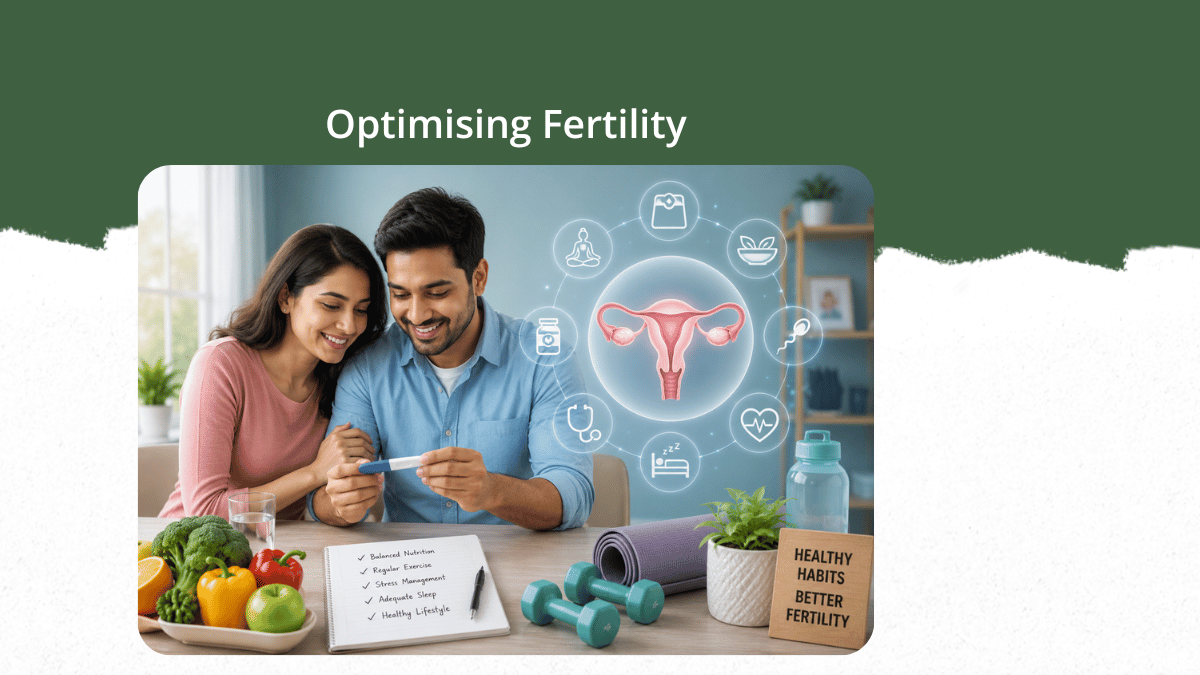
Optimising Fertility

A fertility specialist's guide to optimising fertility - age timing, antioxidant diet, exercise, sleep, and the negative impact of obesity, smoking, alcohol, and stress on egg and sperm.
Read More
https://d2vvc091k8tmib.cloudfront.net/s3fs-public/2026-07/World%20IVF%20Day%20You%20Are%20Very%20Important%20-%20Do%20Not%20Lose%20Yourself%20in%20This%20Fertility%20Journey.png
https://d2vvc091k8tmib.cloudfront.net/s3fs-public/2025-05/Social%20media%20posters%20%2812%29.jpg
By: Dr. Sudharani Bairraju
23 July 2026

World IVF Day: You Are Very Important - Do Not Lose Yourself in This Fertility Journey

A World IVF Day message from an IVF specialist: your health, your relationship, and your peace of mind matter as much as achieving a pregnancy.
Read More
https://d2vvc091k8tmib.cloudfront.net/s3fs-public/2026-07/Understanding%20Fertility%20Evaluation%20What%20Happens%20When%20a%20Couple%20First%20Comes%20to%20See%20Me.png
https://d2vvc091k8tmib.cloudfront.net/s3fs-public/2025-05/Social%20media%20posters%20%2812%29.jpg
By: Dr. Sudharani Bairraju
20 July 2026

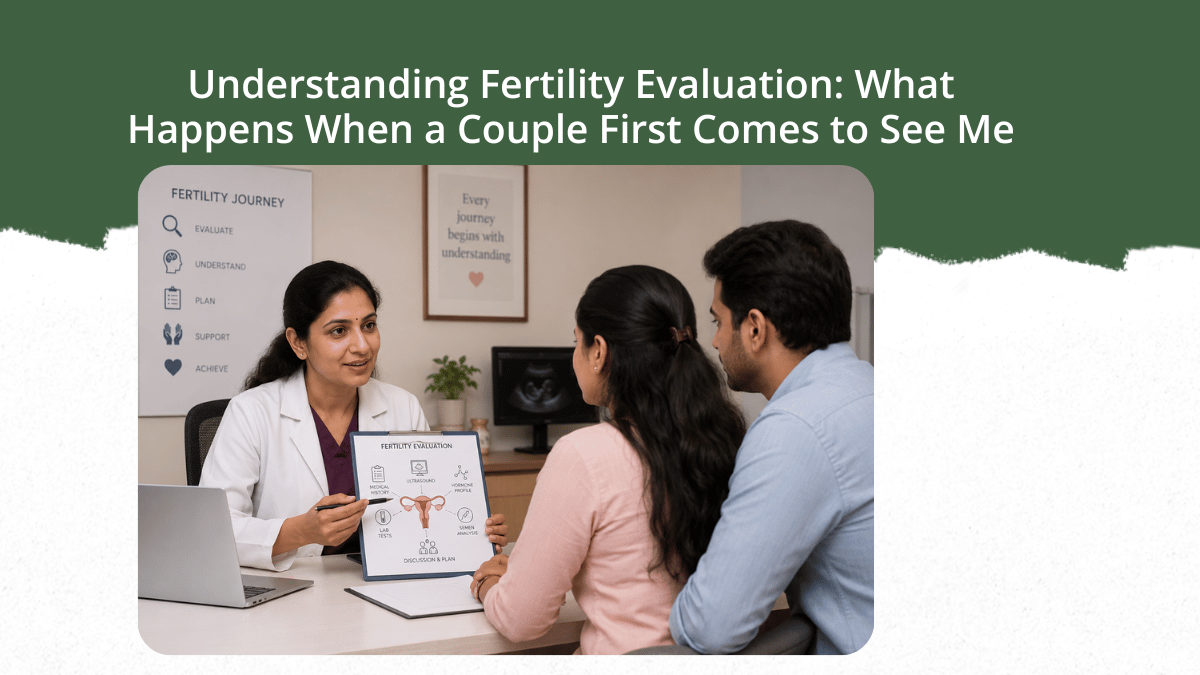
Understanding Fertility Evaluation: What Happens When a Couple First Comes to See Me

What happens at a fertility evaluation - history, pelvic ultrasound, tubal patency test, hormonal tests, and semen analysis explained by an IVF specialist.
Read More
https://d2vvc091k8tmib.cloudfront.net/s3fs-public/2026-06/IVF%20Treatment%20Who%20Needs%20It%2C%20How%20It%20Works%2C%20and%20What%20Couples%20Should%20Know%20%281%29.png
https://d2vvc091k8tmib.cloudfront.net/s3fs-public/2025-05/Social%20media%20posters%20%2812%29.jpg
By: Dr. Sudharani Bairraju
22 June 2026

Failed IVF - Not the End of the Road

Understand the reasons behind failed IVF cycles and explore next treatment options, tests, and strategies to improve success chances with Dr. Sudharani Bairraju, Hyderabad.
Read More
https://d2vvc091k8tmib.cloudfront.net/s3fs-public/2026-06/IVF%20Treatment%20Who%20Needs%20It%2C%20How%20It%20Works%2C%20and%20What%20Couples%20Should%20Know.png
https://d2vvc091k8tmib.cloudfront.net/s3fs-public/2025-05/Social%20media%20posters%20%2812%29.jpg
By: Dr. Sudharani Bairraju
13 June 2026

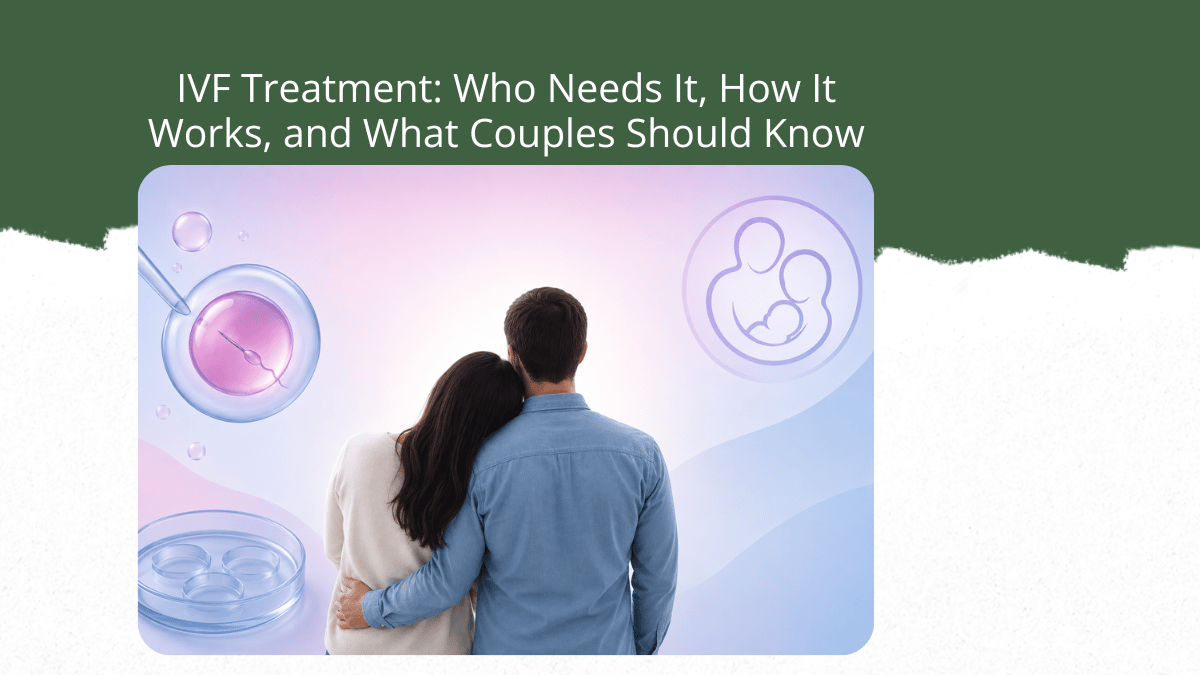
IVF Treatment: Who Needs It, How It Works, and What Couples Should Know

Learn who may benefit from IVF, when simpler fertility treatments are appropriate, and what to expect during fertility evaluation, ovarian stimulation, embryo transfer, and FET.
Read More
https://d2vvc091k8tmib.cloudfront.net/s3fs-public/2026-03/12_15.png
https://d2vvc091k8tmib.cloudfront.net/s3fs-public/2025-05/Social%20media%20posters%20%2812%29.jpg
By: Dr. Sudharani Bairraju
21 June 2025

AGE MATTERS Declining Fertility with Age

Fertility declines with age due to reduced egg quality and quantity, especially after 30 and more rapidly after 35. Understanding this helps in timely family planning and informed fertility decisions.
Read More
https://d2vvc091k8tmib.cloudfront.net/s3fs-public/2026-03/13_16.png
https://d2vvc091k8tmib.cloudfront.net/s3fs-public/2025-05/Social%20media%20posters%20%2812%29.jpg
By: Dr. Sudharani Bairraju
13 June 2025

How Lifestyle Choices Impact Fertility – A Doctor’s Perspective from the Frontlines

Lifestyle choices like diet, stress, sleep, and habits such as smoking or alcohol significantly impact fertility by affecting hormones and egg/sperm quality. Healthy changes can improve chances of conception.
Read More
https://d2vvc091k8tmib.cloudfront.net/s3fs-public/2026-03/14_16.png
https://d2vvc091k8tmib.cloudfront.net/s3fs-public/2025-05/Social%20media%20posters%20%2812%29.jpg
By: Dr. Sudharani Bairraju
13 June 2025

Recurrent Pregnancy Loss Why It Happens and What Fertility Experts Can Do

Recurrent pregnancy loss can occur due to genetic, hormonal, uterine, or immune factors. Fertility experts use advanced diagnostics and personalized treatments to identify causes and improve chances of a healthy pregnancy.
Read More
https://d2vvc091k8tmib.cloudfront.net/s3fs-public/2026-03/15_15.png
https://d2vvc091k8tmib.cloudfront.net/s3fs-public/2025-05/Social%20media%20posters%20%2812%29.jpg
By: Dr. Sudharani Bairraju
13 June 2025

What Is Unexplained Infertility Insights from a Fertility Expert

Unexplained infertility occurs when standard tests show no clear cause despite difficulty conceiving. Advanced treatments like IUI and IVF can improve pregnancy chances through personalized care.
Read More
https://d2vvc091k8tmib.cloudfront.net/s3fs-public/2026-03/16_6.png
https://d2vvc091k8tmib.cloudfront.net/s3fs-public/2025-05/Social%20media%20posters%20%2812%29.jpg
By: Dr. Sudharani Bairraju
13 June 2025

The Patients Who Changed Me – Stories That Stay With Me Forever

Some patient journeys leave a lasting impact, shaping a doctor’s approach to care, empathy, and connection. These heartfelt stories highlight hope, resilience, and the life-changing power of trust.
Read More
https://d2vvc091k8tmib.cloudfront.net/s3fs-public/2026-03/17_5.png
https://d2vvc091k8tmib.cloudfront.net/s3fs-public/2025-05/Social%20media%20posters%20%2812%29.jpg
By: Dr. Sudharani Bairraju
13 June 2025

Yes Doctors Get Tired Too But Here’s Why I Keep Showing Up Every Day

Doctors face long hours, emotional strain, and fatigue, yet continue to show up for their patients. This heartfelt reflection highlights resilience, purpose, and the passion that drives compassionate care.
Read More
https://d2vvc091k8tmib.cloudfront.net/s3fs-public/2026-03/18_5.png
https://d2vvc091k8tmib.cloudfront.net/s3fs-public/2025-05/Social%20media%20posters%20%2812%29.jpg
By: Dr. Sudharani Bairraju
13 June 2025

What Keeps Me Going The Look on a Patient’s Face When They Hear You’re Pregnant

Every day, I wake up before sunrise, get ready, and drive through Hyderabad traffic to Rainbow Hospitals. My clinic starts at 10, but I’m usually there by 9 because I can’t wait to meet my patients.
Read More

Podcasts by Dr. Sudharani Bairraju

Dr. Sudharani Bairraju's Patient Testimonial Reviews

Leave a Review

Patient Reviews

Dr. Sudharani Bairraju

Leave a Review

Frequently Asked Questions

Frequently Asked Questions

View all

How many IUI cycles should we try before moving to IVF with ICSI?

The standard guidance for IUI in couples with mild male factor infertility and favourable female factors is three to four stimulated IUI cycles before considering escalation to IVF. The rationale is that each well-executed IUI cycle with ovarian stimulation, timed insemination, and a quality sperm sample carries a reasonable per-cycle success rate for appropriate candidates, and three to four cycles provide a meaningful opportunity for success without prolonged delay. However, this is a guideline, not an invariable rule. Several factors should prompt earlier consideration of moving to IVF rather than completing three to four IUI cycles: female partner age above 35 years, where time is clinically significant; reduced ovarian reserve on AMH testing or antral follicle count; more than mild male factor abnormality, where IUI's incremental benefit over natural conception is limited and IVF with ICSI would be significantly more effective; or the presence of any additional fertility factors such as tubal disease or endometriosis that make IUI a poor treatment fit regardless of the sperm parameters. The couple who has spent three or four cycles on IUI that was never their best treatment option has also spent three or four months that cannot be recovered. At Birthright Fertility, Banjara Hills, Hyderabad, the treatment pathway is individualised at the first consultation to ensure that the first treatment offered is the most appropriate one, not simply the least invasive one available.

Related reading: 

Understanding the Semen Analysis Report: What the Numbers Mean for Your Fertility
Understanding Fertility Evaluation: What Happens When a Couple First Comes to See Me
What to Expect During Your IVF Journey
Written by Dr. Sudharani Bairraju, DNB OBG, Postgraduate Certification Clinical Embryology, Training Advanced Infertility and Andrology, Senior Consultant IVF Specialist, Birthright Fertility by Rainbow Hospitals, Banjara Hills, Hyderabad. Phone: 07337390606.

Can lifestyle changes improve my sperm parameters before we start fertility treatment?

Yes, and in some cases meaningfully so, but with an important caveat: the sperm that will be available for fertility treatment in three months' time are the sperm being produced today, because the full cycle of sperm development takes approximately 74 days. Any lifestyle change made now will begin to affect sperm parameters in approximately three months. The lifestyle factors with the most evidence for improving sperm quality are: stopping smoking, which is associated with reduced sperm count, motility, and DNA integrity; reducing or eliminating alcohol, which at significant intake levels impairs testosterone production and sperm quality; avoiding scrotal heat exposure from hot baths, saunas, tight underwear, and prolonged laptop use, because sperm production is optimal at slightly below body temperature; managing stress, which influences hormonal axes that affect sperm production; and achieving a healthy body weight, since obesity is associated with hormonal changes that reduce sperm quality. For couples who have a confirmed abnormality and are already planning fertility treatment, I balance the realistic benefit of lifestyle modification against the time it requires. Where the female partner's age or ovarian reserve creates time pressure, waiting three months for lifestyle changes to take effect may not be the most appropriate strategy, and fertility treatment should not be delayed in pursuit of marginal sperm improvement. The conversation about lifestyle and timing is one I have individually with every couple, because the right balance between optimisation and urgency is different for each.

Related reading: 

Understanding the Semen Analysis Report: What the Numbers Mean for Your Fertility
Understanding Fertility Evaluation: What Happens When a Couple First Comes to See Me
What to Expect During Your IVF Journey
Written by Dr. Sudharani Bairraju, DNB OBG, Postgraduate Certification Clinical Embryology, Training Advanced Infertility and Andrology, Senior Consultant IVF Specialist, Birthright Fertility by Rainbow Hospitals, Banjara Hills, Hyderabad. Phone: 07337390606

What does it mean if my semen analysis shows zero sperm (azoospermia), and are there any treatment options?

Azoospermia, the finding of no sperm in the ejaculate, is one of the results in a semen analysis that understandably causes the most concern, and I want to be clear with couples who receive this result: the absence of sperm in the ejaculate does not necessarily mean that there are no sperm in the body, and it does not necessarily mean that biological fatherhood is impossible. The critical first step is to determine whether the azoospermia is obstructive or non-obstructive. Obstructive azoospermia means that sperm are being produced normally in the testes but cannot reach the ejaculate because the reproductive tract is blocked, most commonly due to previous vasectomy, infection causing scarring of the vas deferens or epididymis, or congenital absence of the vas deferens. In obstructive azoospermia, sperm are present in the testes and can be retrieved surgically using PESA (percutaneous epididymal sperm aspiration) or TESA (testicular sperm aspiration) and used to fertilise eggs through ICSI. Non-obstructive azoospermia means that sperm production is severely impaired or absent, due to hormonal causes, genetic factors, or prior testicular damage. In some cases of non-obstructive azoospermia, sperm may still be found in specific areas of the testes through a microsurgical TESE (testicular sperm extraction) procedure even when the ejaculate contains none. The management of azoospermia always begins with a thorough urological and hormonal evaluation to establish the cause and determine the most appropriate sperm retrieval approach before any IVF treatment is planned.


Written by
Dr. Sudharani Bairraju, DNB OBG, Postgraduate Certification Clinical Embryology, Training Advanced Infertility and Andrology, Senior Consultant IVF Specialist, Birthright Fertility by Rainbow Hospitals, Banjara Hills, Hyderabad. Phone: 07337390606. 

What is an HSG test and why is it done in a fertility evaluation?

A hysterosalpingogram — the HSG — is an X-ray procedure in which a small amount of contrast dye is introduced through the cervix into the uterine cavity. As the dye flows through, X-ray images show the shape of the uterine cavity and whether the dye spills freely through both fallopian tubes into the pelvis. If it does, the tubes are open. If it does not, the tube is blocked at the point where the dye stops. Its alternative, the sonosalpingogram (SSG), achieves the same purpose using ultrasound guidance rather than X-ray.
The investigation is a routine and essential part of the fertility evaluation because fallopian tube blockage is one of the most common causes of infertility — it prevents the egg and sperm from meeting and can result from previous infection, pelvic inflammatory disease, endometriosis, or prior surgery.
The HSG also provides information about the uterine cavity itself. Abnormalities such as a uterine septum, submucous fibroid, or polyp can be identified — all of which can interfere with implantation and pregnancy maintenance.
Open tubes with a normal cavity: No tubal or uterine factor contributing to infertility — further investigation focuses elsewhere
Unilateral blockage (one tube blocked): Conception may still be possible through the open tube, depending on other factors
Bilateral blockage (both tubes blocked): Natural conception is not possible — IVF, which bypasses the tubes entirely, becomes the appropriate treatment pathway
Uterine cavity abnormality identified: Further investigation or hysteroscopy may be recommended before proceeding with treatment
The HSG is typically performed in the first half of the menstrual cycle, after bleeding has stopped and before ovulation. It takes approximately fifteen to thirty minutes and may cause brief cramping. The information it provides is fundamental to planning the right treatment for each couple at Birthright Fertility, Banjara Hills, Hyderabad.

Written by Dr Sudharani Bairraju, MBBS (Sri Venkateswara Medical College, Tirupathi, 1997), DNB Obstetrics and Gynaecology (St Theresa's General Hospital, Hyderabad, 2007), Postgraduate Certification in Clinical Embryology, Fellowship in Minimally Invasive Surgeries, Fellowship in Advanced Gynaecological Endoscopy, Senior Consultant Obstetrician and Gynaecologist, Infertility (IVF) Specialist and Laparoscopic Surgeon, Birthright Fertility by Rainbow Hospitals, Banjara Hills, Hyderabad.

What is AMH and what does it tell us about fertility?

AMH — anti-Mullerian hormone — is a protein produced by the small developing follicles in the ovaries. Its blood level reflects the size of the remaining pool of eggs available in the ovaries at any given time. This is what we mean by ovarian reserve, and AMH is currently the most reliable single blood test available for estimating it.
Unlike FSH or estradiol, which fluctuate significantly across the menstrual cycle, AMH remains relatively stable and can be measured at any point in the cycle. This makes it a practical and informative test for any woman undergoing fertility evaluation.
What the results mean in practice:
A high AMH level suggests a good egg count and is generally reassuring in terms of the quantity of eggs remaining. It does not, however, tell us about egg quality — which is largely determined by age
A very high AMH level — particularly in a woman with irregular periods and polycystic-appearing ovaries on ultrasound — may indicate PCOS and is relevant when planning ovulation induction or IVF, as it signals a risk of ovarian hyperstimulation
A low AMH level indicates that the ovarian reserve is diminished — fewer eggs remain than expected for the woman's age. This does not mean conception is impossible, but it does mean that time is an important factor and that fertility treatment may need to begin sooner rather than later
A very low AMH in a young woman may warrant investigation for premature ovarian insufficiency
AMH is always interpreted alongside the antral follicle count on pelvic ultrasound and the woman's age and menstrual history. No single test result dictates treatment. What AMH does is give us an accurate starting point for an honest conversation about a woman's reproductive timeline and the options available to her at Birthright Fertility, Banjara Hills, Hyderabad.

Written by Dr Sudharani Bairraju, MBBS (Sri Venkateswara Medical College, Tirupathi, 1997), DNB Obstetrics and Gynaecology (St Theresa's General Hospital, Hyderabad, 2007), Postgraduate Certification in Clinical Embryology, Fellowship in Minimally Invasive Surgeries, Fellowship in Advanced Gynaecological Endoscopy, Senior Consultant Obstetrician and Gynaecologist, Infertility (IVF) Specialist and Laparoscopic Surgeon, Birthright Fertility by Rainbow Hospitals, Banjara Hills, Hyderabad. 

How long should a couple try before seeking a fertility evaluation?

The most commonly used clinical definition of infertility is the failure to conceive after 12 months of regular unprotected intercourse. This is the general threshold after which a couple should seek a fertility evaluation, and it applies to women under the age of 35 who have no known reproductive health conditions.
For women aged 35 or older, the threshold shortens to six months. This is not simply a guideline — it reflects the biological reality that ovarian reserve declines with age and that time spent investigating is time well spent when the reproductive window is narrowing.
There are also situations where I recommend earlier evaluation regardless of how long the couple has been trying. These include:

  • Irregular, infrequent, or absent menstrual periods - which may indicate ovulation problems including PCOS or thyroid dysfunction
  • A known or suspected history of pelvic inflammatory disease, endometriosis, or previous pelvic surgery
  • A previous ectopic pregnancy or known tube damage
  • A history of recurrent miscarriage - two or more pregnancy losses
  • A male partner with a known history of testicular injury, surgery, or conditions that may affect sperm production
  • Any medical condition in either partner that is known to affect fertilityIn my practice at Birthright Fertility, Banjara Hills, Hyderabad, I always tell couples that seeking an evaluation early does not mean committing to treatment. It means understanding what is happening. Sometimes the evaluation provides reassurance. Sometimes it identifies a treatable problem quickly. Either way, knowing is always better than waiting without information.

Written by Dr Sudharani Bairraju, MBBS (Sri Venkateswara Medical College, Tirupathi, 1997), DNB Obstetrics and Gynaecology (St Theresa's General Hospital, Hyderabad, 2007), Postgraduate Certification in Clinical Embryology, Fellowship in Minimally Invasive Surgeries, Fellowship in Advanced Gynaecological Endoscopy, Senior Consultant Obstetrician and Gynaecologist, Infertility (IVF) Specialist and Laparoscopic Surgeon, Birthright Fertility by Rainbow Hospitals, Banjara Hills, Hyderabad. 

Link copied to clipboard!