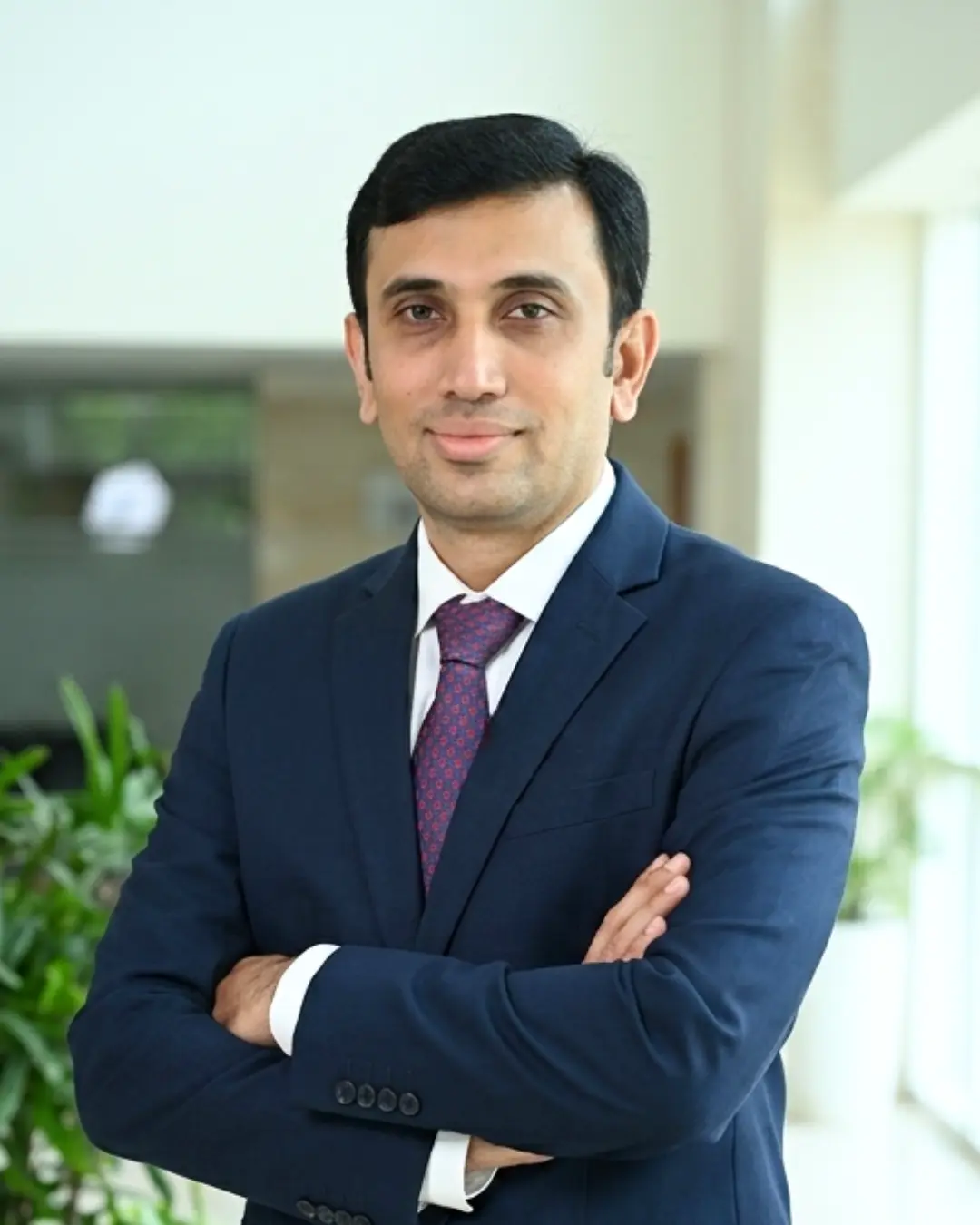



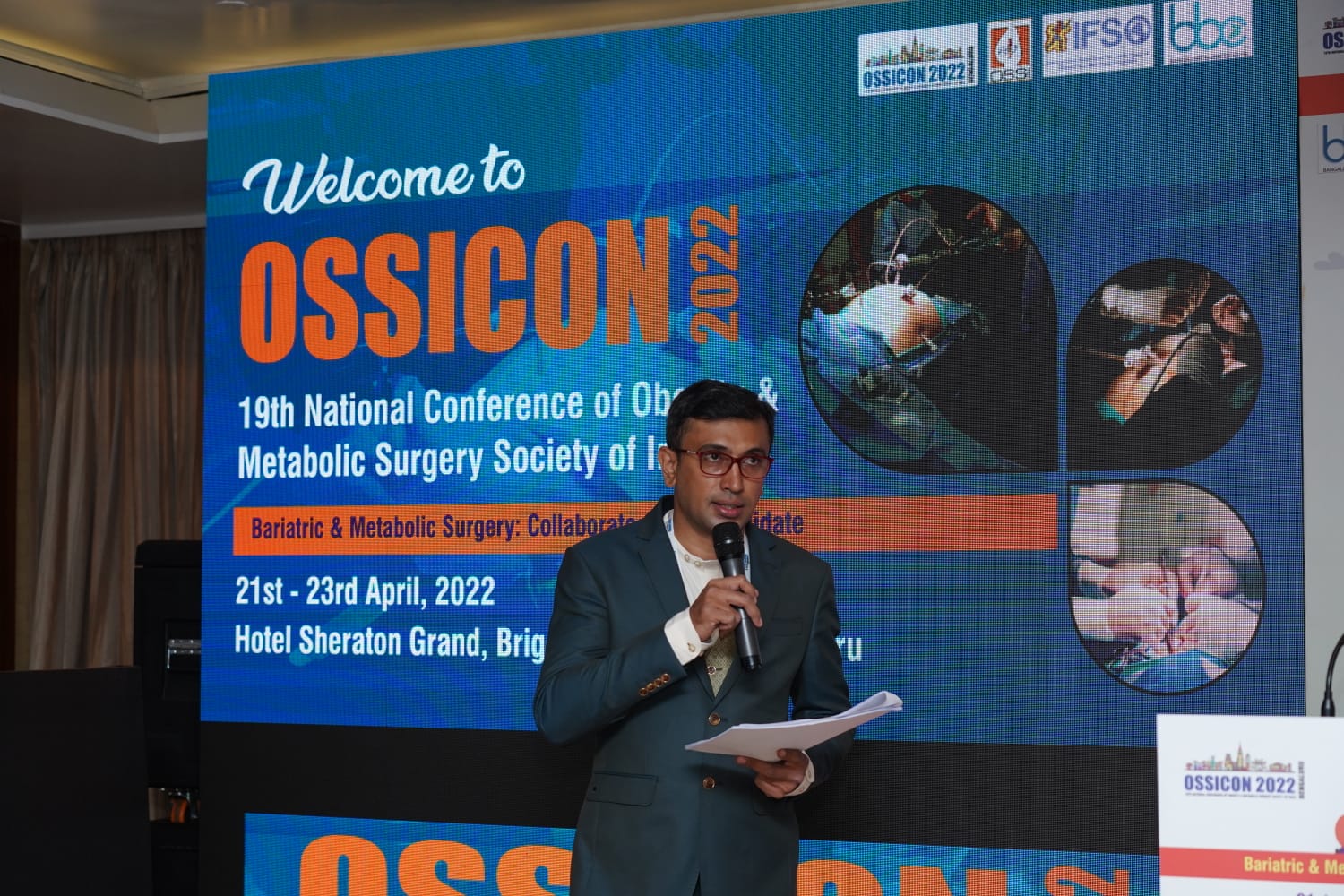
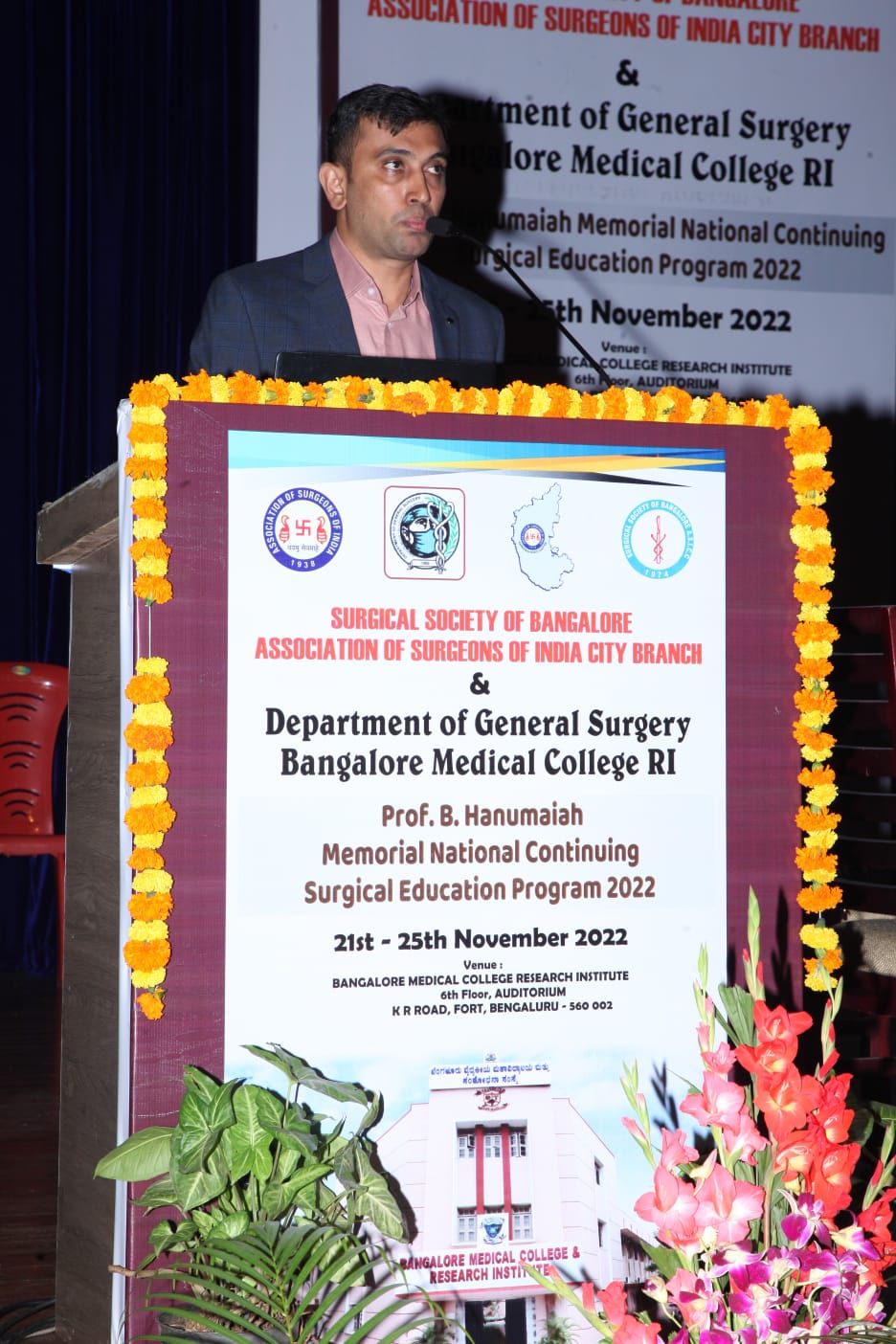
Dr. Niranjan P

Dr. Niranjan P

Consultant - General, Gl, Laparoscopic, Robotic & Bariatric Surgeon

MBBS, DNB (General Surgery)

20+ Years of Experience

18,000+ Patients cared | 8000+ Surgeries performed

20+ Years of Experience

18,000+ Patients cared | 8000+ Surgeries performed

LinQ Card

About Dr. Niranjan P

Dr. Niranjan P is a highly skilled Consultant General, GI, Laparoscopic, Robotic, and Bariatric Surgeon with expertise in managing a wide spectrum of surgical conditions with precision and advanced care. With specialized training in minimally invasive, robotic, and gastrointestinal surgeries, he offers comprehensive treatment for digestive disorders, obesity, colorectal conditions, and surgical oncology. His approach combines evidence-based surgical techniques with personalized patient care to ensure safer procedures, faster recovery, and improved outcomes. Dedicated to clinical excellence, he focuses on delivering effective, modern surgical solutions with compassion and long-term care in mind.


https://d2vvc091k8tmib.cloudfront.net/s3fs-public/2026-05/Dr.%20Niranjan.png

Dr. Niranjan P specializes in General Surgery, Laparoscopic (Minimally Invasive) Surgery, and Bariatric (Weight Loss) Surgery, offering advanced, patient-focused care in Bengaluru. His expertise includes laparoscopic hernia repair, gallbladder (lap cholecystectomy) surgery, appendix removal, gastrointestinal surgeries, and treatment of colorectal conditions. He is also highly experienced in bariatric procedures such as gastric bypass and sleeve gastrectomy, helping patients achieve sustainable weight loss and improved metabolic health. Known for using state-of-the-art minimally invasive techniques, Dr. Niranjan P ensures reduced surgical pain, minimal scarring, faster recovery, and shorter hospital stays. His approach integrates accurate diagnosis, personalized treatment planning, and long-term follow-up care, making him a trusted choice for advanced surgical care. With a strong focus on safety, precision, and enhanced patient outcomes, he delivers comprehensive solutions for both routine and complex surgical conditions.


Dr. Niranjan P's Areas of expertise

  • Advanced Laparoscopic Surgery – Minimally invasive surgery performed through small incisions for faster recovery, reduced pain, and minimal scarring.
  • Robotic Surgery – Advanced precision-guided minimally invasive surgery using robotic technology for complex surgical procedures with enhanced accuracy.
  • GI Onco Surgery – Specialized surgical treatment for cancers affecting the digestive system, including the stomach, intestine, colon, liver, and pancreas.
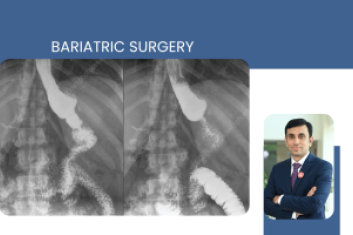
  • Bariatric Surgery – Weight-loss surgery designed to help manage obesity and improve obesity-related health conditions like diabetes and hypertension.
  • Bariatric Surgery – Offers advanced procedures like gastric sleeve and bypass for sustainable weight loss and metabolic improvement.
  • Gastrointestinal Surgeries – Skilled in managing disorders of the stomach, intestines, and digestive system with precision care.
  • Colorectal Surgery – Treats conditions such as piles, fissures, fistula, and colorectal diseases with modern surgical techniques.
  • Emergency Surgical Care – Handles acute surgical conditions efficiently with prompt diagnosis and intervention.
  • Proctology – Diagnosis and treatment of anorectal conditions such as piles, fissures, fistula, and rectal disorders.
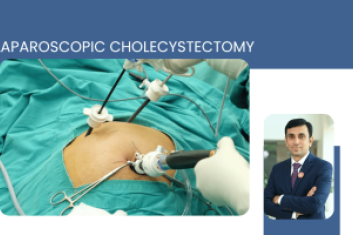
  • Laparoscopic Cholecystectomy – Performs safe and effective removal of gallbladder stones using minimally invasive methods.
  • Surgeries of Breast and Thyroid – Surgical management of benign and cancerous conditions affecting the breast and thyroid gland.
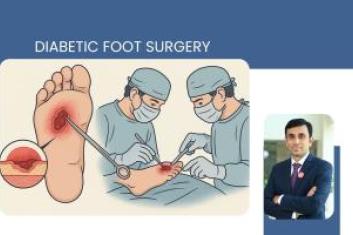
  • Diabetic Foot Surgery – Specialized surgical treatment for diabetic foot infections, ulcers, and complications to prevent limb-threatening conditions.
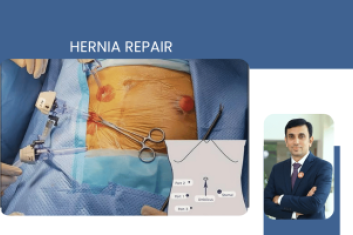
  • Hernia Repair– Expert in treating all types of hernias with modern mesh and laparoscopic techniques for long-term success.
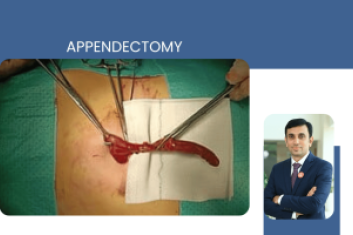
  • Appendectomy – Provides timely surgical management of appendicitis with quick recovery outcomes.
Achievements and Awards:
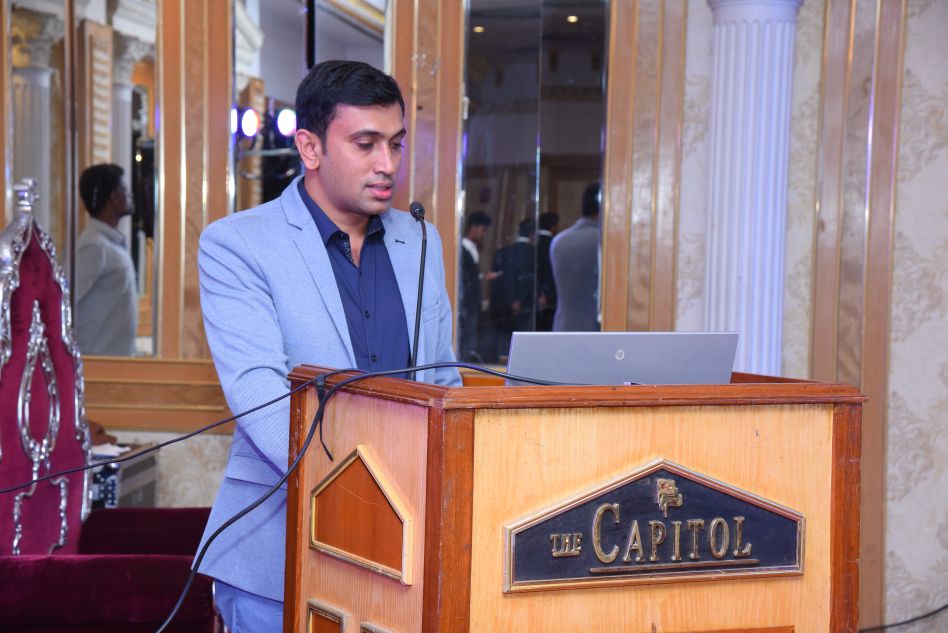
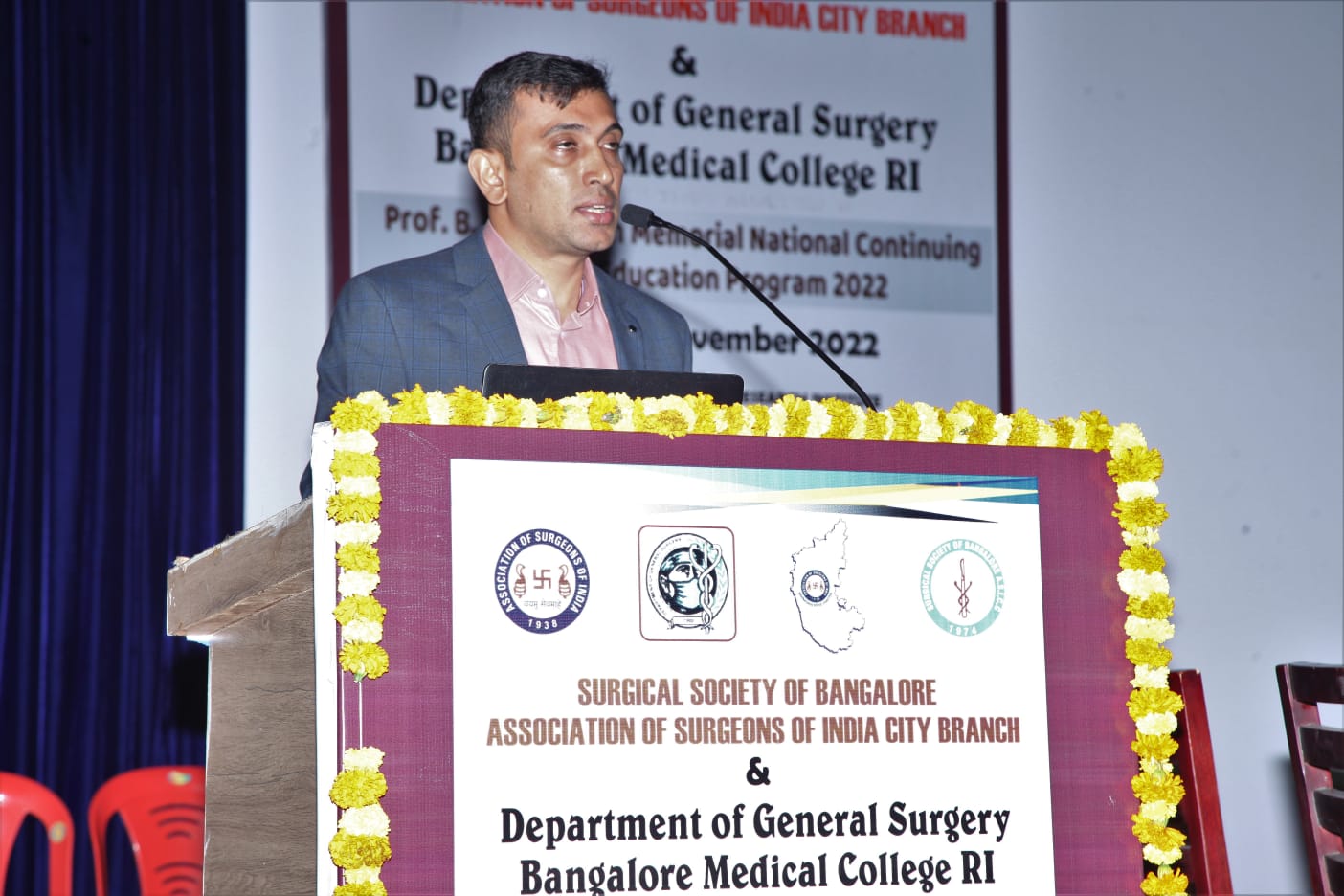
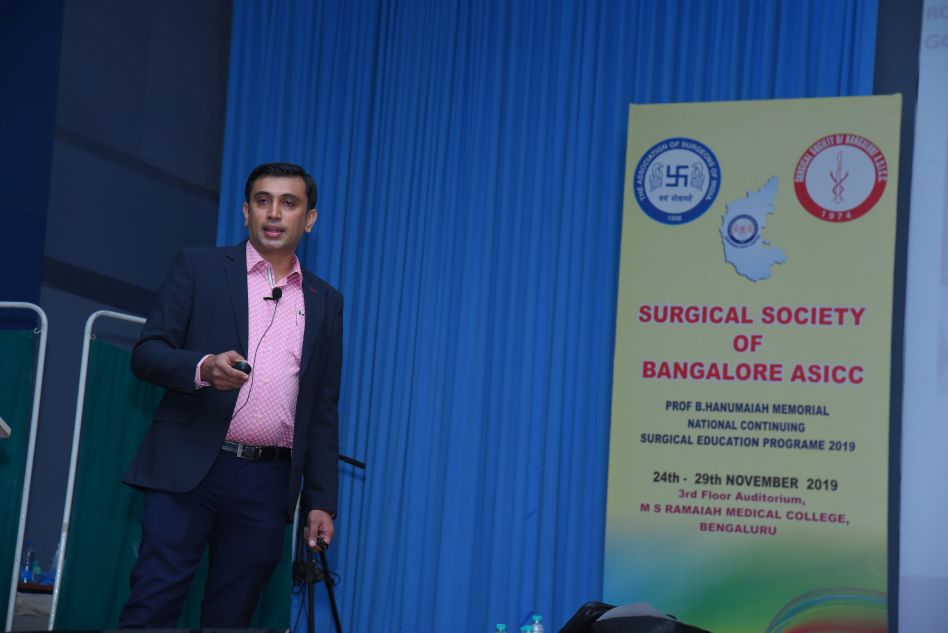
  • Trainer and Faculty for Basic and Advanced General and Laparoscopic Surgical Skills Training for ASI, SSB ASICC and KSC ASI, Bangalore Medical College Skills Centre
  • Have moderated and chaired scientific sessions and operative workshops at Various CMEs and Conferences.
  • Have given invited lectures in various conferences and CMEs .
  • Have organised various conferences as a part of the organising team and also was scientific committee co chairperson for FIAGES and FALS Certification programme on behalf of IAGES held in Bangalore.-2024.
  • Have Authored and Coauthored many original articles in reputed Surgical Journals
  • Winner of Millenium Gold Medal Best Paper Award- 2016
  • Secured best paper award in Bangalore surgical society monthly meeting held in December 2009
  • For the paper titled Attitude of patients towards surgical training in private practice
  • Secured best paper award in Mysore pg award category in KSC Asicon 2010 February for the pape titled Attitude of patients towards surgical training in private practice
  • Secured best poster award in Bangalore surgical society monthly meeting for 2 years consecutivelyfrom 2010 to 2011
  • Presented a paper titled Prospective study about complications of Gallstones at Asicon 2012 held inKolkata-December 2012
  • Presented a paper titled Audit on discharge summaries inMahadevan award paper category at Ksc Asicon 2014 ,held in Manipal during February 2014
Other Achievements and recognitions:
  • Clinical Excellence in General & Laparoscopic Surgery – Recognized for consistently delivering high-quality surgical outcomes and patient care.
  • Expertise in Minimally Invasive Techniques – Acknowledged for advanced skills in laparoscopic and bariatric procedures with excellent recovery results.
  • Conference Participation & Surgical Workshops – Actively involved in national and regional surgical conferences, enhancing clinical knowledge and skills.
  • Research & Academic Contributions – Contributed to surgical literature and case-based studies in general and laparoscopic surgery.
  • Continuous Medical Education (CME) – Regular participant in CME programs, staying updated with the latest advancements in surgical science.
  • Patient-Centered Care Recognition – Appreciated by patients for compassionate approach, clear communication, and successful treatment outcomes.
  • MBBS – Bachelor of Medicine & Bachelor of Surgery, Rajiv Gandhi University of Health Sciences (RGUHS), Karnataka – Year: 2005
  • DNB (General Surgery) – Diplomate of National Board, National Board of Examinations (NBE), New Delhi – Year: 2011

Patient Reviews

Dr Niranjan P - Best Robotic, Laparoscopic and Bariatric Surgeon

Google ★ ★ ★ ★ ★ 5/5 (62 reviews)
AI

AI Summary

5 reviews • 5★

Loading...
Dr Mohammed Faisal

Dr Mohammed Faisal

2 months ago

★ ★ ★ ★ ★
Dr. Niranjan is an excellent Dr. He has done surgery for my wife for gallbladder and harnia so smoothly and with intensive care. He is also very much reachable for instance advice on need. Thank Dr. for giving back to society a dedicated health care.
Raghuveer Murukumpet

Raghuveer Murukumpet

3 months ago

★ ★ ★ ★ ★
Dr. Niranjan is a brilliant surgeon, he did gall bladder removal surgery for my father who is 85 years old with certain heart conditions. I don't have enough words to express my gratitude and appreciation for relieving the pain and suffering my father went through before surgery. Thank you very much
Karuna Lakshmi

Karuna Lakshmi

5 months ago

★ ★ ★ ★ ★
I am very thankful to Dr. Niranjan who did gallbladder sugery and hernia for me. I’m very grateful for the care I received. The doctor was extremely professional, listened carefully to my concerns, and guided me patiently through the treatment. The entire process felt smooth and reassuring. Irrespec
Shadab Mustafa

Shadab Mustafa

7 months ago

★ ★ ★ ★ ★
Very thankful to Dr. Niranjan for the successful gallbladder surgery of my mother. He explained everything clearly, handled the procedure with great care, and ensured a smooth recovery. His calm, professional, and compassionate approach gave our family a lot of confidence. Highly recommended.
Suprith S

Suprith S

3 months ago

★ ★ ★ ★ ★
Dr Niranjan - Is one of the finest, professional & best Surgeon doctor you will find in Bengaluru! Caring, honest & kind guidance assurance is guaranteed! For anything related to Gall Bladder, Hernia, Piles & Fissure, Laproscopic surgery - I strongly recommend..!!!

Conditions and Treatments

Advance Laparoscopic Surgery

Advanced treatment for abdominal conditions using keyhole techniques that ensure faster healing and minimal discomfort. Dr. Niranjan P utilizes cutting-edge laparoscopic methods to improve precision and recovery outcomes. Patients benefit from shorter hospital stays, reduced pain, and quicker return to daily activities.

Robotic Surgery
Robotic Surgery

Robotic surgery is an advanced form of minimally invasive surgery used for complex procedures that require enhanced precision, flexibility, and control. It is especially beneficial in delicate gastrointestinal, colorectal, and oncological surgeries where accuracy is crucial. Dr. Niranjan P utilizes robotic-assisted surgical techniques to perform complex operations with smaller incisions, reduced blood loss, and faster healing. Alongside surgery, he ensures complete pre-operative evaluation and post-operative medical management for safer recovery.

GI Onco Surgery
GI Onco Surgery

Gastrointestinal cancers can affect vital digestive organs such as the stomach, colon, liver, pancreas, and intestines, often requiring timely diagnosis and specialized treatment. Symptoms may include unexplained weight loss, abdominal pain, bleeding, or changes in bowel habits. Dr. Niranjan P offers comprehensive GI cancer care with advanced surgical techniques, including minimally invasive and laparoscopic oncological procedures for precise tumor removal. His treatment approach is combined with evidence-based medical planning and multidisciplinary care to improve recovery and long-term outcomes.

Diabetic Foot Surgery

Diabetic foot complications such as non-healing ulcers, infections, and tissue damage can progress rapidly and increase the risk of severe infection or amputation if untreated. These conditions often arise due to poor circulation and nerve damage associated with diabetes. Dr. Niranjan P provides specialized surgical management including wound debridement, infection control, and limb-salvage procedures to preserve function and mobility. His care also includes medical management of diabetes and infection control to support healing and prevent recurrence.

Bariatric Surgery
Bariatric Surgery

Comprehensive treatment for obesity and metabolic disorders through advanced surgical options. Dr. Niranjan P offers personalized bariatric solutions that support long-term weight loss and health improvement. His approach combines surgical expertise with ongoing care for sustainable lifestyle transformation.

Hernia Repair
Hernia Repair

Dr. Niranjan P specializes in treating inguinal, umbilical, and incisional hernias with advanced surgical techniques. He ensures durable repair using mesh-based and laparoscopic approaches tailored to each patient. His focus is on long-term success, minimal recurrence, and faster recovery.

Laparoscopic Cholecystectomy

Safe and effective management of gallstones and gallbladder diseases through minimally invasive procedures. With extensive experience, Dr. Niranjan P performs precise surgeries that reduce complications. This approach allows patients to resume normal life quickly with minimal postoperative discomfort.

Appendectomy
Appendectomy

Dr. Niranjan P provides prompt surgical care for appendicitis, preventing complications through timely intervention. His minimally invasive approach ensures reduced pain and faster healing. Patients experience safe, efficient treatment with excellent recovery outcomes.

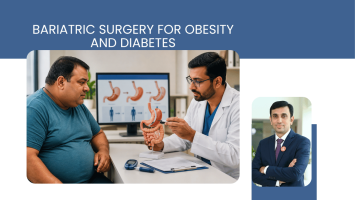
Bariatric Surgery for Obesity and Diabetes

Obesity is a complex metabolic condition that, when associated with type 2 diabetes, hypertension, or sleep apnoea, often requires more than lifestyle modification alone to achieve meaningful and sustained improvement. Dr. Niranjan P, Consultant Bariatric and Laparoscopic Surgeon at NiSH Clinic, Jayanagar, provides comprehensive evaluation and surgical management of obesity using sleeve gastrectomy, Roux-en-Y gastric bypass, and mini gastric bypass, with each procedure selected based on the patient's BMI, diabetes status, reflux history, and surgical risk. His approach combines pre-operative nutritional optimisation, surgical precision, and structured long-term follow-up to support durable weight loss and metabolic improvement.

Bariatric Surgery Patient Assessment and Eligibility Evaluation

Determining whether bariatric surgery is appropriate for an individual patient requires a structured multi-disciplinary assessment covering BMI, obesity-related co-morbidities, previous weight management history, psychological readiness, nutritional status, and surgical fitness. Dr Niranjan P provides thorough pre-bariatric surgery patient assessment at NiSH Clinic, Jayanagar, Bengaluru, evaluating each patient against Indian and international eligibility criteria, identifying and optimising modifiable surgical risk factors, and selecting the most appropriate procedure based on the individual's diabetes status, reflux history, BMI, and long-term health goals. His 8,000+ surgical cases and specific bariatric expertise ensure that every patient receives an evidence-based, personalised recommendation before any surgical decision is made. Written by Dr Niranjan P, MBBS (Rajiv Gandhi University of Health Sciences, Karnataka), DNB General Surgery (National Board of Examinations, New Delhi), Consultant General, GI, Laparoscopic, Robotic and Bariatric Surgeon, NiSH Clinic, 48, 7th B Main Rd, 4th Block, Jayanagar, Bengaluru 560011.

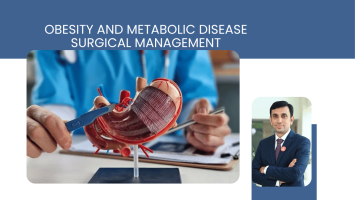
Obesity and Metabolic Disease Surgical Management

Obesity is a chronic metabolic condition associated with type 2 diabetes, hypertension, sleep apnoea, fatty liver disease, dyslipidaemia, and joint disease, all of which can be significantly improved or resolved through appropriate bariatric surgery when conservative management has been insufficient. Dr Niranjan P provides surgical management of obesity and its metabolic co-morbidities at NiSH Clinic, Jayanagar, Bengaluru, using laparoscopic sleeve gastrectomy, Roux-en-Y gastric bypass, and other evidence-based bariatric procedures selected based on each patient's specific metabolic profile, diabetes status, and surgical risk. His approach integrates pre-operative optimisation, the appropriate surgical procedure, and structured long-term post-operative follow-up including nutritional monitoring, to achieve durable weight loss and metabolic improvement.

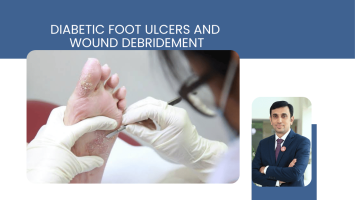
Diabetic Foot Ulcers and Wound Debridement: Why Surgical Assessment Cannot Wait

Diabetic foot ulcers arise from the convergence of two complications of diabetes that leave the foot uniquely vulnerable to injury and impaired healing: peripheral neuropathy, which removes the protective pain sensation that would normally alert a person to pressure, injury, or early infection, and peripheral arterial disease, which reduces the oxygenated blood flow that tissues need to repair themselves after injury. A blister from a tight shoe, a small cut, or a heel crack in a person with diabetes can progress to a deep infected ulcer involving subcutaneous tissue, tendon, or bone without the patient experiencing significant pain. By the time the wound is noticed, it has often already progressed beyond what dressings and antibiotics alone can address. Any diabetic foot wound that has not healed within two weeks requires surgical assessment. Dr. Niranjan P, DNB General Surgeon and Consultant General, GI, Laparoscopic, Robotic and Bariatric Surgeon at NiSH Clinic, 4th Block, Jayanagar, Bengaluru, assesses diabetic foot wounds with the clinical priority they warrant. Wound debridement, the surgical removal of all infected, necrotic, and non-viable tissue from the wound, is the central procedure in diabetic foot management. It is performed in the operating theatre under appropriate anaesthesia, allowing systematic assessment of the depth of tissue involvement, whether tendons or bone are affected, and the vascular status of the surrounding tissue. A microbiological swab taken at the time of debridement guides antibiotic selection. Where peripheral arterial disease is contributing to impaired healing, vascular surgery referral is arranged alongside or before debridement, because a clean wound will not heal in a foot that does not have adequate blood supply.

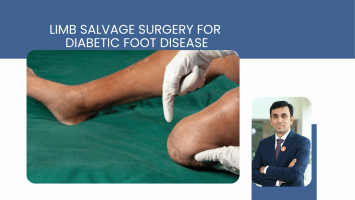
Limb Salvage Surgery for Diabetic Foot Disease: Why Timing Determines the Outcome

Limb salvage is the guiding surgical principle in diabetic foot management: to preserve as much functional foot and limb as possible while eliminating the infection and achieving durable wound healing. The distinction that determines a patient's long-term functional outcome is not simply whether surgery is needed, but whether surgery is performed early enough to allow a minor intervention rather than a major one. In diabetic foot disease, a minor amputation involves the removal of one or more toes or part of the forefoot, preserving the patient's ability to walk with a prosthetic support or adapted footwear, and carrying far less impact on mobility, quality of life, and cardiovascular outcomes than a major amputation. A below-knee or above-knee amputation, while sometimes necessary and life-saving when infection is uncontrollable or blood supply is inadequate to support healing, is avoided wherever possible because the consequences for the patient's independence and longevity are substantially greater. Dr. Niranjan P, Consultant General and Laparoscopic Surgeon at NiSH Clinic, 4th Block, Jayanagar, Bengaluru, has consistently observed that patients referred early, with a wound that has failed to heal after two weeks of appropriate wound care, have significantly better limb salvage outcomes than patients who arrive after weeks or months of conservative management during which the infection has extended into deeper structures. At that later stage, a wound that might have been managed with debridement and minor amputation may now require resection of larger amounts of tissue or a more proximal amputation to achieve clearance of infected bone and tissue. Early surgical review of a non-healing diabetic foot wound is not an escalation of care: it is the clinically correct response to a wound in a high-risk limb that has not shown evidence of healing within the expected timeframe.

Dr. Niranjan P's Expert Tips & Health Insights

Latest

Articles by Dr. Niranjan P

https://d2vvc091k8tmib.cloudfront.net/s3fs-public/2026-09/diabetic-foot-ulcer.png
https://d2vvc091k8tmib.cloudfront.net/s3fs-public/2026-04/Dr.%20Niranjan.webp
By: Dr. Niranjan P
03 September 2026

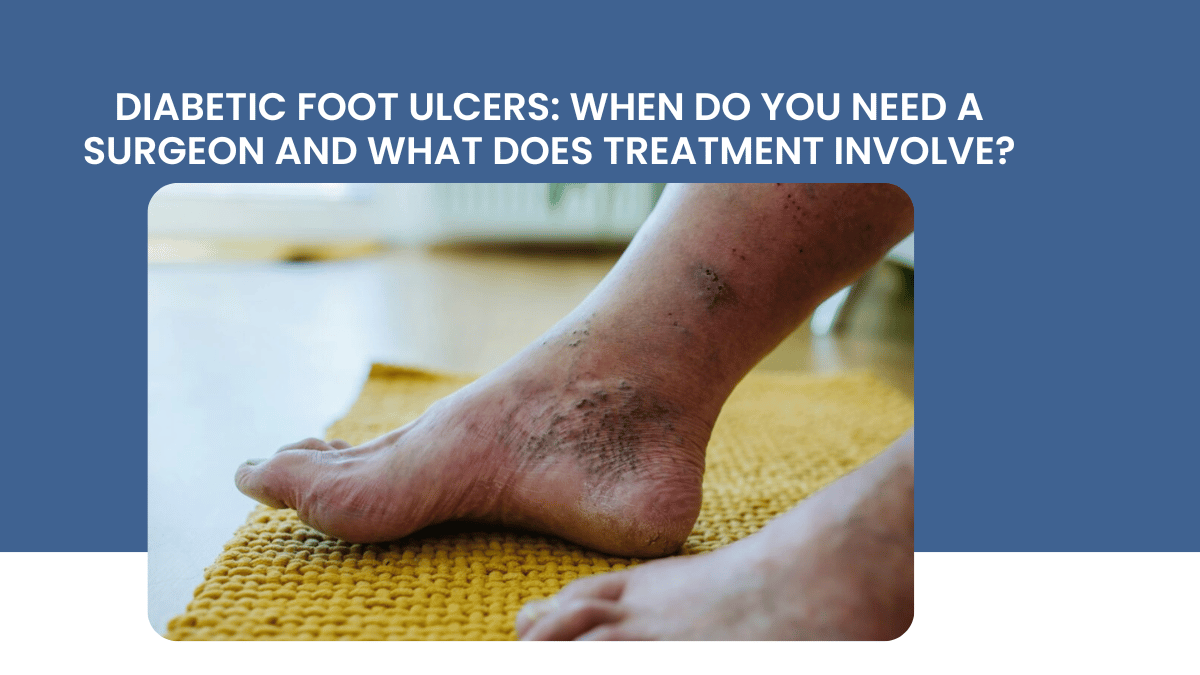
Diabetic Foot Ulcers: When Do You Need a Surgeon and What Does Treatment Involve?

A Consultant General and Laparoscopic Surgeon at NiSH Clinic, Jayanagar, Bengaluru explains when a diabetic foot ulcer needs surgical assessment, what wound debridement and limb salvage involve, and why delayed treatment risks amputation.
Read More
https://d2vvc091k8tmib.cloudfront.net/s3fs-public/2026-07/World%20Hepatitis%20Day%20What%20a%20GI%20Surgeon%20Sees%20When%20Hepatitis%20Goes%20Undetected.png
https://d2vvc091k8tmib.cloudfront.net/s3fs-public/2026-04/Dr.%20Niranjan.webp
By: Dr. Niranjan P
28 July 2026

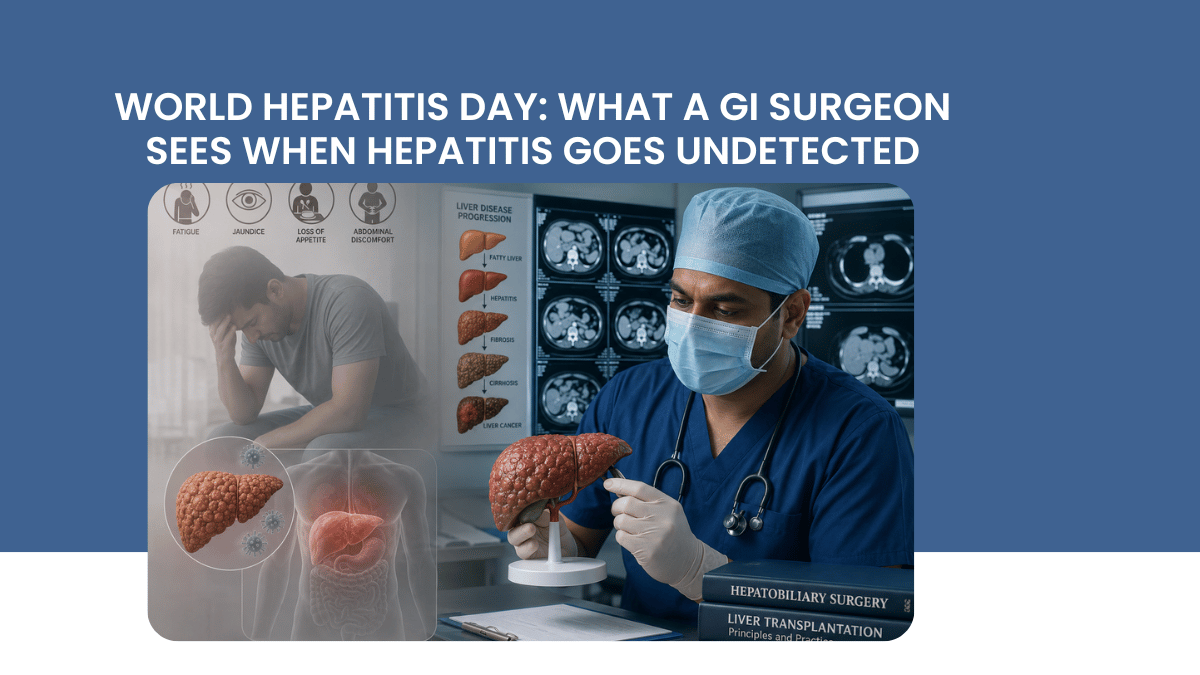
World Hepatitis Day: What a GI Surgeon Sees When Hepatitis Goes Undetected

A GI and GI Onco Surgeon explains the hepatitis-to-cirrhosis-to-liver-cancer progression, why hepatitis remains silent for years, and why early detection changes surgical outcomes
Read More
https://d2vvc091k8tmib.cloudfront.net/s3fs-public/2026-07/Am%20I%20a%20Candidate%20for%20Bariatric%20Surgery%20How%20to%20Know%20if%20Weight%20Loss%20Surgery%20Is%20Right%20for%20You.png
https://d2vvc091k8tmib.cloudfront.net/s3fs-public/2026-04/Dr.%20Niranjan.webp
By: Dr. Niranjan P
24 July 2026

Am I a Candidate for Bariatric Surgery? How to Know if Weight Loss Surgery Is Right for You

The most common question I hear from patients considering weight loss surgery is not about the procedure itself. It is this: am I a candidate? The answer depends on a structured clinical assessment, not a simple number on the scales.
Read More
https://d2vvc091k8tmib.cloudfront.net/s3fs-public/2026-06/niranjan-p.png
https://d2vvc091k8tmib.cloudfront.net/s3fs-public/2026-04/Dr.%20Niranjan.webp
By: Dr. Niranjan P
24 June 2026

Obesity, Diabetes, and Bariatric Surgery: A Complete Guide to Weight Loss Surgery in Bengaluru

Learn about bariatric surgery, types, eligibility, benefits, recovery, and diabetes improvement options. Expert bariatric care from Dr. Niranjan P in Bengaluru.
Read More
https://d2vvc091k8tmib.cloudfront.net/s3fs-public/2026-04/7_19.png
https://d2vvc091k8tmib.cloudfront.net/s3fs-public/2026-04/Dr.%20Niranjan.webp
By: Dr. Niranjan P
30 April 2026

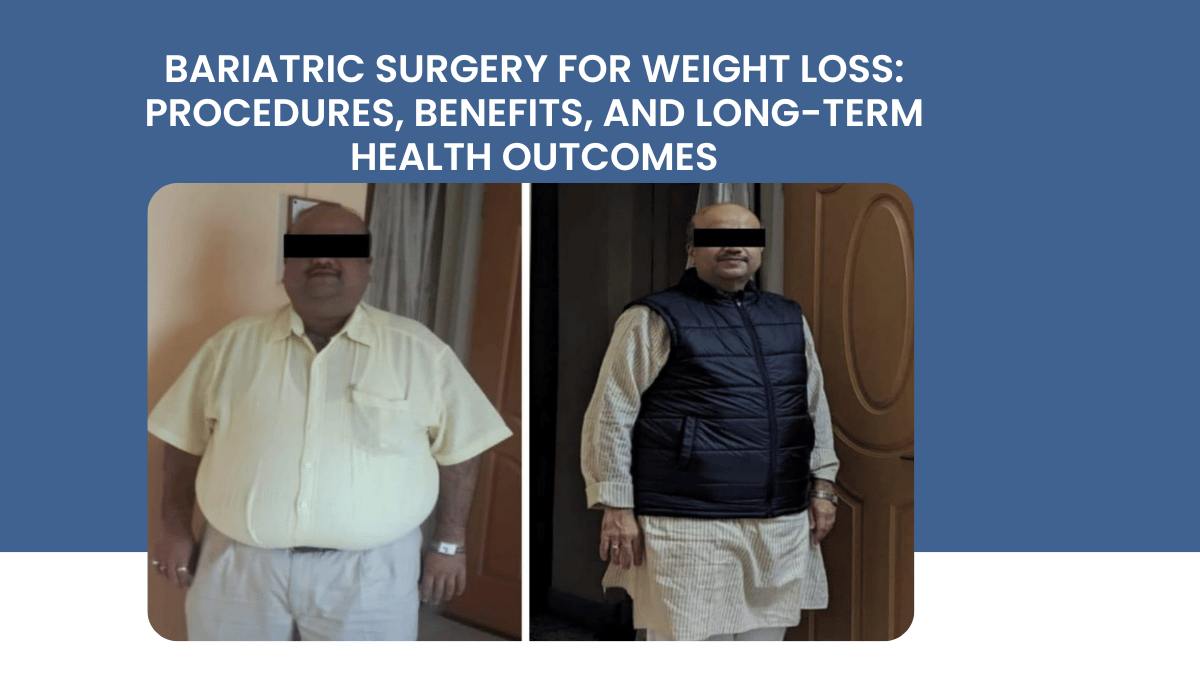
Bariatric Surgery for Weight Loss: Procedures, Benefits, and Long-Term Health Outcomes

Bariatric surgery has emerged as one of the most effective treatments for obesity and related metabolic disorders. With rising cases of obesity in India, weight loss surgery in Bengaluru is gaining popularity for its long-term health benefits.
Read More
https://d2vvc091k8tmib.cloudfront.net/s3fs-public/2026-05/hernia%20treatment_0.png
https://d2vvc091k8tmib.cloudfront.net/s3fs-public/2026-04/Dr.%20Niranjan.webp
By: Dr. Niranjan P
30 April 2026

Hernia Treatment Explained: Types, Symptoms, and Advanced Surgical Options

Learn about hernia types, symptoms, causes, and advanced surgical treatment options including laparoscopic repair. Dr. Niranjan P explains safe and effective hernia care.
Read More
https://d2vvc091k8tmib.cloudfront.net/s3fs-public/2026-04/9_19.png
https://d2vvc091k8tmib.cloudfront.net/s3fs-public/2026-04/Dr.%20Niranjan.webp
By: Dr. Niranjan P
30 April 2026

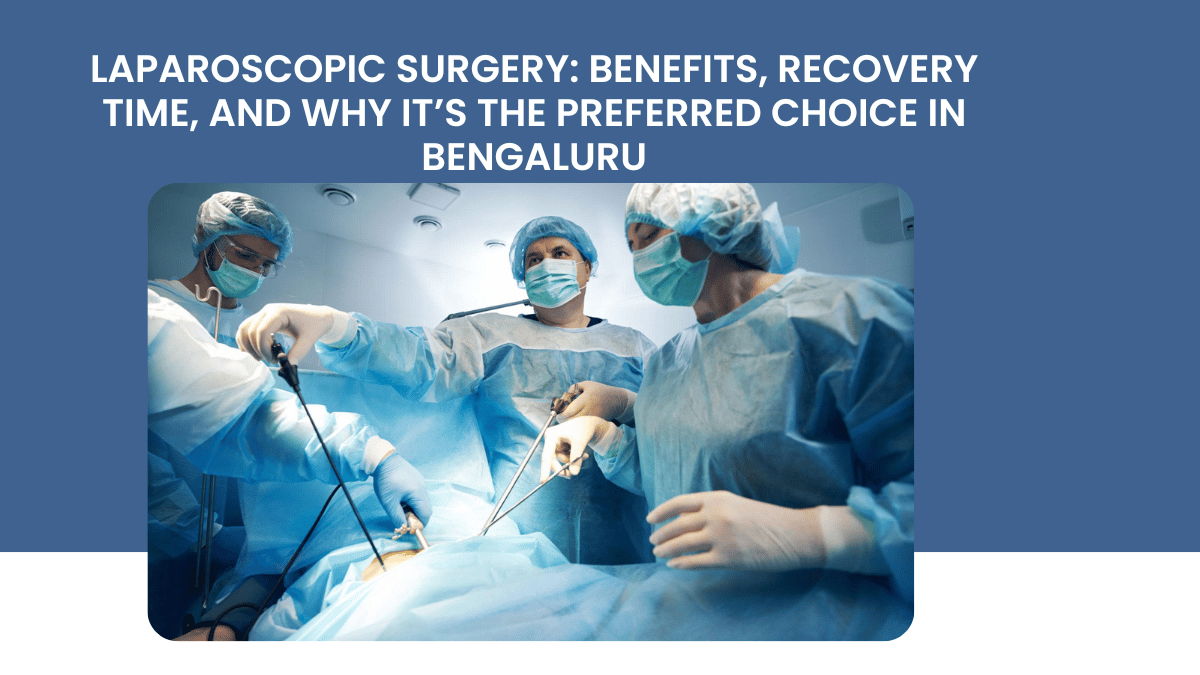
Laparoscopic Surgery: Benefits, Recovery Time, and Why It’s the Preferred Choice in Bengaluru

Discover the benefits of laparoscopic surgery, recovery time, and why minimally invasive procedures are preferred for faster healing and reduced pain. Dr. Niranjan P explains advanced surgical care.
Read More

Podcasts by Dr. Niranjan P

Frequently Asked Questions

Frequently Asked Questions

View all

What is limb salvage surgery and how is it different from amputation?

Limb salvage surgery is not a single procedure but a surgical philosophy: the commitment to preserving as much functional foot and limb as possible while achieving complete clearance of infection and durable wound healing. When I assess a diabetic foot wound, the question guiding every surgical decision is: what is the minimum intervention that will control the infection, achieve a clean wound margin, and give this wound a realistic chance of healing and not recurring? A minor amputation, the removal of one toe, two toes, or the forefoot distal to the metatarsal heads, falls within limb salvage. It removes the infected or non-viable tissue while preserving enough of the foot architecture for the patient to walk, often with a well-fitted shoe or a simple insole to redistribute pressure away from the wound area. The difference between a minor amputation that preserves walking ability and a below-knee amputation that requires a prosthetic leg is, in most cases, a matter of when the patient was referred for surgical assessment. A wound managed conservatively for six to eight weeks during which infection has tracked into the bones of the midfoot or into the deep spaces of the plantar surface has very different surgical options available than the same wound seen at two weeks. Limb salvage is not always possible: when blood supply is critically inadequate, when osteomyelitis involves the entire hindfoot, or when spreading infection is threatening the patient's life, a more proximal amputation is the right decision and can be a life-saving one. But the consistent finding in diabetic foot surgery is that early referral expands the options available, and late referral narrows them.

Related reading: 

Diabetic Foot Ulcers: When Do You Need a Surgeon and What Does Treatment Involve?
Laparoscopic Surgery: Benefits, Recovery Time, and Why It’s the Preferred Choice in Bengaluru
World Hepatitis Day: What a GI Surgeon Sees When Hepatitis Goes Undetected


Written by Dr. Niranjan P, MBBS, DNB General Surgery, Consultant General, GI, Laparoscopic, Robotic and Bariatric Surgeon, NiSH Clinic, 4th Block, Jayanagar, Bengaluru 560011. Phone: +91 9731174360. Show less

What happens during wound debridement and will it be painful?

Wound debridement for a diabetic foot ulcer is performed in the operating theatre under anaesthesia, either spinal or general depending on your overall health and the extent of the procedure required, so the debridement itself is not painful. The purpose of debridement is to remove all infected, necrotic (dead), and non-viable tissue from the wound, creating a clean wound base in which healing can occur and in which the antibiotics you receive can reach the target tissue. In an infected diabetic foot wound, the antibiotic penetrates poorly into the necrotic and poorly vascularised tissue at the wound base, which is one of the reasons antibiotics alone are frequently insufficient: the bacteria are sheltered in tissue that the antibiotic cannot reach adequately. By removing that tissue, debridement exposes viable, vascularised tissue that heals more effectively and that antibiotics can reach. During the procedure, I assess the wound systematically: how deep is the infection, are tendons involved, has infection tracked along tissue planes into the arch of the foot or the ankle, and is the bone involved (osteomyelitis). A swab is taken for microbiology to identify the specific bacteria and their antibiotic sensitivities. After debridement, the wound is dressed and monitored, and in some cases further debridement sessions are needed as the wound declares its boundaries over subsequent days. The procedure is not a one-time intervention that immediately resolves everything; it is the beginning of a wound management process that requires follow-up and sometimes further surgical sessions until the wound base is clean and healing.

Related reading: 

Diabetic Foot Ulcers: When Do You Need a Surgeon and What Does Treatment Involve?
Laparoscopic Surgery: Benefits, Recovery Time, and Why It’s the Preferred Choice in Bengaluru
World Hepatitis Day: What a GI Surgeon Sees When Hepatitis Goes Undetected
Written by Dr. Niranjan P, MBBS, DNB General Surgery, Consultant General, GI, Laparoscopic, Robotic and Bariatric Surgeon, NiSH Clinic, 4th Block, Jayanagar, Bengaluru 560011. Phone: +91 9731174360.

How do I know if my diabetic foot wound needs a surgeon rather than a dressing?

The most important clinical threshold I ask every patient with diabetes to hold in their mind is two weeks. A diabetic foot wound that has not shown clear evidence of healing, meaning the wound is reducing in size, the surrounding redness is settling, and any discharge is reducing, within two weeks of appropriate wound care, needs surgical assessment. Not another week of dressings. Not a different dressing product. Surgical assessment. This threshold exists because diabetic foot wounds do not follow the same healing trajectory as wounds in a non-diabetic foot. Poor circulation means the wound base is not receiving the oxygen and nutrients that healing tissue requires. Nerve damage means you cannot rely on the symptom of pain to tell you whether the wound is improving or worsening. Beyond the two-week threshold, the specific signs that require urgent, same-day surgical assessment are: increasing redness, warmth, or swelling spreading away from the wound edge, indicating cellulitis; discharge that is cloudy, coloured, or has a foul odour; a wound that is visibly deep or in which you can see structures within the wound; fever or feeling generally unwell alongside the foot problem; or a wound that has recurred at the same location as a previous ulcer, which suggests an underlying structural or circulatory problem that has not been addressed.

At NiSH Clinic, 4th Block, Jayanagar, Bengaluru, I assess diabetic foot wounds with the same urgency as any other potentially limb-threatening surgical condition, and I would rather see a wound that turns out to be healing well than have a patient wait too long with one that is not.
Written by
Dr. Niranjan P, MBBS, DNB General Surgery, Consultant General, GI, Laparoscopic, Robotic and Bariatric Surgeon, NiSH Clinic, 4th Block, Jayanagar, Bengaluru 560011. Phone: +91 9731174360.

Who is not suitable for bariatric surgery?

Link copied to clipboard!

Reach Dr. Niranjan P

NiSH Clinic

48, 7th B Main Rd, near Vinayaka temple, 4th Block, Jayanagar, Bengaluru, Karnataka 560011