
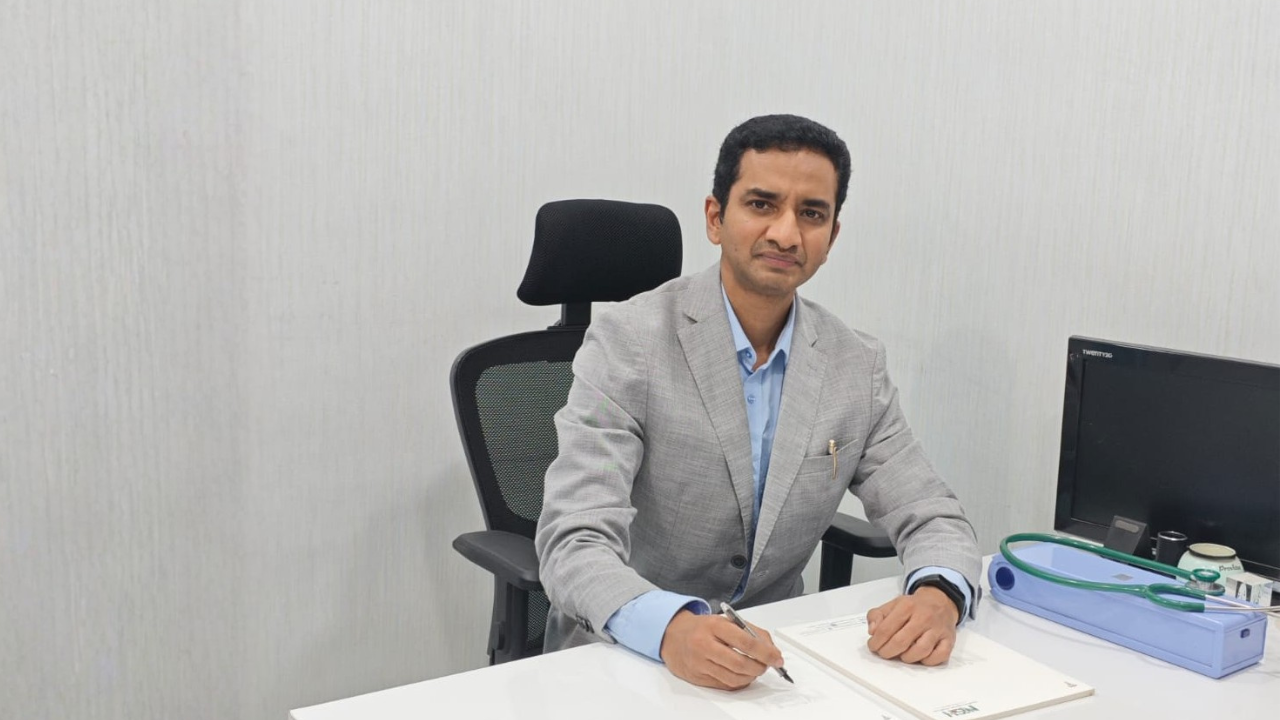





Dr. Swaroop Revannasiddaiah

Dr. Swaroop Revannasiddaiah

Senior Consultant - Medical Oncology

MBBS, MD (Radiotherapy & Clinical Oncology), DM (Medical Oncology), MRCP (Medical Oncology), ESMO Certified

12+ Years of Excellence

15,000+ Patients cared

12+ Years of Excellence

15,000+ Patients cared

LinQ Card

About Dr. Swaroop Revannasiddaiah

Dr. Swaroop Revannasiddaiah is a highly accomplished medical oncologist with more than 12 years of experience in diagnosing and managing a wide range of cancers. He completed his MBBS followed by MD in Radiotherapy and Clinical Oncology, and further advanced his expertise with a DM in Medical Oncology and MRCP in Medical Oncology. With strong academic training and international oncology certifications, Dr. Swaroop Revannasiddaiah has built a reputation for providing comprehensive cancer care. Over the years, he has been actively involved in clinical research, academic teaching, and the advancement of oncology practices. His work has contributed to several internationally recognized medical publications and research discussions in the field of oncology. Dr. Swaroop Revannasiddaiah is committed to staying updated with modern developments in cancer treatment and continues to contribute to improving cancer care through research, education, and evidence-based clinical practice for better patient outcomes.


https://d2vvc091k8tmib.cloudfront.net/s3fs-public/2026-05/Dr.%20Swaroop.png

Dr. Swaroop Revannasiddaiah specializes in advanced medical oncology treatments including chemotherapy, immunotherapy, targeted therapy, and precision oncology. He has extensive experience in developing personalized cancer treatment plans based on the specific characteristics of each patient’s condition. His clinical expertise includes the management of various malignancies, particularly thoracic cancers and complex systemic cancers that require multidisciplinary care. Dr. Swaroop Revannasiddaiah also has experience in modern radiation oncology techniques and advanced systemic therapies that improve treatment effectiveness while minimizing side effects. By combining the latest scientific evidence with individualized treatment strategies, he focuses on delivering patient-centered cancer care. His approach emphasizes accurate diagnosis, advanced therapeutic interventions, and compassionate support for patients and their families throughout the cancer treatment journey. Through his specialized expertise and commitment to innovation, Dr. Swaroop Revannasiddaiah continues to play an important role in modern oncology practice.


Dr. Swaroop Revannasiddaiah's Areas of expertise

  • Medical Oncology & Systemic Cancer Therapy – Expertise in administering chemotherapy, targeted therapy, immunotherapy, and personalized cancer treatments.
  • Thoracic Oncology – Specialized management of lung cancers including advanced NSCLC and targeted therapy guided treatment.
  • Radiation Oncology Techniques – Experienced in modern radiation modalities such as IMRT, IGRT, SBRT and image-guided brachytherapy.
  • Precision & Targeted Oncology – Utilizes molecular profiling and genetic insights to design individualized cancer treatment strategies.
  • Immunotherapy in Cancer Treatment – Advanced use of immune checkpoint inhibitors and novel immunotherapeutic protocols.
  • Advanced Chemotherapy Protocols – Extensive experience in conventional, metronomic, and combination chemotherapy regimens.
  • Multidisciplinary Cancer Care – Collaborative approach with surgical, radiation and medical oncology teams for comprehensive treatment planning.
  • Clinical Research & Oncology Trials - Active involvement in oncology research, evidence-based practice and clinical trials to advance cancer treatment.


Awards:
  • Young Oncologist of the Year Award (2020) – ISMPO-TYSA
  • Recognized Subject Expert in Oncology (2017) – ICCREEE
  • International certification and recognition in oncology research and clinical excellence.
Selected Publications:
  • Revannasiddaiah S. Osimertinib in EGFR-Mutated Advanced NSCLC. New England Journal of Medicine, 2020.
  • Revannasiddaiah S. Clinical interpretation of KEYNOTE-048 findings. The Lancet, 2020.
  • Revannasiddaiah S. Chemically Enhanced Radiotherapy – Future Perspectives.
  • DM – Medical Oncology, Rajiv Gandhi University of Health Sciences (RGUHS), India – 2021
  • MRCP – Medical Oncology, Royal College of Physicians, United Kingdom – 2017
  • MD – Radiotherapy & Clinical Oncology, Regional Cancer Centre, Shimla (Himachal Pradesh University 2012).
  • MBBS - Bangalore Medical College, Rajiv Gandhi University of Health Sciences (2007).
  • Executive MBA, University of Nicosia, Cyprus – 2020
  • Thoracic Oncology Certification, University of Michigan, USA – 2017
  • ESMO Certification (European Society for Medical Oncology) – 2016


Conditions and Treatments

Lung Cancer (NSCLC & SCLC)

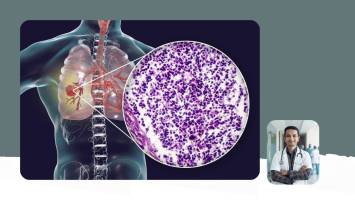
Lung cancer requires specialized diagnosis and advanced treatment planning to achieve the best outcomes. Dr. Swaroop Revannasiddaiah has extensive experience in treating both non-small cell and small cell lung cancers using modern oncology therapies. Through chemotherapy, targeted therapy, immunotherapy, and precision oncology, Dr. Swaroop Revannasiddaiah provides comprehensive and personalized cancer care for lung cancer patients.

Breast Cancer
Breast Cancer

Breast cancer management involves a multidisciplinary approach combining systemic therapies and personalized treatment plans. Dr. Swaroop Revannasiddaiah specializes in the treatment of breast cancer using chemotherapy, hormonal therapy, and targeted therapies based on tumor biology. With a patient-centered approach, Dr. Swaroop Revannasiddaiah focuses on improving treatment outcomes and long-term survival for breast cancer patients.

Head and Neck Cancers

Head and neck cancers often require coordinated treatment involving multiple specialties. Dr. Swaroop Revannasiddaiah provides advanced medical oncology care using chemotherapy, radiation therapy, and immunotherapy. By developing individualized treatment strategies, Dr. Swaroop Revannasiddaiah helps patients achieve effective disease control and improved quality of life.

Gastrointestinal Cancers

Gastrointestinal cancers include malignancies affecting the stomach, colon, pancreas, and liver. Dr. Swaroop Revannasiddaiah has expertise in managing these cancers using advanced systemic therapies and evidence-based treatment protocols. Through careful evaluation and modern oncology treatments, Dr. Swaroop Revannasiddaiah aims to provide comprehensive cancer care for gastrointestinal malignancies.

Genitourinary Cancers

Genitourinary cancers affect organs such as the prostate, bladder, and kidneys and often require specialized medical oncology care. Dr. Swaroop Revannasiddaiah provides personalized treatment plans using modern chemotherapy, immunotherapy, and targeted therapies. With a focus on evidence-based medicine, Dr. Swaroop Revannasiddaiah ensures effective management and supportive care for patients with these cancers.

Oligometastatic Cancer

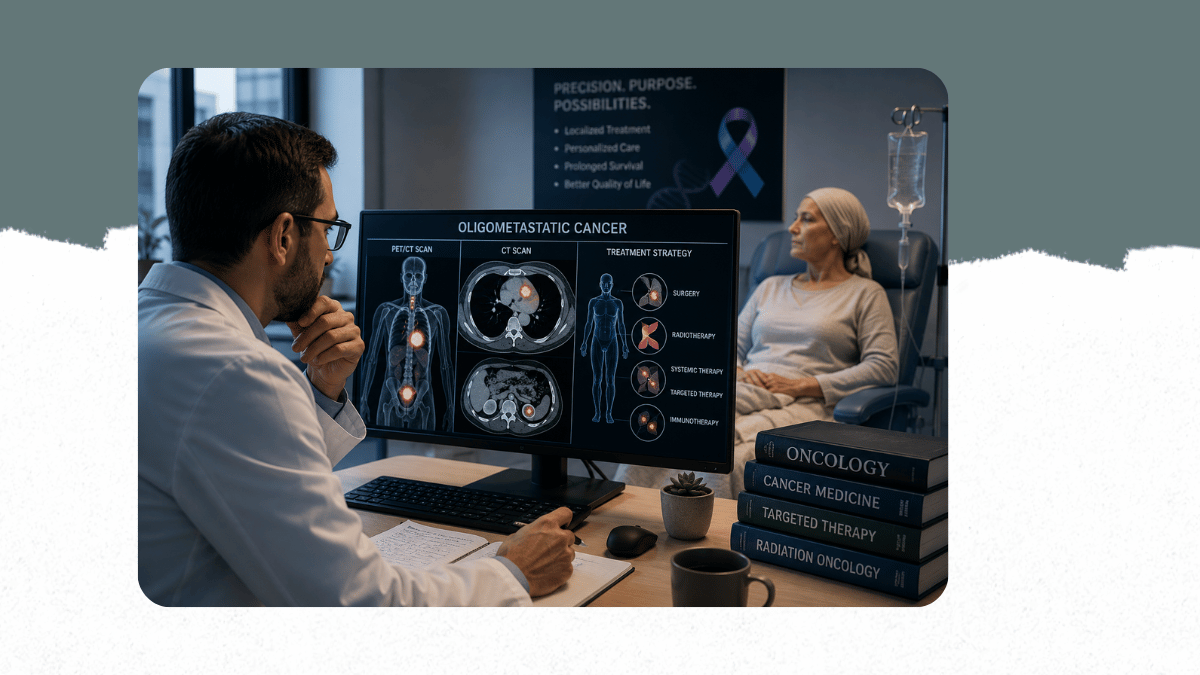
Oligometastatic cancer represents a biologically distinct state where cancer has spread to only a limited number of distant sites and may still be amenable to treatment with curative or long-term disease-control intent. Dr. Swaroop Revannasiddaiah specialises in evaluating and managing oligometastatic disease using a combination of systemic therapy and targeted local treatment including SABR, tailored to the specific tumour type, number of metastases, and pace of spread. His approach focuses on identifying which patients with Stage IV cancer can benefit from this aggressive combined strategy and guiding them through a structured, evidence-based treatment pathway.

Oligometastatic Breast Cancer - Diagnosis and Combined Modality Treatment

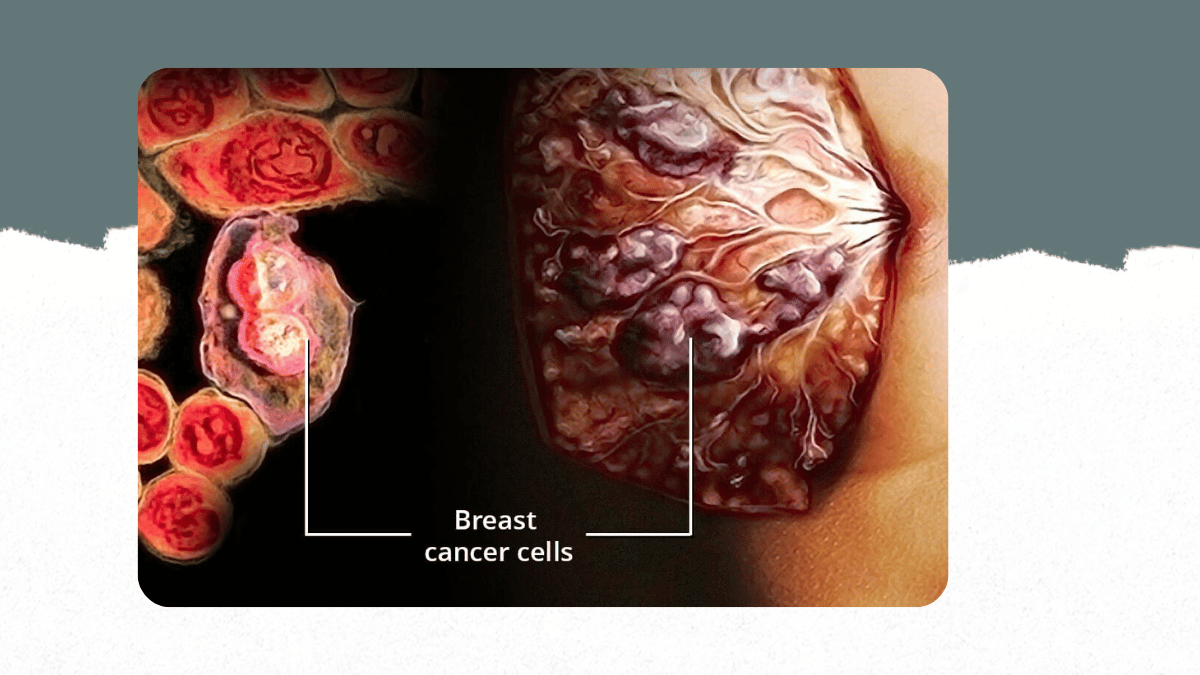
Oligometastatic breast cancer is Stage IV disease with one to five distant metastatic sites where aggressive combined modality treatment can produce outcomes significantly better than systemic therapy alone. The OLIGOMA trial (ESTRO 2026) demonstrated that adding SABR to standard systemic therapy nearly doubles median progression-free survival. Dr Swaroop Revannasiddaiah provides evaluation and treatment planning for oligometastatic breast cancer at NiSH Clinic, Jayanagar, Bengaluru, integrating CDK4/6 inhibitors, antibody-drug conjugates, and hormone therapy alongside SABR directed at every visible metastatic site, with multidisciplinary tumour board review and management of oligoprogression events to preserve effective systemic therapy. Written by Dr Swaroop Revannasiddaiah, MBBS (Bangalore Medical College, RGUHS), MD Radiotherapy and Clinical Oncology (Regional Cancer Centre, Shimla, Himachal Pradesh University), DM Medical Oncology (RGUHS, 2021), MRCP Medical Oncology (Royal College of Physicians, UK, 2017), ESMO Certified (2016), Thoracic Oncology Certification (University of Michigan, USA, 2017), Senior Consultant Medical Oncologist, NiSH Clinic, 48, 7th B Main Road, near Vinayaka Temple, 4th Block, Jayanagar, Bengaluru 560011. Phone: +91 9731174360.

SABR (Stereotactic Ablative Body Radiotherapy) for Breast Cancer Metastases

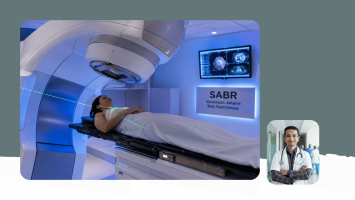
SABR is a precise outpatient radiation technique delivering ablative doses to metastatic tumours in one to five sessions, using sub-millimetre targeting with real-time image guidance to spare surrounding healthy tissue. In oligometastatic breast cancer, SABR eradicates visible metastatic sites while systemic therapy continues to control microscopic disease. Dr Swaroop Revannasiddaiah coordinates SABR for breast cancer metastases at NiSH Clinic, Jayanagar, Bengaluru, in conjunction with the radiation oncology team. His role encompasses patient selection, systemic therapy optimisation around the SABR course, management of oligoprogression events using SABR to preserve targeted therapy as supported by the AVATAR study, and long-term oncological follow-up with adaptive imaging surveillance.

Oligometastatic Lung Cancer Treatment (SBRT/SABR)

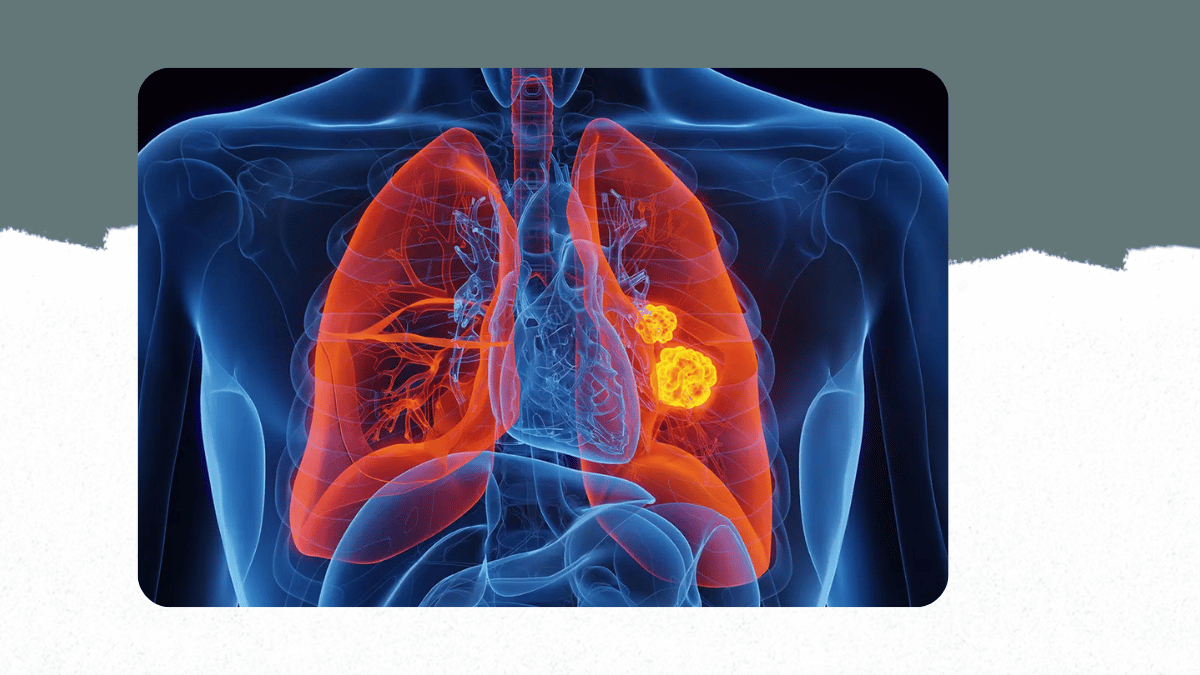
Oligometastatic lung cancer, defined as non-small cell lung cancer that has spread to a maximum of five distant sites in up to three organs, represents an intermediate disease state where curative-intent local treatment using SBRT (Stereotactic Body Radiotherapy) combined with systemic therapy can produce outcomes previously considered impossible in Stage IV disease. The fundamental principle is that cancer biology, not just staging, determines who benefits: molecular profiling, PET imaging, and tumour board assessment identify the patients whose disease pattern and molecular drivers make them candidates for this aggressive approach. Dr. Swaroop Revannasiddaiah, DM Medical Oncologist with ESMO Certification and Thoracic Oncology Certification from the University of Michigan, leads individualised oligometastatic lung cancer evaluation and treatment at NiSH Clinic, Jayanagar, Bengaluru, coordinating systemic and local therapy in a multidisciplinary framework aimed at maximising the window of disease-free survival.

Targeted Therapy and SBRT for EGFR and ALK Lung Cancer Oligoprogression

In EGFR-mutated and ALK-rearranged non-small cell lung cancer, targeted tyrosine kinase inhibitors such as osimertinib and alectinib can produce deep, durable responses, but resistance typically emerges at one or two sites before it is systemic. This pattern, called oligoprogression, creates a clinical opportunity: rather than switching the entire systemic regimen when one site breaks through, SBRT can be used to ablate the single progressing lesion while the patient remains on the TKI that continues to control disease everywhere else, extending the effective life of the targeted therapy by months to years. Dr. Swaroop Revannasiddaiah, Senior Consultant Medical Oncologist at NiSH Clinic, Jayanagar, Bengaluru, evaluates EGFR and ALK lung cancer patients for oligoprogression at each restaging scan and coordinates SBRT at the site of breakthrough with continuation of the existing targeted therapy as a combined, precision-oncology approach.

Dr. Swaroop Revannasiddaiah's Expert Tips & Health Insights

Latest

Articles by Dr. Swaroop Revannasiddaiah

https://d2vvc091k8tmib.cloudfront.net/s3fs-public/2026-08/Curing%20Metastatic%20Cancer%20in%20the%20Modern%20Era.png
https://d2vvc091k8tmib.cloudfront.net/s3fs-public/2026-07/Dr.%20Swaroop%20Revannasiddaiah.jpg
By: Dr. Swaroop Revannasiddaiah
26 August 2026

Curing Metastatic Cancer in the Modern Era: The Scenario Named Oligometastatic Lung Cancer

A Medical Oncologist explains oligometastatic lung cancer in 2026: how precision molecular profiling identifies candidates for curative-intent SBRT, why adding radiation to immunotherapy is not always beneficial (NRG-LU002 findings), and how EGFR and ALK mutations guide the surgical and radiation approach.
Read More
https://d2vvc091k8tmib.cloudfront.net/s3fs-public/2026-07/Curing%20Metastatic%20Cancer%20in%20the%20Modern%20Era%20The%20Phenomenon%20Named%20Oligometastatic%20Breast%20Cancer%20%281%29.png
https://d2vvc091k8tmib.cloudfront.net/s3fs-public/2026-07/Dr.%20Swaroop%20Revannasiddaiah.jpg
By: Dr. Swaroop Revannasiddaiah
21 July 2026

Curing Metastatic Cancer in the Modern Era: The Phenomenon Named Oligometastatic Breast Cancer

How oligometastatic breast cancer is now treated with SABR, CDK4/6 inhibitors, and ADCs — a 2026 medical oncologist's guide to functional cure in Stage IV breast cancer.
Read More
https://d2vvc091k8tmib.cloudfront.net/s3fs-public/2026-07/Curing%20Metastatic%20Cancer%20in%20the%20Modern%20Era_%20The%20Enigma%20Named%20Oligometastatic%20Cancer.png
https://d2vvc091k8tmib.cloudfront.net/s3fs-public/2026-07/Dr.%20Swaroop%20Revannasiddaiah.jpg
By: Dr. Swaroop Revannasiddaiah
19 June 2026

Curing Metastatic Cancer in the Modern Era: The Enigma Named Oligometastatic Cancer

Discover how oligometastatic cancer differs from traditional Stage IV disease and how SABR, immunotherapy, and targeted treatments are improving outcomes for selected patients.
Read More
https://d2vvc091k8tmib.cloudfront.net/s3fs-public/2026-07/Personalized%20Cancer%20Treatment.png
https://d2vvc091k8tmib.cloudfront.net/s3fs-public/2026-07/Dr.%20Swaroop%20Revannasiddaiah.jpg
By: Dr. Swaroop Revannasiddaiah
17 March 2026

Personalized Cancer Treatment: How Precision Oncology is Changing Cancer Care

Learn how personalized cancer treatment and precision oncology are transforming cancer care with targeted therapies and advanced treatment approaches. Dr. Swaroop R explains modern oncology care.
Read More
https://d2vvc091k8tmib.cloudfront.net/s3fs-public/2026-07/Targeted%20Therapy%20and%20Immunotherapy%20in%20Cancer%20Treatment.png
https://d2vvc091k8tmib.cloudfront.net/s3fs-public/2026-07/Dr.%20Swaroop%20Revannasiddaiah.jpg
By: Dr. Swaroop Revannasiddaiah
17 March 2026

Targeted Therapy and Immunotherapy in Cancer Treatment: Modern Advances in Oncology

Explore targeted therapy and immunotherapy in cancer treatment, including benefits, advanced oncology care, and personalized treatment approaches by Dr. Swaroop R.
Read More
https://d2vvc091k8tmib.cloudfront.net/s3fs-public/2026-07/Early%20Signs%20of%20Lung%20Cancer.png
https://d2vvc091k8tmib.cloudfront.net/s3fs-public/2026-07/Dr.%20Swaroop%20Revannasiddaiah.jpg
By: Dr. Swaroop Revannasiddaiah
17 March 2026

Early Signs of Lung Cancer: When Should You See an Oncologist?

Learn the early signs and symptoms of lung cancer, when to see an oncologist, and the importance of early diagnosis for effective cancer treatment and better outcomes.
Read More

Podcasts by Dr. Swaroop Revannasiddaiah

Dr. Swaroop Revannasiddaiah's Patient Testimonial Reviews

Leave a Review

Patient Reviews

Dr. Swaroop Revannasiddaiah

Leave a Review

Frequently Asked Questions

Frequently Asked Questions

View all

Can Stage IV lung cancer be cured in 2026?

As an oncologist, I am trained to be extremely careful with the word cure in Stage IV disease, because false hope is one of the cruelest things I could offer a patient and their family. But I am also committed to accuracy, and accuracy in 2026 requires me to say that the answer is: for selected patients with oligometastatic lung cancer, yes. The caveat is the word selected. Not every patient with Stage IV lung cancer is a candidate for curative-intent treatment. Widely disseminated disease, multiple organ involvement, or aggressive tumour biology that does not respond to systemic therapy does not fit the oligometastatic framework. But consider the patient with an EGFR mutation, two bone metastases, and a primary lung tumour who comes to NiSH Clinic, Jayanagar. We start targeted therapy with osimertinib. Their scans at three months show near-complete response: the lung tumour has shrunk dramatically, the bone metastases have resolved on imaging. We use SBRT to ablate the original sites of disease that are now showing complete response. The patient continues on osimertinib. At five years, their scans remain clear. They are back at work. Their children have grown up watching them live a normal life. That is a functional cure, and it is not a theoretical scenario: it is the lived experience of patients I have treated. What we can say with confidence in 2026 is that oligometastatic lung cancer, treated with the right combination of molecular-guided systemic therapy and precisely targeted radiation at NiSH Clinic, Bengaluru, has moved from a uniformly fatal diagnosis to a condition that a meaningful proportion of patients can live through and beyond.

Written by Dr. Swaroop Revannasiddaiah, MBBS, MD (Radiotherapy and Clinical Oncology), DM (Medical Oncology), MRCP (Medical Oncology, Royal College of Physicians, UK), ESMO Certified, Thoracic Oncology Certification (University of Michigan, USA), Senior Consultant Medical Oncologist, NiSH Clinic, 48, 7th B Main Road, near Vinayaka Temple, 4th Block, Jayanagar, Bengaluru, Karnataka 560011. Phone: +91 9731174360. Clinic: Monday to Thursday, 3:00 PM to 4:00 PM.

Related reading
Curing Metastatic Cancer in the Modern Era: The Scenario Named Oligometastatic Lung Cancer
Curing Metastatic Cancer in the Modern Era: The Enigma Named Oligometastatic Cancer

What did the NRG-LU002 trial teach us about treating oligometastatic lung cancer?

The NRG-LU002 trial was one of the most eagerly anticipated clinical trials in thoracic oncology, and its results were simultaneously sobering and clarifying. The trial enrolled patients with oligometastatic non-small cell lung cancer who were responding well to modern immunotherapy regimens. Half the patients continued immunotherapy alone, and half received immunotherapy plus aggressive stereotactic body radiation to all their metastatic sites, what we call Local Consolidation Therapy or LCT. The expectation, based on earlier smaller trials, was that adding radiation to immunotherapy would extend survival for the radiation group. That is not what the data showed. Adding aggressive radiation to immunotherapy for all oligometastatic NSCLC patients did not significantly improve overall survival, and in some patients it increased the rate of severe side effects including pneumonitis, inflammation of the lung from radiation. What the NRG-LU002 trial taught us, and this is the lesson I apply every day in my clinic at NiSH Clinic, Jayanagar, Bengaluru, is that we cannot treat oligometastatic lung cancer as a single, uniform category where radiation to the metastatic sites is always the right answer. The biology of the individual tumour, specifically whether it carries a driver mutation like EGFR or ALK, whether it is demonstrating oligoprogression versus de novo oligometastatic presentation, and what systemic therapy is controlling the background disease, determines whether SBRT adds value. Precision oncology means treating the right patient with the right intervention at the right time, not applying an aggressive treatment to every patient who appears to meet a numerical threshold.

Written by Dr. Swaroop Revannasiddaiah, MBBS, MD (Radiotherapy and Clinical Oncology), DM (Medical Oncology), MRCP (Medical Oncology, Royal College of Physicians, UK), ESMO Certified, Thoracic Oncology Certification (University of Michigan, USA), Senior Consultant Medical Oncologist, NiSH Clinic, 48, 7th B Main Road, near Vinayaka Temple, 4th Block, Jayanagar, Bengaluru, Karnataka 560011. Phone: +91 9731174360. Clinic: Monday to Thursday, 3:00 PM to 4:00 PM.

What is oligoprogression in EGFR or ALK lung cancer and how does SBRT help?

EGFR mutations and ALK rearrangements are present in roughly 20 to 30 percent of non-small cell lung cancers, and they are the lung cancers that respond most spectacularly to oral targeted tyrosine kinase inhibitors. Osimertinib for EGFR-mutated disease and alectinib for ALK-rearranged disease can produce deep responses where scans show near-complete disappearance of measurable disease, and patients feel well, maintain quality of life, and live productively on a daily oral tablet. The problem is resistance. Cancer cells under the pressure of a targeted therapy eventually evolve mechanisms to escape it, and progression occurs. But this progression is often not uniform. In many patients, the targeted therapy continues to suppress 99 percent of the disease, but one spot in the liver, one bone metastasis, or one brain lesion finds a way around the drug and starts to grow. This is called oligoprogression, and it is a clinical situation that SBRT was made for. Instead of taking the patient off a well-tolerated, highly effective targeted therapy and replacing it with a new regimen that may be less effective and more toxic, I use SBRT to ablate the single site of progression while keeping the patient on the TKI that continues to control disease everywhere else. In this way, we are extending the effective life of a first-line or second-line targeted therapy by months or sometimes years. At NiSH Clinic, Jayanagar, Bengaluru, I assess every EGFR and ALK lung cancer patient for oligoprogression at each restaging scan, because identifying it early allows us to act on it with precision before systemic progression becomes widespread.

Written by Dr. Swaroop Revannasiddaiah, MBBS, MD (Radiotherapy and Clinical Oncology), DM (Medical Oncology), MRCP (Medical Oncology, Royal College of Physicians, UK), ESMO Certified, Thoracic Oncology Certification (University of Michigan, USA), Senior Consultant Medical Oncologist, NiSH Clinic, 48, 7th B Main Road, near Vinayaka Temple, 4th Block, Jayanagar, Bengaluru, Karnataka 560011. Phone: +91 9731174360. Clinic: Monday to Thursday, 3:00 PM to 4:00 PM.

What is oligometastatic lung cancer and how is it different from fully metastatic Stage IV disease?

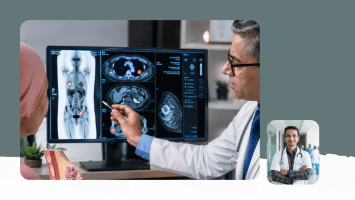
Oligometastatic lung cancer is a specific state of Stage IV non-small cell lung cancer in which the disease has spread beyond the lungs and nearby lymph nodes, but only to a limited number of distant sites, defined by the IASLC as a maximum of five distant metastatic spots in up to three organs. This sounds like a technical distinction, but it is a biologically meaningful one. Some lung cancers lack the genetic machinery to spread widely and efficiently. They escape the primary tumour and enter the bloodstream, but they can only establish themselves in one or two highly specific locations: a single adrenal gland nodule, two spots in the brain, a bone metastasis. Before the era of high-resolution molecular PET scanning, we could not identify these patients reliably, because the scans were not sensitive enough to confirm that the few visible spots truly represented all the disease rather than the visible tip of a widely disseminated iceberg. Today, molecular PET imaging can map disease distribution with a precision that changes the clinical decision. In my practice at NiSH Clinic, Jayanagar, Bengaluru, the distinction between oligometastatic and fully metastatic disease determines whether we treat with palliative intent (controlling disease and maintaining quality of life for as long as possible) or curative intent (using aggressive local therapy to eradicate all visible disease combined with systemic therapy to address the microscopic disease). That distinction matters enormously for the patient sitting across the desk from me. 

Written by Dr. Swaroop Revannasiddaiah, MBBS, MD (Radiotherapy and Clinical Oncology), DM (Medical Oncology), MRCP (Medical Oncology, Royal College of Physicians, UK), ESMO Certified, Thoracic Oncology Certification (University of Michigan, USA), Senior Consultant Medical Oncologist, NiSH Clinic, 48, 7th B Main Road, near Vinayaka Temple, 4th Block, Jayanagar, Bengaluru, Karnataka 560011. Phone: +91 9731174360. Clinic: Monday to Thursday, 3:00 PM to 4:00 PM. 
 

Can CDK4/6 inhibitors and antibody-drug conjugates be combined with SABR?

CDK4/6 inhibitors and antibody-drug conjugates can be combined with SABR. Systemic therapy controls microscopic disease throughout the body while SABR eradicates visible metastatic sites. CDK4/6 inhibitors are typically continued around the SABR course. The exact sequencing is determined by the multidisciplinary team based on the patient's disease, systemic therapy response, and the sites being treated. This coordinated two-pronged approach is the standard strategy for appropriately selected oligometastatic breast cancer patients.

Written by Dr Swaroop Revannasiddaiah, MBBS (Bangalore Medical College, RGUHS), MD Radiotherapy and Clinical Oncology (Regional Cancer Centre, Shimla, Himachal Pradesh University), DM Medical Oncology (RGUHS, 2021), MRCP Medical Oncology (Royal College of Physicians, UK, 2017), ESMO Certified (2016), Thoracic Oncology Certification (University of Michigan, USA, 2017), Senior Consultant Medical Oncologist, NiSH Clinic, 48, 7th B Main Road, near Vinayaka Temple, 4th Block, Jayanagar, Bengaluru 560011. Phone: +91 9731174360.

How many sessions does SABR take and what side effects should patients expect?

SABR delivers a high ablative dose to a metastatic tumour in one to five outpatient sessions, with no admission and no surgical recovery. Each session takes 30 to 90 minutes. Side effects are site-dependent and generally mild. Liver SABR may cause brief fatigue; lung SABR occasionally produces a transient local reaction. The OLIGOMA trial confirmed that adding SABR to systemic therapy caused no major detrimental effect on patients' quality of life.

Written by Dr Swaroop Revannasiddaiah, MBBS (Bangalore Medical College, RGUHS), MD Radiotherapy and Clinical Oncology (Regional Cancer Centre, Shimla, Himachal Pradesh University), DM Medical Oncology (RGUHS, 2021), MRCP Medical Oncology (Royal College of Physicians, UK, 2017), ESMO Certified (2016), Thoracic Oncology Certification (University of Michigan, USA, 2017), Senior Consultant Medical Oncologist, NiSH Clinic, 48, 7th B Main Road, near Vinayaka Temple, 4th Block, Jayanagar, Bengaluru 560011. Phone: +91 9731174360.

What is the difference between oligometastatic breast cancer and Stage IV breast cancer?

All oligometastatic breast cancer is Stage IV, but not all Stage IV breast cancer is oligometastatic. Oligometastatic disease is defined as cancer that has spread to a strictly limited number of distant sites, typically one to five lesions on imaging. This distinction matters clinically: in widespread Stage IV disease, treatment aims at control. In oligometastatic disease, aggressive local treatment alongside systemic therapy can eradicate all visible disease and, in selected patients, produce a functional cure.

Written by Dr Swaroop Revannasiddaiah, MBBS (Bangalore Medical College, RGUHS), MD Radiotherapy and Clinical Oncology (Regional Cancer Centre, Shimla, Himachal Pradesh University), DM Medical Oncology (RGUHS, 2021), MRCP Medical Oncology (Royal College of Physicians, UK, 2017), ESMO Certified (2016), Thoracic Oncology Certification (University of Michigan, USA, 2017), Senior Consultant Medical Oncologist, NiSH Clinic, 48, 7th B Main Road, near Vinayaka Temple, 4th Block, Jayanagar, Bengaluru 560011. Phone: +91 9731174360. 

Link copied to clipboard!

Reach Dr. Swaroop Revannasiddaiah

NiSH Clinic

48, 7th B Main Rd, near Vinayaka temple, 4th Block, Jayanagar, Bengaluru, Karnataka - 560011